
Contact
- Address:Sariyer Kirecburnu, Istanbul
- Hours:Every day 09:00 - 23:00
- Kitchen:Daily fresh fish and Turkish mezes
- View:Istanbul Bosphorus
Leyla ile Mecnun's Kireçburnu Scenes: A Bosphorus Fish Break
Some television locations fade from memory as soon as the credits roll. Others quietly become part of a city's geography. For a certain generation of Turkish viewers, the Leyla ile Mecnun'un Kireçburnu'nda geçen sahneleri — the series' scenes set along this stretch of the Bosphorus — belong to the second category. The show's absurd, tender, endlessly quotable humour is what people remember first, but the water is never far away in the background: a narrow shoreline, houses stacked against the hill, ferries sliding past.
That is why a small number of visitors now arrive in Kireçburnu with two purposes at once. They want to see the corner of the Bosphorus that appeared on screen, and they want to sit down afterwards and eat properly. This guide is about doing both in the right order, and about why a fish break fits this particular neighbourhood better than almost any other plan.
Why Kireçburnu Suits a Series-Inspired Walk
Kireçburnu is a compact neighbourhood on the European shore of the Bosphorus, part of Sarıyer district, tucked between Tarabya and Büyükdere. It is not a district built for tourism. There is a small cove, a waterfront road, a handful of tea gardens and houses that look as though they have been watching the strait for a long time.
That modesty is exactly what makes it work as a filming location and as a place to spend an afternoon. When a series uses a location like this, it rarely does so for spectacle. It uses it because a character can stand at the railing and look at the water without anything competing for attention. Visitors who come looking for that atmosphere tend to find it quickly — and then realise they have nowhere urgent to go.
Practical consequence: this is a half-day destination, not a checklist. Come for the shoreline, stay for the meal.
Retracing the Scenes Without Chasing Exact Frames
A useful piece of advice before anything else: do not arrive expecting to match shots frame by frame. Locations change, camera angles flatter, and a scene that took a crew hours to set up can look entirely ordinary from pavement level.
What holds up is the setting itself:
- The shoreline road, where the Bosphorus is close enough to hear rather than merely see.
- The small cove, a rare pocket of calm on a strait that is otherwise constantly in motion.
- The hillside streets behind the waterfront, where the neighbourhood's older wooden houses give the area its texture.
- The view across the water, where the opposite shore and the current both make the strait feel much wider than the map suggests.
Walking these streets with the series in mind is less about recognition and more about understanding why a director would choose this place. Once you have stood there, the choice explains itself.
The Case for Ending the Walk with Fish
The Bosphorus has always been read through its kitchen. For Istanbul residents, a view of the water and a table of seafood are not two separate pleasures; they belong to the same afternoon. That instinct is worth following here.
After an hour or two on the waterfront, the neighbourhood's geography starts to matter in a practical way. Sarıyer is a seafood district in the everyday sense — the fish markets, the boats, the long-established restaurants along the shore all reflect a local habit of eating from the strait rather than merely looking at it. A fish break is not a tourist add-on in this part of the city; it is what people do on a Sunday.
Why Tarihi Ali Baba Balık Lokantası Belongs to This Route
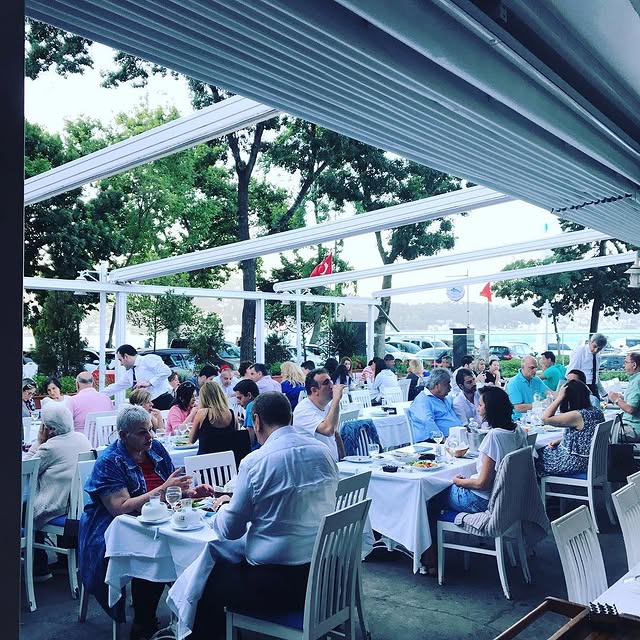
Tarihi Ali Baba Balık Lokantası sits in Kireçburnu itself, which makes it a natural stopping point rather than a detour. Its history reaches back to 1920 — a span that places the restaurant within the neighbourhood's longer story rather than at its edges.
For visitors following a series-themed route, that continuity matters more than any single dish. A table by the Bosphorus, in a place that has been serving seafood across generations, keeps the day coherent: you walked through a location, and then you ate in the same location rather than driving somewhere else.
It is also worth saying plainly what this restaurant is not claimed to be. There is no single "best" fish restaurant in Istanbul, and any list that pretends otherwise is answering a different question. What you can reasonably evaluate is fit: does the location suit your route, does the setting match the mood you came for, and does the kitchen work with what the season offers? On those criteria, Ali Baba is a sensible choice for a Kireçburnu afternoon.
What a Bosphorus Fish Table Usually Looks Like
If you are new to Turkish seafood dining, the sequence is simple and worth knowing before you sit down.
Start with meze, not with the main course
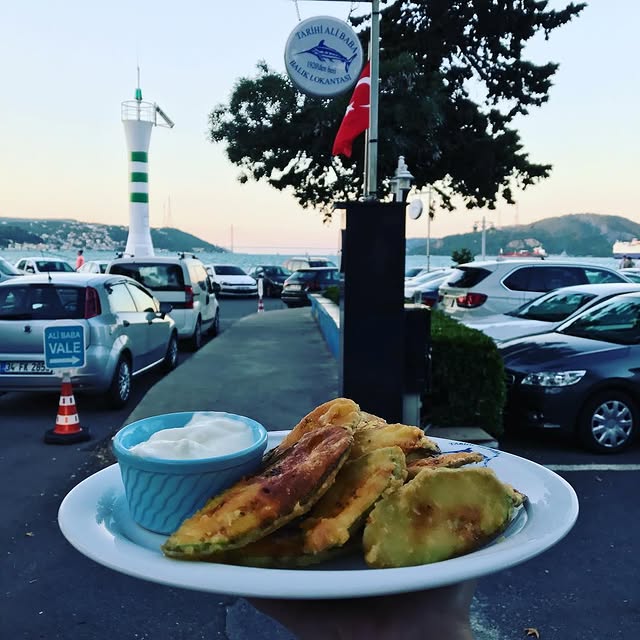
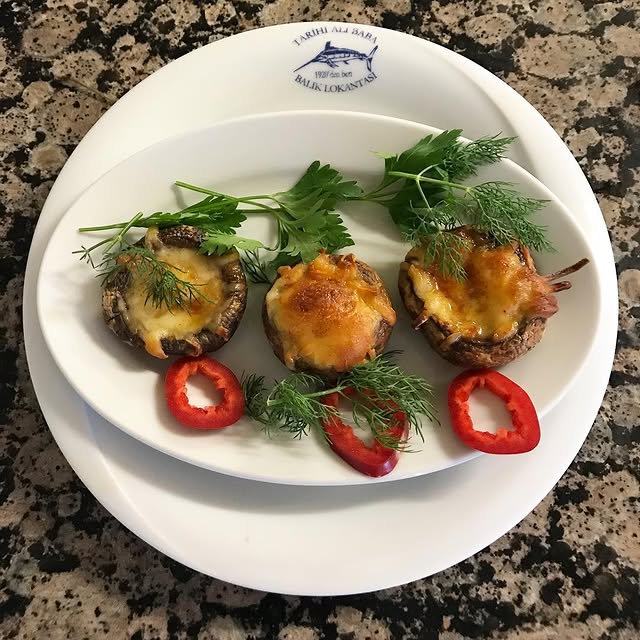
Meze is the opening act and, for many diners, the heart of the meal. A Bosphorus table typically begins with a spread of small plates — vegetable-based, olive-oil-based, sometimes seafood-based — shared across the table. Ordering gradually rather than all at once is normal, and it keeps the pace relaxed.
Ask what the season is offering
Fish in Istanbul is seasonal, and the menu follows the water rather than the calendar on the wall.
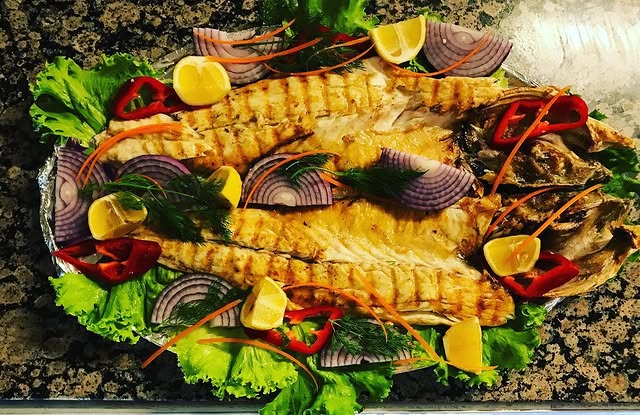
- Autumn brings lüfer, the fish most closely associated with the Bosphorus, along with other migrating species.
- Winter is hamsi and istavrit territory, when small fried fish dominate tables.
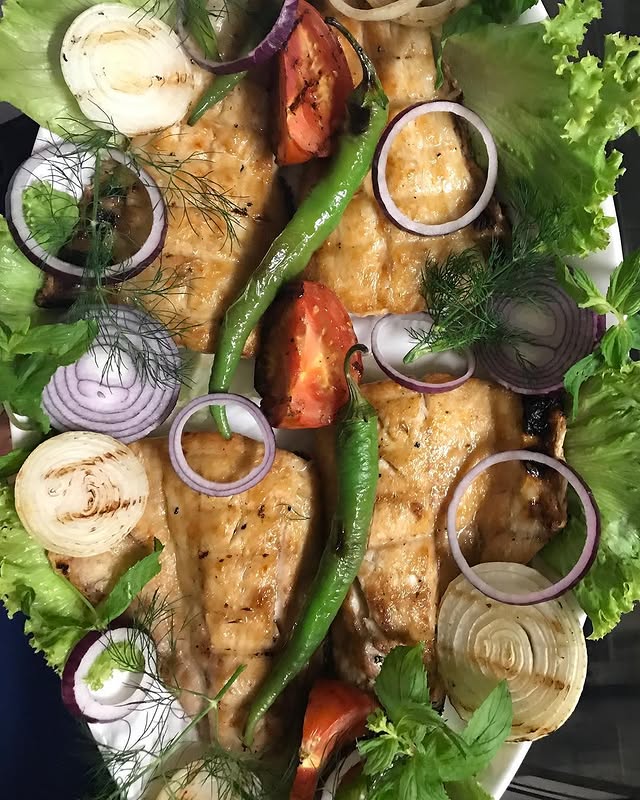
- Warmer months lean towards levrek and çipura, lighter and well suited to long evenings outdoors.
Asking a simple question — "what came in fresh today?" — is standard practice and tells you more than any printed list.
Keep the drinks simple
Rakı with seafood is the established pairing, served diluted and slowly, with ice and water on the side. If you prefer not to drink alcohol, tea and sparkling water work perfectly well and are equally common.
Timing Your Visit
Weekday afternoons in Kireçburnu are quiet, which suits anyone who came primarily for the location. Weekends and warm evenings are livelier, and waterfront tables fill earlier — particularly in summer, when the light stays long over the strait.
Two habits make the day easier:
- Walk first, eat second. The neighbourhood is small; you will enjoy the shoreline more before sitting down.
- Reserve ahead if the weather is good. Fine weather concentrates everyone along the water at the same hours.
Getting There and Back
Kireçburnu sits on the Sarıyer coastal route, reachable by car or by bus along the Bosphorus road, with ferry connections nearby on the same shore. If you are combining the trip with other stops, the neighbourhood works well as a midpoint between the busier stretches of the strait to the south and Sarıyer to the north.
Plan the return leg before you sit down to eat. Long lunches have a way of extending themselves when the water is in front of you.
Reserve your table for the freshest seafood and a tradition of taste since 1920. Contact us via WhatsApp for quick reservations with a Bosphorus view.
---
🐟 Historic Ali Baba Seafood Restaurant | 📍 Kireçburnu, Sarıyer, Istanbul | 🌐 alibababaliklokantasi.com | 📞 Reserve via WhatsApp
Frequently Asked Questions
Where exactly is Kireçburnu?
Kireçburnu is a small neighbourhood on the European side of the Bosphorus, in Sarıyer district, between Tarabya and Büyükdere. It has a compact waterfront and a sheltered cove.
Can I visit the Leyla ile Mecnun filming locations in Kireçburnu?
You can walk the shoreline and streets that appear in the series' Kireçburnu scenes, but specific camera positions are not marked and the neighbourhood has changed over time. Treat it as an atmospheric walk rather than a guided filming trail.
How much time should I set aside for the neighbourhood?
Two to three hours is comfortable if you want to walk the waterfront and then eat. The area itself is small, so most of that time will be spent at the table.
What should I order at a Bosphorus fish restaurant?
Start with a selection of meze, then ask what fish is in season and choose accordingly. In autumn look for lüfer, in winter for hamsi and istavrit, and in the warmer months for levrek or çipura.
Is it better to visit on a weekday or at the weekend?
Weekdays are quieter and better suited to seeing the location. Weekends and summer evenings have more atmosphere along the water but fill up earlier, so reserving ahead is sensible.
How do I make a reservation?
Contact the restaurant via WhatsApp. This is the quickest way to confirm a table, particularly for waterfront seating at popular times.
09.11.2026
Featured Publications
Notes on fish season, Bosphorus tables and traditional meze culture.