
Contact
- Address:Sariyer Kirecburnu, Istanbul
- Hours:Every day 09:00 - 23:00
- Kitchen:Daily fresh fish and Turkish mezes
- View:Istanbul Bosphorus
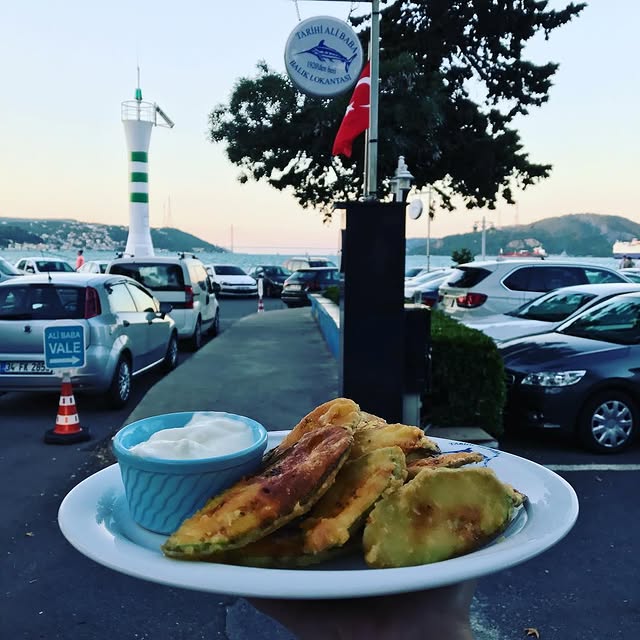
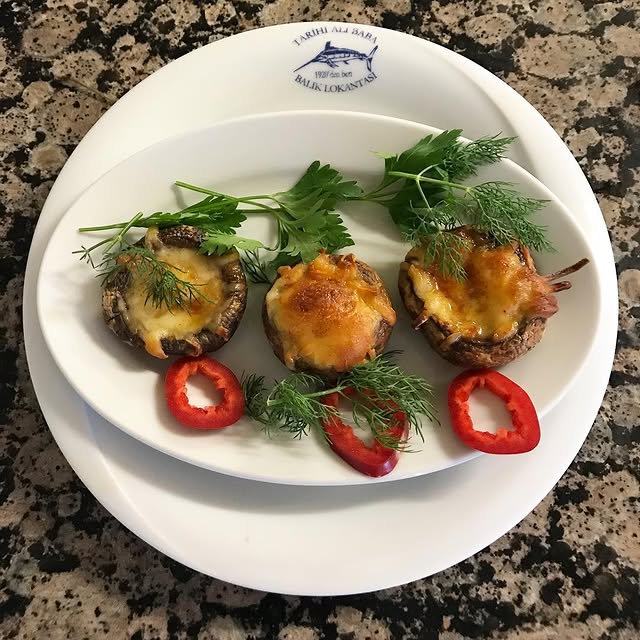
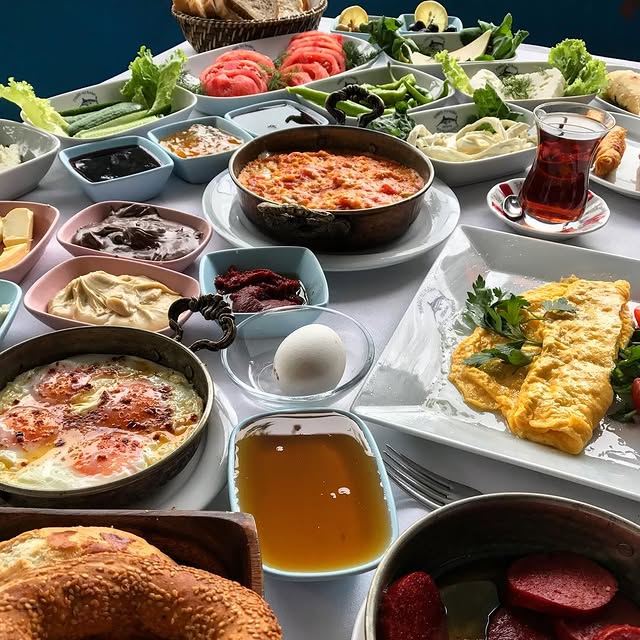
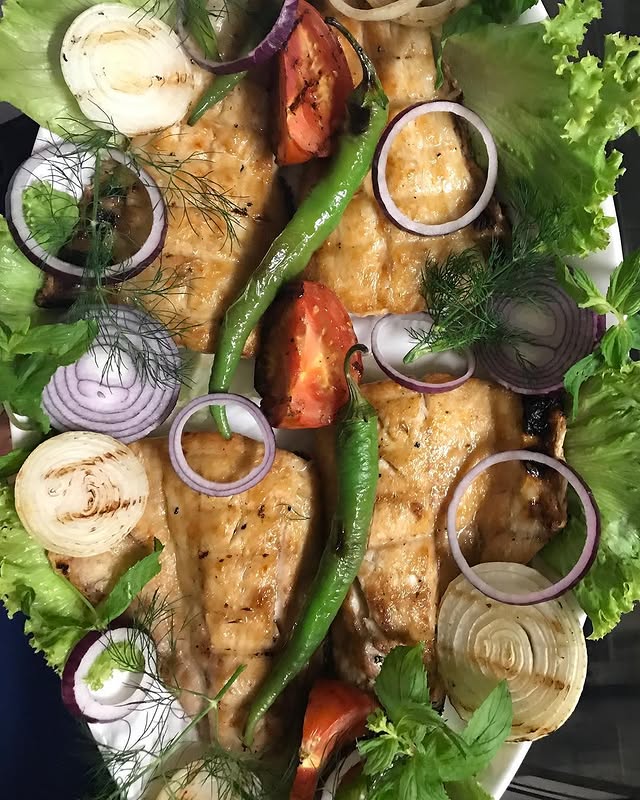
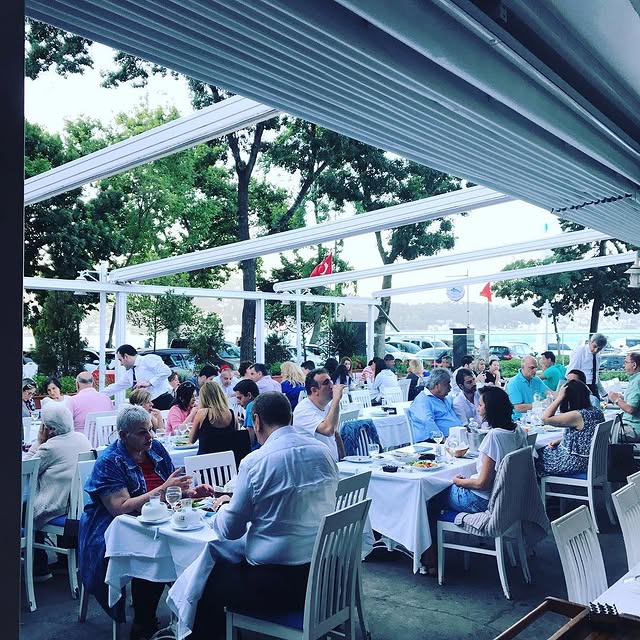
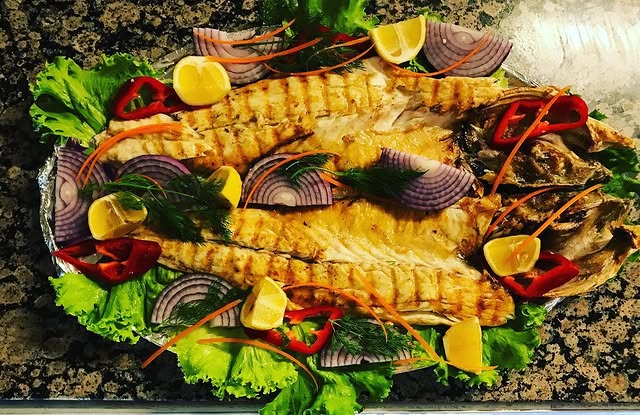
Fresh Fish and Meze Harmony in Istanbul
A seafood meal in Istanbul is rarely judged by the fish alone. What people remember is the rhythm of the table: a small plate of something sharp and herbal, a piece of cured fish, a few minutes of conversation, then the main plate arriving. The harmony of fresh fish and meze in Istanbul is a genuinely culinary idea rather than a marketing phrase — it describes how acidity, salt, olive oil, texture and temperature are balanced against the natural richness of the fish.
Understanding that balance makes ordering easier, whether you are a visitor planning a first Bosphorus dinner or a resident deciding where to eat fish in Sarıyer on a Friday evening. It also explains why the same fish can feel completely different depending on what sits beside it.
A Restaurant That Takes the Pairing Seriously
Tarihi Ali Baba Balık Lokantası has been part of Istanbul's seafood conversation since 1920, and it sits in Kireçburnu, on the Sarıyer stretch of the Bosphorus. That location matters more than it might seem. The northern Bosphorus has a long association with fishing and with the rakı-balık tradition — the unhurried meal in which meze, fish and conversation are paced together rather than served in strict courses.
The restaurant's relevance to this topic is straightforward: a long-established seafood kitchen in a Bosphorus neighbourhood is exactly the kind of place where the fish-and-meze relationship is treated as a whole rather than as two separate parts of a menu.
Why Meze Is More Than a Starter
In Turkish seafood culture, meze is not simply an appetiser that disappears before the main event. It functions as a tuning mechanism.
- Acidity cuts through the oiliness of fried or grilled fish.
- Salt and curing prepare the palate for the clean, sweet flavour of fresh fish.
- Olive oil and herbs add fragrance without dominating.
- Texture — crisp, creamy, fibrous — keeps the meal from becoming monotonous.
- Temperature matters too: a chilled meze before a hot grilled fish creates contrast that a lukewarm plate cannot.
A table built only from rich, creamy dishes quickly becomes heavy; a table of only sharp, vinegary plates leaves the fish tasting thin. The skill lies in the middle.
How a Balanced Fish-and-Meze Table Comes Together
Start with greens and acidity
Vegetable-based meze — seasoned greens, herb-heavy mixtures, olive-oil dishes — open the meal without filling it. They wake up the palate and leave room for what follows.
Add one or two richer elements
Cured fish, seafood in olive oil, or something with a creamy base gives the table weight. One or two is usually enough; more and the main fish loses its impact.
Keep the fish at the centre
The fish should arrive as the clear focus. If the meze has been balanced properly, a simply prepared sea bass or bream needs very little beside it — perhaps lemon, good olive oil and bread.
Finish light
Turkish seafood meals often end with fruit or a simple sweet rather than a heavy dessert. After a long table of meze and fish, that restraint feels deliberate.
What "Fresh" Actually Means in Practice
Freshness is not a single quality; it is a set of signals a diner can learn to read.
- Smell should be clean and sea-like, never sharp or ammoniac.
- Flesh should feel firm and spring back when pressed.
- Eyes should be clear and slightly convex rather than sunken and cloudy.
- Gills should be red, not dull brown.
- Skin should look bright, with scales intact.
There is also an indirect signal that matters just as much: a menu that changes. A kitchen working with what arrived that day will not offer the same list in January as in July. Fixed, year-round availability of every species is more likely to suggest frozen or farmed supply than exceptional sourcing.
How the Season Rewrites the Table
Seasonality is the reason the meze selection should never be decided in advance.
In the colder months, the Bosphorus and the Black Sea connection bring the fish that Turkish tables wait for: hamsi, palamut, lüfer and torik. These are fish with enough oil and flavour to stand up to bolder meze — sharper, saltier, more acidic plates work well here.
In warmer months, the emphasis shifts toward lighter fish such as sea bream and sea bass, along with species that suit grilling. The meze should follow: more herbs, more olive oil, more fresh vegetables, less curing and less fat.
Spring and early summer bring their own produce to the meze side of the table, and that changes the balance as much as the fish does. A kitchen that responds to both is doing the work that matters.
For diners, this suggests a simple habit: ask what is good that day rather than ordering from memory. The answer tells you how the kitchen thinks.
Where the Bosphorus Fits In
The Bosphorus is not just a view. Its currents, salinity and connection between the Marmara and the Black Sea have shaped Istanbul's fishing calendar for centuries, and the northern shoreline — Sarıyer, Kireçburnu, Tarabya, Büyükdere — has historically been associated with the trade.
This is why "where to eat fish in Istanbul" has a geographic answer as well as a culinary one. The historic fishing villages along the upper Bosphorus carry a continuity that newer waterfront districts do not. Dining in Kireçburnu means eating in a neighbourhood where fish has long been the local business rather than an added attraction.
For visitors, the practical implication is that a Bosphorus fish restaurant offers something a central-city seafood restaurant often cannot: a slower, more residential setting, with the water in view and the meal paced accordingly. It suits long lunches, unhurried dinners and tables that order gradually rather than all at once.
Practical Ordering Advice
- Order meze in stages. Two or three to begin, then reassess. Tables that order eight plates at once usually end up rushing.
- Balance, don't accumulate. For every creamy or fried plate, choose something sharp or herbal.
- Ask about the day's fish before deciding on meze. A heavier fish calls for lighter plates.
- Share the main fish. Turkish seafood tables often work best when the fish is brought whole and divided, with each person adding their own meze.
- Keep drinks simple. Rakı is traditional, but a crisp white or even water allows the fish to be tasted clearly.
- Book ahead for weekend evenings. Waterfront tables in Sarıyer fill quickly, particularly in fine weather.
A Note on Choosing a Fish Restaurant
Anyone comparing Istanbul seafood restaurants will weigh a familiar set of factors: proximity to the water, how the fish is selected and stored, whether the menu follows the season, the range and freshness of the meze, the pace of service, and the character of the room. History can be a factor too, though longevity only matters if the kitchen still cooks with attention.
Tarihi Ali Baba Balık Lokantası fits into that framework as a Bosphorus seafood restaurant with a history reaching back to 1920, in a location — Kireçburnu, Sarıyer — where fish has always been the point. Judging it, as with any restaurant, is best done at the table.
Reserve your table for the freshest seafood and a tradition of taste since 1920. Contact us via WhatsApp for quick reservations with a Bosphorus view.
---
🐟 Historic Ali Baba Seafood Restaurant | 📍 Kireçburnu, Sarıyer, Istanbul | 🌐 alibababaliklokantasi.com | 📞 Reserve via WhatsApp
FAQ
What makes meze and fish work well together in Istanbul?
The pairing works because meze adjusts the palate. Acidic, herbal and lightly salted plates balance the richness of grilled or fried fish, while the fish provides a clean, sweet counterpoint to stronger flavours. The tradition is as much about pacing as about flavour.
Which meze should I order first at a seafood restaurant?
Begin with vegetable-based and herb-forward plates, then add one or two richer items such as a cured fish or an olive-oil seafood dish. Keep the total moderate so the main fish still registers.
Does the season really change what I should order?
Yes. Oily, cold-water fish such as palamut, lüfer and hamsi belong to the cooler months and suit bolder meze. Warmer months favour lighter fish like sea bream and sea bass, which pair better with fresh vegetables, herbs and olive oil.
How can I tell if the fish is fresh?
Look for clear, slightly convex eyes, red gills, firm springy flesh and a clean sea smell. A menu that shifts with the season is another strong indicator that the kitchen is working with daily supply.
Where can I eat fish on the Bosphorus in Istanbul?
The northern Bosphorus, including Sarıyer and Kireçburnu, has a long fishing history and a concentration of seafood restaurants. Kireçburnu in particular offers a quieter, residential waterfront setting compared with the busier central districts.
Do I need a reservation for a Bosphorus fish dinner?
For weekend evenings and warm-weather months, reserving ahead is sensible, especially if you want a table with a water view. Contacting the restaurant directly via WhatsApp is usually the quickest way to confirm availability.
02.11.2026
Featured Publications
Notes on fish season, Bosphorus tables and traditional meze culture.