Contact
- Address:Sariyer Kirecburnu, Istanbul
- Hours:Every day 09:00 - 23:00
- Kitchen:Daily fresh fish and Turkish mezes
- View:Istanbul Bosphorus
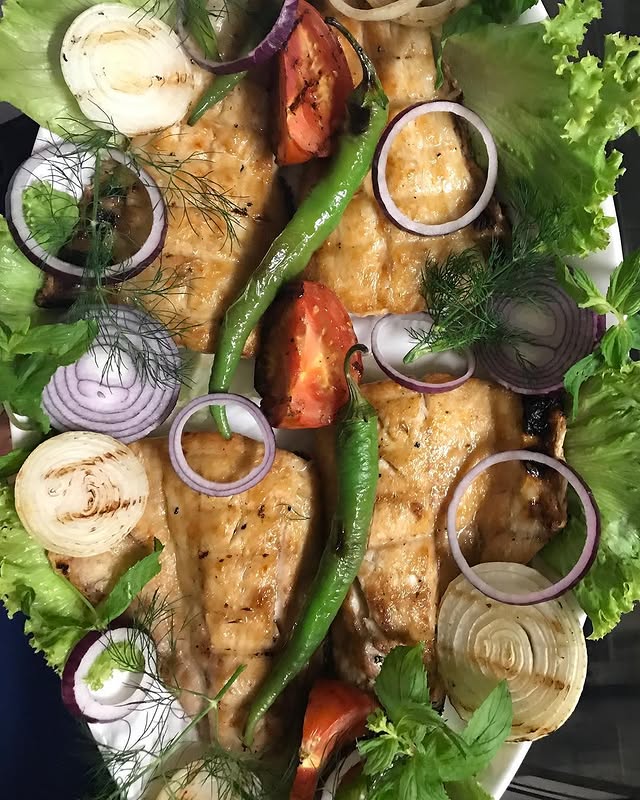
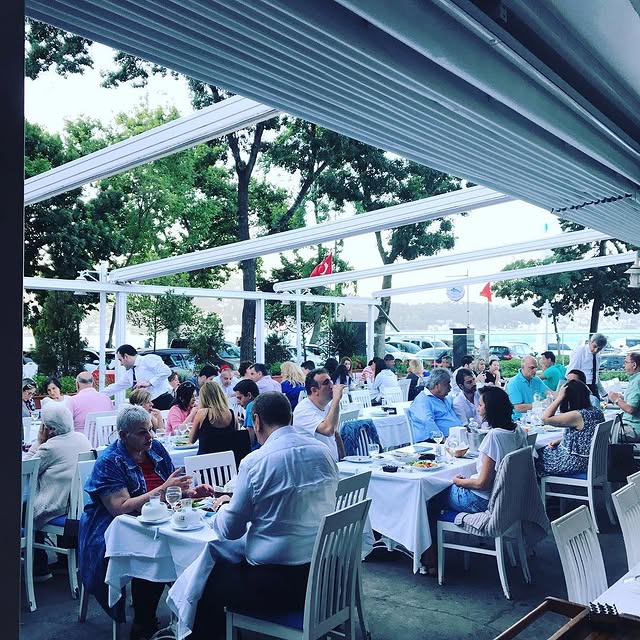
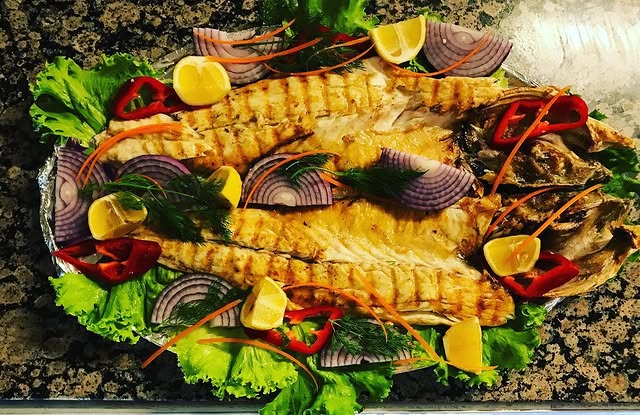
Fish Kokoreç in Istanbul: Where Seafood Lovers Should Go
Some Istanbul cravings are easy to satisfy. A plate of grilled fish, a bowl of meze, a glass of rakı — the city offers that on nearly every corner of the Bosphorus. Balık kokoreç is different. It is a niche dish with a devoted following, prepared properly by fewer kitchens than most seafood staples, and the people who love it tend to be specific about what they want: clean handling, confident seasoning, and a grill that knows when to stop.
That is why searches for Istanbul fish kokoreç spots usually come from people who already know the dish. They are not browsing — they are narrowing down. This guide is written for that reader. It explains what balık kokoreç actually is, what separates a good version from a careless one, which criteria matter when choosing where to eat it, and how to plan a full seafood meal around it, including along the northern Bosphorus in Sarıyer and Kireçburnu.
What Balık Kokoreç Really Is
Balık kokoreç is the fish-based relative of the lamb kokoreç that most visitors know from Istanbul's street stalls. The logic of the dish is the same — offal, thorough cleaning, assertive seasoning, direct heat — but the raw material comes from the sea.
In most versions, the offal of oily fish is used, and recipes vary considerably between kitchens. Some cooks favour intestines, others work with liver or with the richer inner parts of larger fish. What stays consistent is the preparation: meticulous cleaning, a marinade or rub built on garlic, herbs, pepper and often a little chilli, then grilling over charcoal until the edges crisp while the centre stays soft.
Why it is not on every menu
Handling fish offal well takes time and discipline. It cannot be rushed, it does not keep long, and it rewards a kitchen that already works with whole fish rather than pre-portioned fillets. As a result, balık kokoreç tends to appear in places with a genuine fish culture — meyhanes, fish markets, and seafood restaurants where the kitchen uses the whole animal instead of discarding what does not fit a standard plate.
How to recognise a good one
- Smell before taste. A well-prepared version smells of charcoal, garlic and herbs — not of old fish.
- Texture, not just flavour. The best versions are crisp at the edges and tender inside; a uniformly rubbery or dry result usually signals hasty grilling.
- Seasoning with restraint. Enough chilli and pepper to lift the richness, not so much that it masks it.
- A short, confident menu. Kitchens that make balık kokoreç well usually make a limited number of other things well too.
Criteria for Choosing Where to Eat Seafood in Istanbul
If your goal is a proper sit-down seafood meal — with or without kokoreç on the table — these are the factors that separate a satisfying evening from a forgettable one.
Freshness and turnover. A restaurant that sells a lot of fish buys a lot of fish. Ask what arrived that day and let the answer guide you.
Seasonal awareness. Istanbul's seafood calendar is real. A kitchen that pushes sea bass in December regardless of what is swimming well is a kitchen that thinks in fixed menus rather than in seasons.
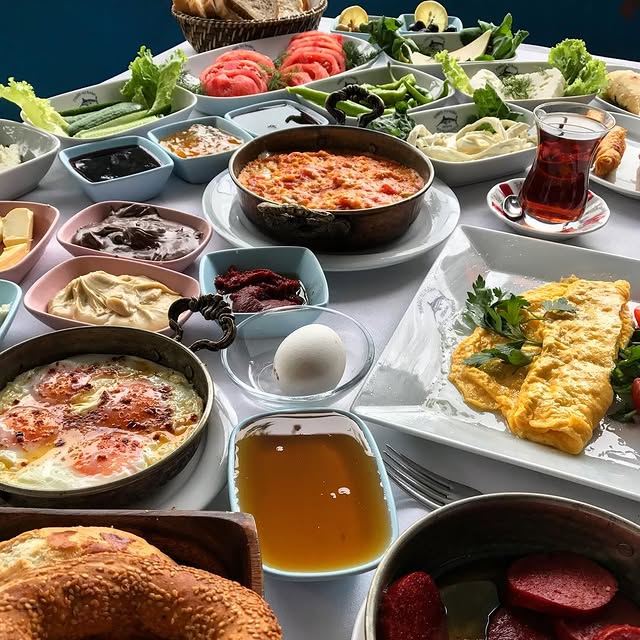
Meze as a measure. Meze is not decoration. Olive oil quality, the balance of acidity in a salad, the way vegetables are cooked — these tell you how the kitchen treats ingredients before the fish ever reaches the grill.
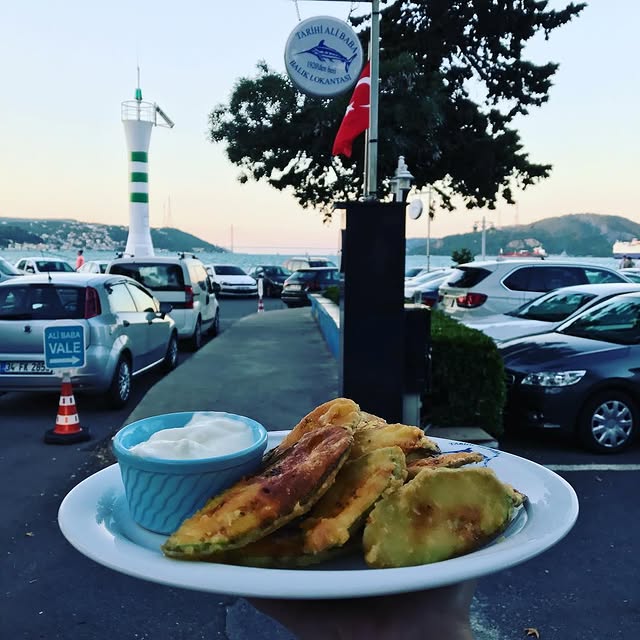
Location and atmosphere. A Bosphorus view is not essential to good food, but a setting that suits a long meal — conversation, a slow table, water nearby — changes how the evening feels.
Historical character. Old Istanbul seafood houses carry habits built over decades: service rhythms, table pacing, the way rakı and meze are sequenced. For many diners, that continuity is part of the appeal.
Ease of booking. A simple, quick reservation conversation removes most of the friction from a seafood night out.
Tarihi Ali Baba Balık Lokantası and the Kokoreç-Seeking Diner
Tarihi Ali Baba Balık Lokantası is a seafood restaurant on the Bosphorus shore in Kireçburnu, within the Sarıyer district, with a history that reaches back to 1920. That longevity matters for a specific reason: a kitchen that has cooked fish for generations tends to approach the whole fish — not just the fillet — with a certain seriousness. Offal dishes, when they appear, come from that same discipline.
It is worth being precise about expectations. This is a seafood restaurant rather than a street kokoreç stall, so the experience is a seated one: meze, fish, a table that is meant to stretch over an evening, and the Bosphorus outside. If balık kokoreç is the specific reason for your visit, the practical move is to ask about availability when you make your reservation, since dishes of this kind depend on the day's supply and the season rather than on a fixed printed list.
For anyone assembling an Istanbul seafood itinerary around this dish, that combination is useful: the niche craving and the full rakı-balık meal can belong to the same evening rather than requiring two separate trips across the city.
Why Sarıyer and Kireçburnu Suit This Kind of Eating
The northern Bosphorus has a quieter rhythm than the tourist-heavy stretches further south. Kireçburnu sits along the coastal road in Sarıyer, close enough to the water that the view is part of the meal, and far enough from the centre that the pace drops.
That matters more than it sounds. Balık kokoreç is a rich, savoury dish that works best as part of a slow sequence — a few meze first, then the grilled courses, then fruit and coffee — rather than as a quick bite. A neighbourhood that is not rushing you is the right setting.
- Before sunset is the classic hour: the light on the water is at its best and the meal has room to breathe.
- Weekday evenings are calmer than weekends, which suits longer tables.
- Lunch works well for visitors who want the Bosphorus without committing the whole evening.
Building the Rest of the Table
If kokoreç is the opening act, the rest of the meal should be built around what the season is offering. Rather than ordering a fixed list, ask what is good that day — Istanbul fish restaurants with real buying relationships will tell you honestly.
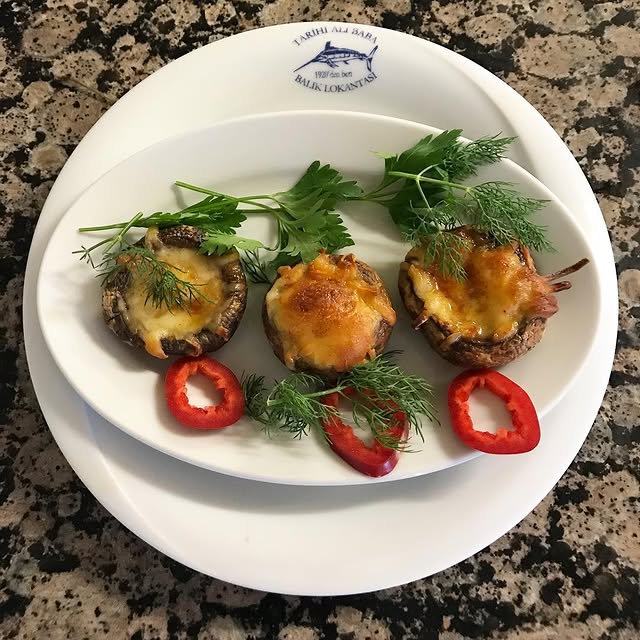
For a lighter start: olive-oil-based vegetable meze, seasonal greens, a clean seafood salad. These reset the palate between richer bites.
For the main course: choose one fish cooked simply and one cooked with a little more character, and share both. Oily fish stand up well to the char and spice of kokoreç preceding them; leaner white fish benefit from a lighter hand.
For the drink: rakı is the traditional partner, served long and cold. Wine and water both work; what matters is that the drink does not compete with the grill.
For the finish: something cold and clean — fruit, a simple dessert, Turkish coffee.
Practical Notes Before You Go
- Ask about the day's catch rather than ordering from memory.
- Confirm whether speciality dishes such as balık kokoreç are available that day.
- Arrive hungry but not ravenous; the meal is a sequence, not a single plate.
- Reserve ahead for evening tables, especially on weekends and in summer.
- If you are travelling from the European side, allow real travel time along the Bosphorus road.
Reserve your table for the freshest seafood and a tradition of taste since 1920. Contact us via WhatsApp for quick reservations with a Bosphorus view.
---
🐟 Historic Ali Baba Seafood Restaurant | 📍 Kireçburnu, Sarıyer, Istanbul | 🌐 alibababaliklokantasi.com | 📞 Reserve via WhatsApp
FAQ
Is balık kokoreç the same as lamb kokoreç?
The technique is related — offal, thorough cleaning, seasoning, charcoal — but the raw material is fish rather than lamb. The flavour is lighter and more savoury-sweet, and the dish is generally served as part of a seafood meal rather than as street food.
Where can I find fish kokoreç in Istanbul?
It appears most often in meyhanes, fish markets and seafood restaurants where the kitchen works with whole fish. Because preparation is labour-intensive, availability changes by day and season. Calling or messaging ahead is the most reliable approach.
Does Tarihi Ali Baba Balık Lokantası serve balık kokoreç?
The restaurant is a seafood house with a history since 1920, and dishes beyond the core menu depend on the day's supply. Rather than assuming, ask directly when you reserve via WhatsApp and the team can tell you what is available for your date.
What should I drink with fish kokoreç?
Rakı is the traditional choice and cuts through the richness well. A crisp white wine or plain water also works. Avoid anything heavily oaked or sweet, which tends to clash with char and spice.
When is the best time of year to visit a Bosphorus fish restaurant?
Every season has its own fish, so there is no wrong month — only different orders. Winter and early spring bring the richest variety of oily fish; warmer months suit lighter plates and longer evenings outside. Ask the kitchen what is at its peak.
Do I need a reservation?
For evening meals, especially at weekends, yes — it is the simplest way to secure a table with a view. A WhatsApp message is usually the quickest route and lets you ask about specific dishes at the same time.
How do I get to Kireçburnu from central Istanbul?
Kireçburnu is on the Bosphorus shore within Sarıyer, on the northern stretch of the coastal road. The journey is straightforward by car or along the coast road, and the trip itself passes some of the city's best water views — worth building into the evening rather than treating as transit.
24.10.2026
Featured Publications
Notes on fish season, Bosphorus tables and traditional meze culture.