Contact
- Address:Sariyer Kirecburnu, Istanbul
- Hours:Every day 09:00 - 23:00
- Kitchen:Daily fresh fish and Turkish mezes
- View:Istanbul Bosphorus
Lüfer Season in Istanbul: A Guide to Fish Dining
In Istanbul, the start of lüfer season is felt before it is announced. The northern wind picks up along the Bosphorus, the water darkens and cools, and fish counters across the city begin to look different. For anyone who plans a trip around food, lüfer season in Istanbul is one of the most rewarding times of year to sit at a table by the water — not because of spectacle, but because a single fish, at its best, teaches you how closely Istanbul dining still follows the rhythms of the strait.
This guide explains what lüfer is, how the season works along the Bosphorus, what to look for on a menu, and how to plan an evening in Sarıyer or Kireçburnu so that the meal makes sense from the first meze to the last bite.
What Lüfer Season Actually Means
Lüfer is the Turkish name for bluefish, an oily, migratory fish that moves through the Bosphorus as water temperatures drop. Its season generally begins in autumn and continues into winter, and its quality is closely tied to that migration: fish caught during a strong run tend to be firm, rich and full of the fat that makes oily fish worth grilling.
Two things follow from this.
First, lüfer is a seasonal pleasure in the strict sense. Outside its window, you are eating something else, or eating it frozen — and a kitchen that respects the calendar will tell you so.
Second, the season is not a fixed date. It shifts with water temperature, wind and the size of the run. Anyone who tells you the season starts on an exact day is describing a habit, not a rule. The useful approach is to ask what came in recently and choose accordingly.
The Bluefish Family: Çinekop, Sarıkanat, Lüfer, Kofana
One of the small confusions that greets visitors is that the same fish appears under several names. In Istanbul fish markets and restaurants, bluefish is classified by size, and each name carries its own expectations in the kitchen.
- Çinekop — the smallest, usually pan-fried whole and eaten crisp.
- Sarıkanat — a step up in size, still well suited to frying or light grilling.
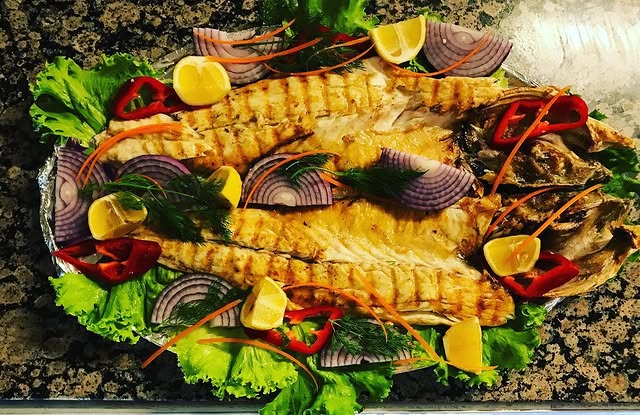
- Lüfer — the size most associated with the season, often grilled.
- Kofana — the largest, less common, and cut differently because of its size.
Knowing these names helps you read a menu accurately and ask better questions. It also explains why prices vary so much within the same season: you are not comparing one product, but several stages of the same one.
How Size Changes the Cooking
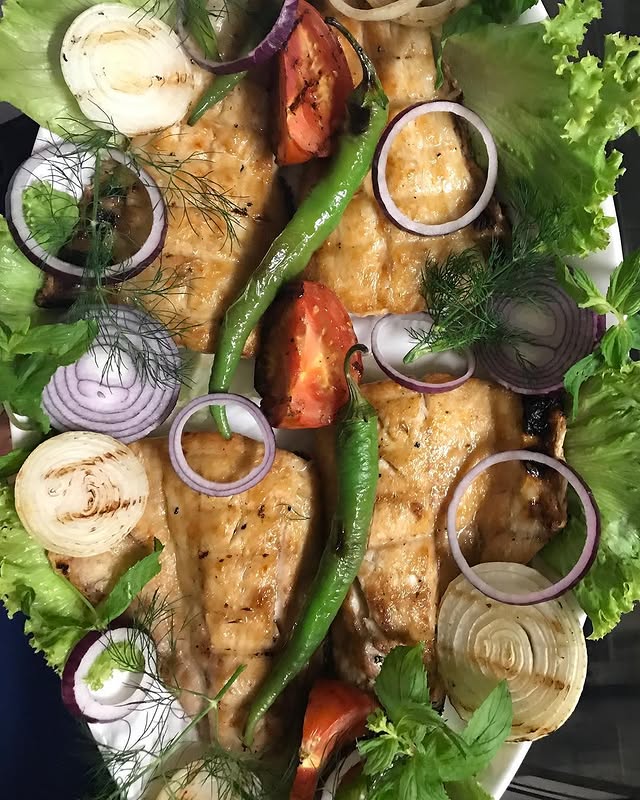
Small bluefish reward high heat and a dry surface — a hot pan, a little salt, nothing else. Larger fish benefit from the grill, where the skin crisps and the fat renders slowly. This is practical information you can use anywhere: if a restaurant offers only one cooking method for every size, that is a sign the kitchen is not thinking about the fish in front of it.
Why the Bosphorus Shapes the Season
The Bosphorus is a migration corridor. Fish move through it between the Black Sea and the Sea of Marmara, and the strait's current, depth and salinity make it a natural staging ground. This is why the fish-eating culture of Istanbul grew along these shores rather than inland, and why neighborhoods facing the water developed their own relationship with the catch.
It also explains a local habit: people watch the wind. A sustained northern wind is treated as a good sign, and conversations in fish restaurants in autumn often turn to what the last few days have brought in. You do not need to master this to enjoy a meal, but paying attention to it makes the experience richer.
How to Build a Lüfer-Season Meal
A Turkish fish dinner has a structure, and following it makes the fish taste better rather than getting lost.
Start Light with Meze
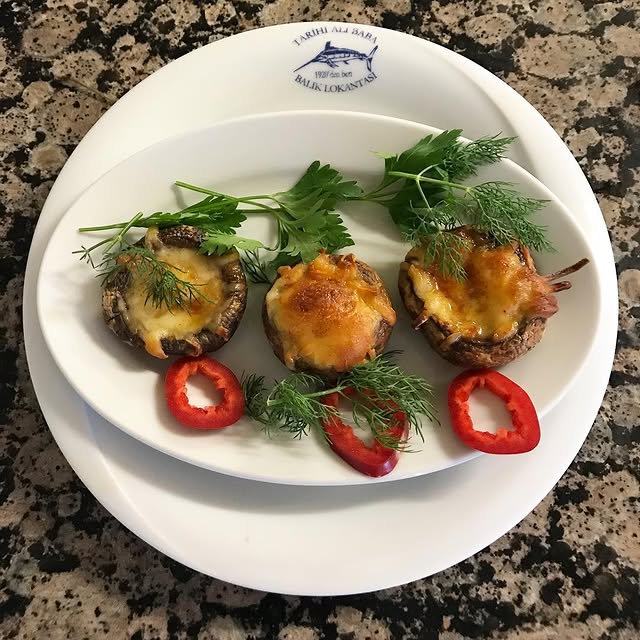
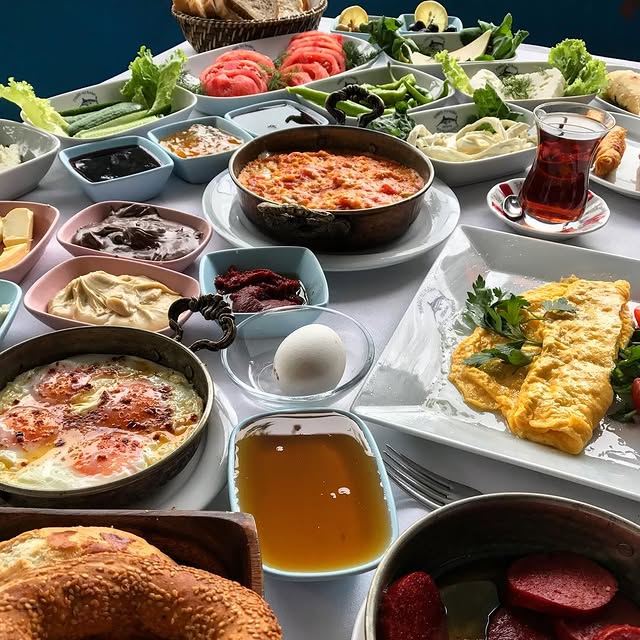
Oily fish arrives with weight and character, so the beginning of the meal should not compete with it. Vegetable-based meze, olive oil dishes, herbs, yogurt and acidic plates do the job of preparing the palate. A table loaded with heavy fried starters will dull the main event.
Let the Fish Be the Center
During lüfer season, the fish is usually the reason you came. Order it simply, ask how it is being prepared that day, and share a whole fish if the size allows — it is easier to judge doneness at the table and easier to eat slowly.
Keep the Accompaniments Quiet
Rakı is the traditional companion, served chilled and diluted, and it works because its anise edge cuts through the oil. Wine drinkers often find a crisp white more useful than anything oaky. Whatever you choose, the point is contrast, not volume.
What to Look For in a Fish Restaurant
There is no shortage of places to eat fish in Istanbul, and the range in quality is wide. Rather than chasing a ranking, use criteria you can actually evaluate:
- Freshness signals — clear eyes, firm flesh, red gills, and staff willing to talk about what arrived when.
- Seasonal honesty — a menu that changes and a kitchen that admits when something is not at its best.
- Restraint in preparation — simple grilling and frying that let the fish speak.
- Meze quality — small plates made with care, not assembled from a supplier's tub.
- Setting — whether the room and the view suit the kind of evening you want.
- Service rhythm — a pace that lets you eat meze, then fish, without everything landing at once.
- Accessibility and booking — how easy it is to reach the place and secure a table in a busy season.
Judged on these terms, a Bosphorus restaurant with a long history and a shoreline location has natural advantages: the fish is the local subject, and the view does part of the work.
A Kireçburnu Table With a Long Memory
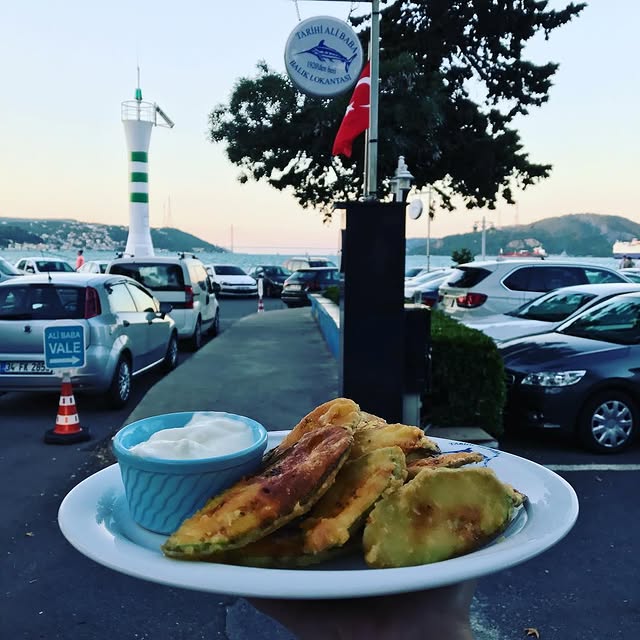
Tarihi Ali Baba Balık Lokantası sits in Kireçburnu, on the Sarıyer stretch of the Bosphorus, and has been part of the area's food culture since 1920. That continuity matters in a city where fish restaurants open and close quickly. It suggests habits — sourcing, preparation, service — that have survived several decades of changing tastes.
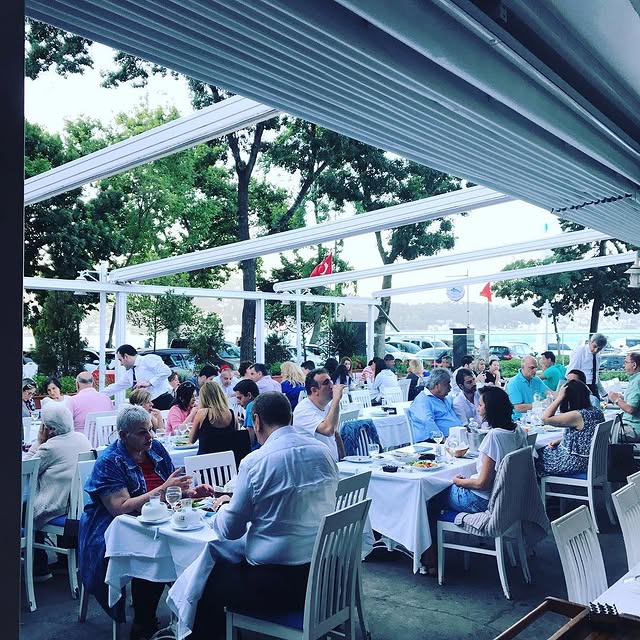
For a lüfer-season evening, the practical appeal is straightforward. The location on the European shore of the strait puts you close to the water, where the season is easiest to feel. The setting suits a long dinner rather than a quick one. And the historic character of the place fits a meal built around a fish that Istanbul cooks have taken seriously for generations.
Planning the Evening
A few practical notes make a seasonal fish dinner go more smoothly.
- Go midweek if you can. Weekend tables along the Bosphorus fill quickly in autumn.
- Ask about the day's fish first. Decide the main course before building the rest of the table around it.
- Book ahead. Seasonal demand is real, and a confirmed table removes the main source of stress.
- Arrive before sunset in autumn. The light on the water is part of the experience, and the room is calmer early.
- Keep the ordering simple. Meze, one fish, a shared salad, something sweet at the end.
If you are researching from outside Istanbul, the season is worth planning a trip around: autumn and early winter give you both the fish and a quieter version of the city.
Reserve Your Table
Lüfer season rewards planning more than improvisation. Reserve your table for the freshest seafood and a tradition of taste since 1920. Contact us via WhatsApp for quick reservations with a Bosphorus view.
---
🐟 Historic Ali Baba Seafood Restaurant | 📍 Kireçburnu, Sarıyer, Istanbul | 🌐 alibababaliklokantasi.com | 📞 Reserve via WhatsApp
Frequently Asked Questions
When is lüfer season in Istanbul?
It generally runs from autumn into winter, beginning as the water cools and fish migrate through the Bosphorus. The exact timing shifts each year with temperature and wind, so the most reliable approach is to ask what has arrived recently rather than rely on a fixed date.
What is the difference between lüfer, çinekop and kofana?
They are the same fish at different sizes. Çinekop is the smallest and is usually fried whole; sarıkanat is medium; lüfer is the size most associated with the season; kofana is the largest. Size determines both cooking method and price.
Where can I eat fish in Sarıyer or Kireçburnu?
Both districts sit on the Bosphorus and have a long fish-dining tradition. Kireçburnu, where Tarihi Ali Baba Balık Lokantası has been located since 1920, is a practical base for a seasonal dinner with a water view.
What should I order with lüfer?
Start with vegetable-based and olive-oil meze, keep the table light, and let the fish be the main course. Rakı is traditional; a crisp white wine works equally well. Avoid heavy fried starters that overwhelm an oily fish.
Do I need a reservation during the season?
It is strongly advisable, especially at weekends. Autumn is when demand for Bosphorus fish restaurants peaks, and a table booked in advance is the simplest way to avoid a wasted evening.
Is lüfer suitable for children or non-fish eaters?
Grilled lüfer is mild in texture and easy to share, and most fish restaurants offer meze and non-fish plates alongside. If someone at the table does not eat fish, check the meze selection when booking.
Can I visit without knowing the season?
Yes. A good fish restaurant works with whatever is at its best that day. Ask the staff what they recommend, and the meal will follow the calendar even if you have not.
21.10.2026
Featured Publications
Notes on fish season, Bosphorus tables and traditional meze culture.