Contact
- Address:Sariyer Kirecburnu, Istanbul
- Hours:Every day 09:00 - 23:00
- Kitchen:Daily fresh fish and Turkish mezes
- View:Istanbul Bosphorus
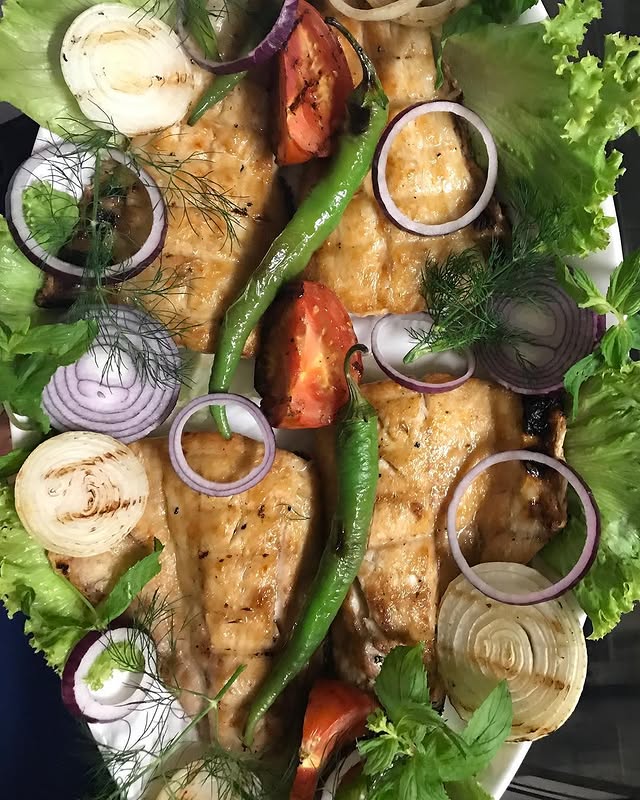
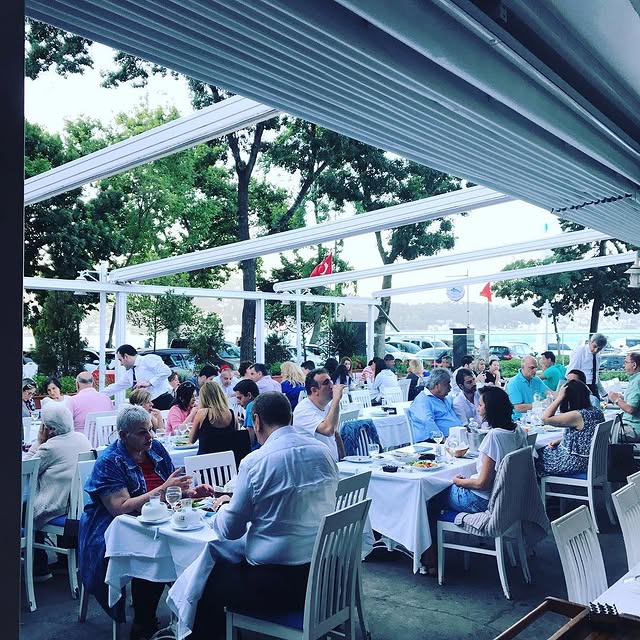
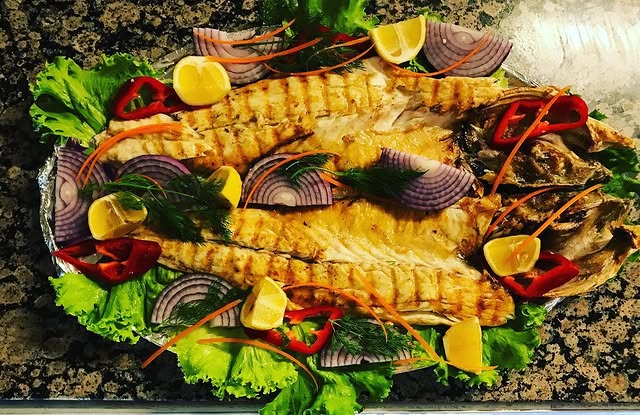
A Bosphorus Seafood Guide to Istanbul's Anatolian Side
The Bosphorus has two shores, and they behave differently. The European side gets the postcard traffic — Ortaköy, Arnavutköy, the waterfront mansions of Tarabya. The Anatolian side moves at its own pace: ferry piers, tea gardens on the hillside, fishing lines off the rocks at Kuzguncuk, and neighbourhood streets in Beylerbeyi where the smell of grilled fish drifts out of a doorway at seven in the evening. If you are planning Boğaz'ın Anadolu Yakası'nda balık keyfi — the particular pleasure of a fish meal on the Bosphorus's Asian shore — the experience rewards a little preparation. Which district you choose, what is running in the water that month, and how the table is built around meze and rakı all matter more than the view.
This guide walks through how that side of the strait eats fish, what to look for when choosing a restaurant, and how to read the seasons so your order matches what the water is actually offering.
What Makes a Fish Restaurant Worth Choosing
Before naming districts, it helps to be explicit about criteria. Anyone searching for a good seafood table on the Bosphorus is really comparing several things at once:
- Proximity to the water and to the fish — a restaurant that understands the strait's daily rhythm usually builds its menu around what arrives, not around a fixed card printed in January.
- Seasonal honesty — a short list that changes with the migration is a better sign than forty dishes available all year.
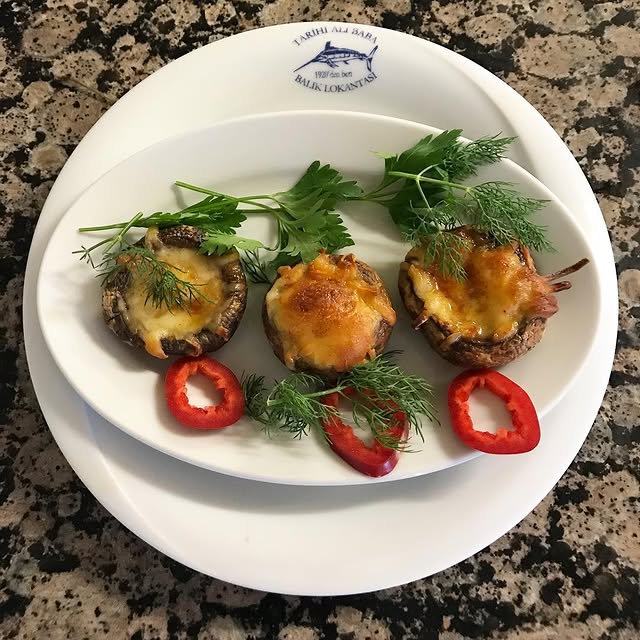
- Meze quality — in Turkish seafood culture the cold meze counter is not a side act; it sets the tone for everything after.
- Cooking restraint — grilled fish should taste of fish, not of the grill.
- Atmosphere and pace — a rakı table is meant to last two or three hours. A room that rushes you is the wrong room.
- Access and booking — how easily you can reach it, and whether a table is actually available on a Friday night.
Historical character is a legitimate criterion too. A restaurant that has been part of a neighbourhood for decades tends to have a different relationship with its suppliers and its regulars than one that opened last spring.
The Anatolian Shore, District by District
Üsküdar, Kuzguncuk and Beylerbeyi
The southern stretch is the most accessible: ferries from Eminönü and Beşiktaş land you minutes from the water. Kuzguncuk keeps a village texture — narrow streets, fig trees, a small pier — and Beylerbeyi sits under the shadow of its palace. This is where many Istanbul residents go when they want fish without a long drive, and where the proportion of locals to visitors stays comfortably high.
Çengelköy and Vaniköy
Further north, the shore bends and the traffic thins. Çengelköy is known for its spring water and its long-standing association with cucumbers, but its real appeal for a fish dinner is the way the neighbourhood folds into the hillside above the strait. Tables here tend to be quieter, and the walk down to the water after dinner is part of the evening.
Kanlıca and Anadolu Hisarı
Kanlıca is famous for yogurt, sold in the same small shops for generations, and for a waterfront that feels suspended between two bridges. Anadolu Hisarı, with its small fortress at the narrowest northern point, is the last genuinely residential stop before the strait widens toward the Black Sea. Both are good choices if you want the Bosphorus without the density of the southern districts.
Beykoz and Paşabahçe
Beykoz is the point where the Bosphorus stops feeling like a city and starts feeling like a river valley. The shoreline is greener, the water darker, and the view north toward the Black Sea entrance is the reason many people make the trip. If your idea of a Bosphorus fish meal includes a long drive and a quiet table at the end of it, this is the direction to head.
How the Strait Shapes What Lands on Your Plate
The Bosphorus is a migration corridor. Pelagic fish move between the Black Sea and the Sea of Marmara through a channel that is narrow, deep and full of current — and that movement is what has made Istanbul a fish city for centuries. It also means the menu is never static. A restaurant that opens its doors in September is not serving the same fish as one in March, and the best tables are the ones that accept this rather than resisting it.
This is also why the same fish appears under several names on Istanbul menus. The bluefish family is the classic example: as it grows through the season, it is sold as çinekop, sarıkanat, lüfer and kofana — smaller to larger, each with its own preferred cooking method. Understanding that vocabulary makes ordering easier and makes it obvious when a restaurant knows what it is doing.
Reading the Season: What to Order When
Autumn
The season turns in September, and with it the autumn migration. Bluefish — lüfer and its smaller forms — arrives, and the istavrit and sardalya that have been on the grill all summer get fatter. This is the period Istanbul cooks look forward to most. Grilling and light pan-frying suit these fish; heavy sauces do not.
Winter
Hamsi dominates the winter months, and the cold water brings kalkan (turbot), mezgit (whiting), dil (sole) and tekir. Winter is when the Bosphorus table is at its most serious: whole fish, simply cooked, with a meze spread that leans on pickles, olive oil and lemon.
Spring
As the water warms, the heavier winter fish recede. Sea bass and sea bream become reliable choices, whatever the wild season is doing, and lighter fish return to the grill. Spring is a good time for a long, unhurried lunch on the water rather than a heavy dinner.
Summer
Summer eating on the Bosphorus is about shade, breeze and patience. Sardalya and barbun are at their best, and the meal stretches later into the evening. If you are visiting Istanbul in July or August, book for the second seating and let the table run — the strait is more pleasant after the sun drops behind the European hills.
Meze, Rakı and the Shape of the Meal
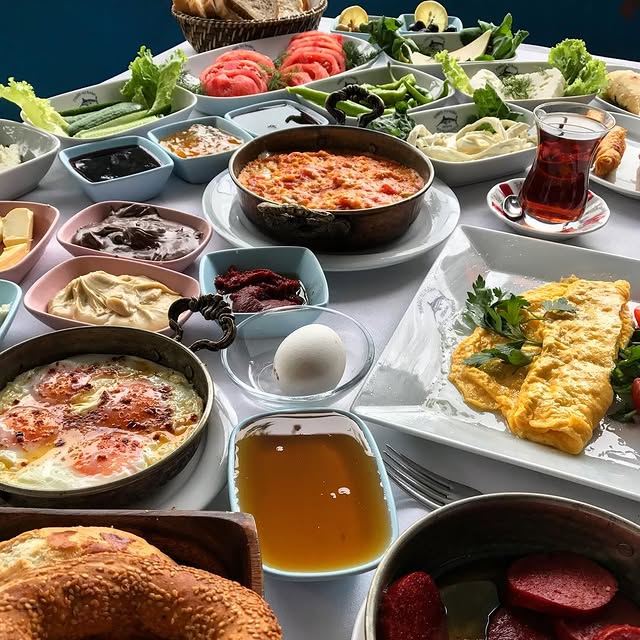
A Turkish seafood dinner is not a main course with an appetiser attached. It is a sequence. Cold meze arrive first — olive-oil vegetables, yogurt-based plates, seafood preserved in oil — and the rakı is poured alongside them. Only after the table has settled does the fish come off the grill, and the meal usually ends with fruit and a strong coffee rather than dessert.
Ordering well means pacing yourself. Two or three cold meze per person, one or two hot starters to share, and then whole fish by weight for the table rather than individual portions. Ask what came in that morning; a good waiter will tell you plainly, and will steer you away from anything that has been sitting too long.
Where Tarihi Ali Baba Balık Lokantası Fits In
The Bosphorus seafood tradition is not confined to one shore. Diners who spend the afternoon among the hills of Beykoz or the piers of Kanlıca often end the evening on the other side of the water — the northern bridges put Sarıyer's coast within easy reach of the Anatolian shore, and the drive itself is part of the evening.
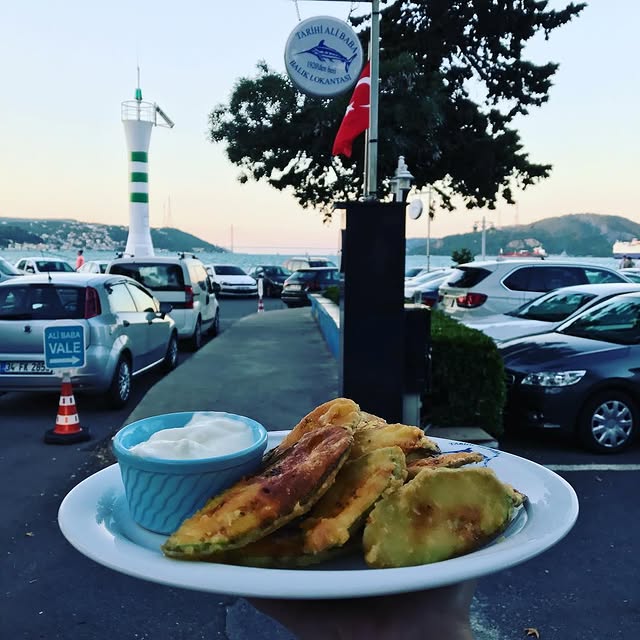
Tarihi Ali Baba Balık Lokantası sits on that coast, in Kireçburnu, Sarıyer, and has been serving seafood since 1920. That length of history does not by itself make a restaurant the right choice for every evening, but it does mean the kitchen has spent decades working with the same strait, the same seasons and the same neighbourhood. For anyone exploring the Bosphorus shore by shore, it is a natural counterpart to an Anatolian-side meal: a Kireçburnu table with a view across the water toward the hills you have just left.
Practical Notes for Planning the Evening
- Reserve ahead for Thursday to Saturday, particularly in autumn and winter when the fish is at its best and the rooms fill quickly.
- Ask about weight when ordering whole fish — it is normal to discuss size and price before it goes on the grill.
- Go by season, not by habit. If lüfer is not running, order what is.
- Allow time. A rakı-balık table is a two-to-three-hour affair; booking early and leaving late is the correct approach.
- Use the ferries if you are staying on the Anatolian side and heading south — the piers at Üsküdar, Kadıköy and Beşiktaş connect easily.
Reserve your table for the freshest seafood and a tradition of taste since 1920. Contact us via WhatsApp for quick reservations with a Bosphorus view.
---
🐟 Historic Ali Baba Seafood Restaurant | 📍 Kireçburnu, Sarıyer, Istanbul | 🌐 alibababaliklokantasi.com | 📞 Reserve via WhatsApp
Frequently Asked Questions
Where can I eat fish on the Anatolian side of the Bosphorus?
The main clusters are Üsküdar, Kuzguncuk and Beylerbeyi in the south; Çengelköy and Vaniköy in the middle; and Kanlıca, Anadolu Hisarı, Beykoz and Paşabahçe further north. The southern districts are easiest to reach by ferry, while the northern ones are quieter and more residential.
Which fish is best in winter in Istanbul?
Hamsi is the signature winter fish, alongside kalkan, mezgit, dil and tekir. Bluefish remains available through much of the colder season in its various sizes. Winter is generally considered the strongest period for wild fish on the Bosphorus.
Is the Anatolian side better than the European side for seafood?
Neither is objectively better; they suit different evenings. The Anatolian side is quieter and more residential, with a strong neighbourhood feel. The European side, particularly around Sarıyer and Kireçburnu, has its own long-established seafood culture. Many people move between the two, and the northern bridges make that easy.
Do I need a reservation at a Bosphorus fish restaurant?
For weekend evenings, yes — especially from September to February. During the week and at lunchtime you have more flexibility, but calling or messaging ahead is always the safer choice, particularly for larger groups.
What is rakı-balık culture?
It is the Turkish tradition of pairing rakı with seafood and a long spread of meze. The meal unfolds slowly: cold meze first, then hot starters, then grilled fish, with rakı served throughout and usually diluted with water.
How do I get from the Anatolian side to Kireçburnu?
Ferries connect the Anatolian piers to the European shore, and the northern Bosphorus bridges link the two sides by road. From Beykoz or Anadolu Hisarı the drive across to Sarıyer is straightforward, which makes it possible to combine both shores in a single evening.
What should I order besides fish?
Meze are the heart of the table — olive-oil vegetables, yogurt-based plates and seafood preserved in oil are the traditional starting points. Ask your waiter which meze are prepared in-house that day, and let the fish course follow rather than compete.
05.11.2026
Featured Publications
Notes on fish season, Bosphorus tables and traditional meze culture.