Contact
- Address:Sariyer Kirecburnu, Istanbul
- Hours:Every day 09:00 - 23:00
- Kitchen:Daily fresh fish and Turkish mezes
- View:Istanbul Bosphorus
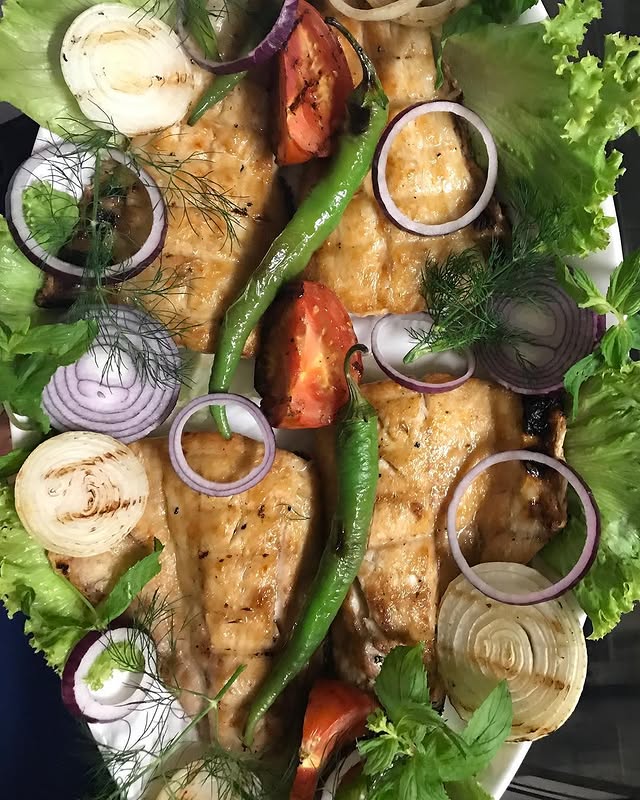
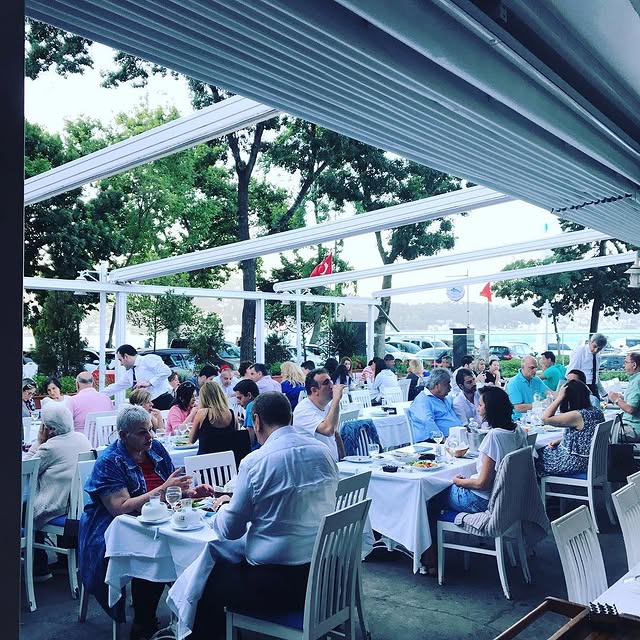
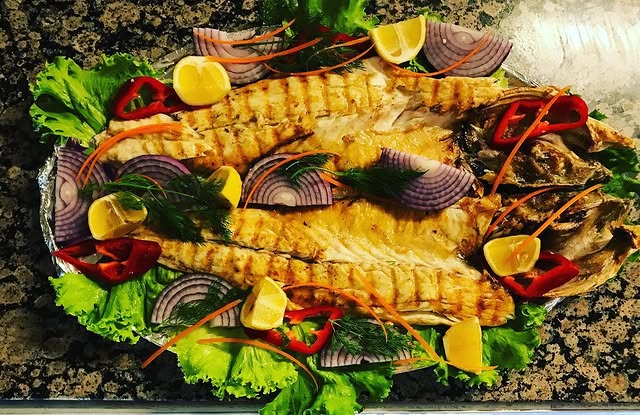
Kireçburnu's Taste Memory: From the 1900s to Ali Baba
Some neighbourhoods are remembered for their views, others for their streets. Kireçburnu is remembered for its table. The Turkish phrase that frames this article — Kireçburnu Fırını'ndan Ali Baba'ya: bir semtin 1900'lerden gelen lezzet hafızası — translates roughly as "from the Kireçburnu bakery to Ali Baba: a neighbourhood's taste memory reaching back to the 1900s." It describes something that is easy to feel and harder to explain: the way certain addresses become part of how a place remembers itself.
On the European shore of the Bosphorus, in the Sarıyer district of Istanbul, that memory has two anchors. One is the everyday anchor — a neighbourhood bakery, the kind of place that structures ordinary mornings. The other is Tarihi Ali Baba Balık Lokantası, a seafood restaurant whose story is bound to the same shoreline and to a history that runs back to 1920. This is an article about what those two kinds of address mean for a district, and about how a fish restaurant becomes part of a neighbourhood's identity rather than simply a place to eat.
What a Neighbourhood Remembers Through Food
Taste memory is not nostalgia. It is more concrete than that. It is the reason a person who moved away from a coastal district twenty years ago can still describe how a street smelled in the early evening, or why a particular table by a window feels familiar before the first plate arrives.
Cities change quickly. Buildings are replaced, streets are rerouted, and waterfronts are redeveloped. Food places are among the few institutions that carry continuity through those changes. They do it in a quiet way: by serving the same categories of dishes at the same time of year, by keeping a rhythm of service that locals learn to rely on, and by existing long enough that a family's memory of a place spans generations.
For a district like Kireçburnu, this is the real meaning of "since the 1900s." It is not a line on a plaque. It is the fact that a neighbourhood has at least one address that was already part of local life when present-day residents were not yet born.
Two Kinds of Address: the Bakery and the Fish Restaurant
The title of this piece begins at a bakery. A neighbourhood bakery represents the daily, repeated side of food life: the short stops, the small purchases, the ordinary rhythm that turns a street into a home ground. It is the layer of a district that nobody photographs but everybody uses.
A fish restaurant operates on a different timescale. It is an occasion rather than a habit — the long table, the shared mezes, the slow evening that begins before sunset and ends with the lights on the water. It marks seasons rather than days.
Together, these two kinds of address describe something useful about a place. A district with both is a district with a complete food life: everyday continuity and celebratory continuity. Kireçburnu, small as it is, has both, and that is part of why the area feels different from the busier stretches of the Bosphorus further south.
Tarihi Ali Baba Balık Lokantası: Continuity Since 1920
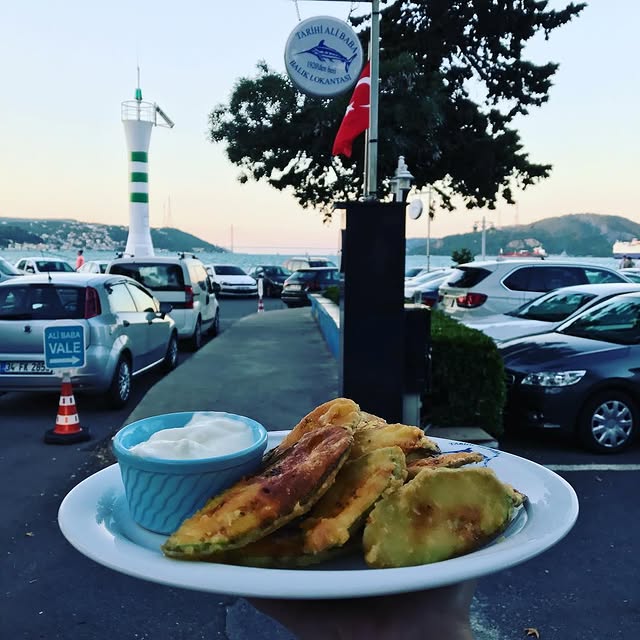
The word tarihi in the restaurant's name simply means "historic." Tarihi Ali Baba Balık Lokantası traces its history back to 1920, which places it among the older seafood restaurants on this coast. It operates today in Kireçburnu, within Sarıyer, and serves its seafood with a Bosphorus view.
For visitors, the practical significance of that history is not the number itself. It is what long continuity usually implies in a seafood restaurant: a working understanding of which fish belong to which months, a fixed sense of how a meze table should be built, and a rhythm of service that does not need to be reinvented each season. These are not claims about specific recipes. They are the ordinary consequences of operating for a long time in one place, on one coast, in a city where seafood is taken seriously.
Reading the Menu Through the Year
People who are new to Istanbul's seafood culture often ask for a fixed recommendation. The more useful answer is that the menu is a calendar.
Following the Season, Not the Calendar
Turkish seafood cooking is organised around migration and water temperature. Fish that are lean and unremarkable in one month can be rich and sought after a few months later. Locals generally know this instinctively and order accordingly; visitors often do not, and that is where a conversation with the restaurant matters more than a printed list.
A simple rule of thumb: ask what has arrived recently rather than what is famous. Freshness in a Bosphorus fish restaurant is a question of days, sometimes hours, so the answer to "what is good today?" is more reliable than any year-round favourite.
The Meze Table as a Record of Taste
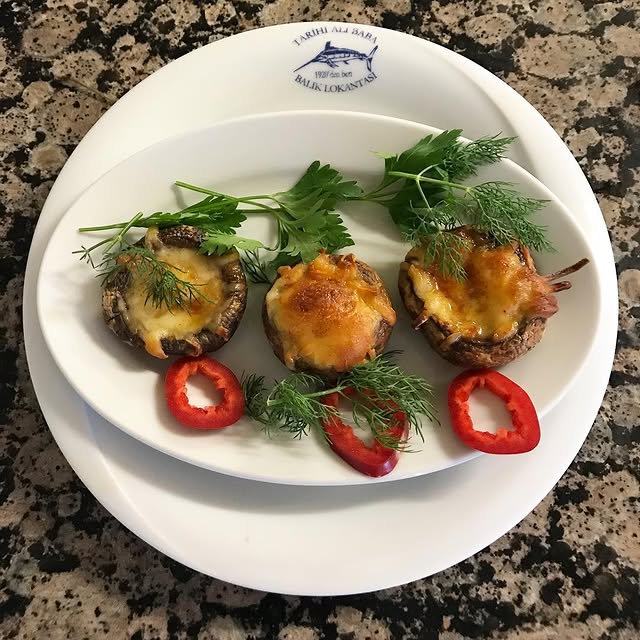
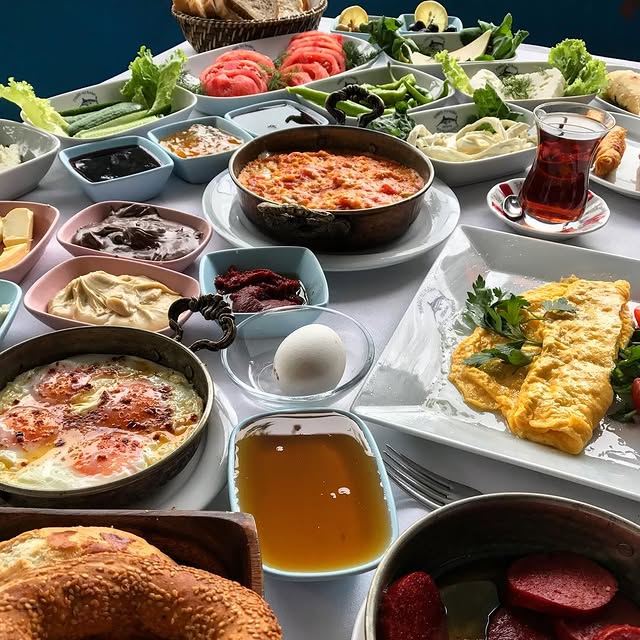
Meze is where a seafood restaurant reveals its habits. The spread is built from vegetables, olive oil, herbs, yogurt, legumes and seafood, and it is assembled with balance in mind: something sharp, something mellow, something green, something rich. A well-built meze table is not a list of dishes but a sequence that prepares the palate for the fish that follows.
Judging a restaurant by its mezes is a fair approach. It shows whether the kitchen treats the beginning of the meal as seriously as the main event.
What to Order if You Are New to Turkish Seafood
- Start light. Begin with a few mezes and a salad rather than ordering everything at once.
- Share the fish. Larger fish are typically prepared to be shared at the table rather than plated individually.
- Keep the drinks simple. Rakı, water and a long evening are the traditional structure; the food is not meant to be rushed.
- Leave room. The end of a rakı-balık meal often includes fruit, and it is part of the experience.
Rakı-Balık: Understanding the Rhythm of the Table
Rakı-balık is not a dish. It is a format — a way of arranging an evening around seafood, meze, conversation and a slow pace. The culture matters because it explains why a Bosphorus fish restaurant looks the way it does: tables that are meant to be occupied for hours, service that unfolds in stages, and a view that is part of the meal rather than an afterthought.
For anyone visiting Istanbul and trying to understand local dining, this rhythm is more informative than any list of dishes. It is also why reservations matter. A table built for a long evening cannot be turned quickly, so demand at good coastal restaurants concentrates in the evening hours.
Kireçburnu, Sarıyer and the Bosphorus: A Practical Geography
Kireçburnu sits on the European shore of the Bosphorus, in the Sarıyer district, on the coastal stretch between Tarabya to the south and Büyükdere to the north. It is a quieter, more residential setting than the restaurant strips closer to the city centre, which is part of its appeal: the water is the same, the pace is not.
This matters for planning. Sarıyer is a large district that stretches far north toward the Black Sea, so "a restaurant in Sarıyer" can mean very different things depending on the exact location. Kireçburnu is on the coastal road, reachable along the shore, and it makes most sense to treat a visit as an evening out rather than a quick stop between other sights.
For travellers, this stretch of coast also offers a useful contrast. The southern Bosphorus is dense with venues; the northern stretch is calmer and closer to how locals actually use the shoreline.
Practical Notes Before You Go
- Match the visit to the season. Seafood is at its most interesting when the water is cold and the fishing calendar is generous.
- Ask about the day's fish rather than ordering from memory.
- Book ahead for evenings, particularly at weekends and in the warmer months, when demand is concentrated.
- Arrive before sunset if you want the view to be part of the meal.
- Allow time. A rakı-balık table is not a fast dinner, and the experience depends on that.
A Reason to Reserve
Reserve your table for the freshest seafood and a tradition of taste since 1920. Contact us via WhatsApp for quick reservations with a Bosphorus view.
---
🐟 Historic Ali Baba Seafood Restaurant | 📍 Kireçburnu, Sarıyer, Istanbul | 🌐 alibababaliklokantasi.com | 📞 Reserve via WhatsApp
Frequently Asked Questions
Where can I eat fish in Kireçburnu?
Kireçburnu is on the Bosphorus coast within Sarıyer, and seafood is part of the area's character. Tarihi Ali Baba Balık Lokantası is located in Kireçburnu and serves seafood with a Bosphorus view, with a history dating back to 1920.
What does "tarihi" mean in the restaurant's name?
Tarihi is Turkish for "historic." It refers to the restaurant's long-standing presence rather than to a specific title or award.
Does the restaurant have a Bosphorus view?
Yes. The restaurant is positioned in Kireçburnu on the Bosphorus, and the view over the water is part of the setting for the meal.
Which fish should I order in Istanbul?
Rather than fixing on a single fish, ask what is in season and what has arrived recently. Turkish seafood menus change through the year, and the freshest option in a given week is usually the better choice.
Do I need a reservation?
Reservations are recommended, especially for evening tables and weekends. A rakı-balık meal typically lasts several hours, so tables are limited by nature. Booking via WhatsApp is the quickest way to confirm availability.
Is Kireçburnu in Sarıyer?
Yes. Kireçburnu is a neighbourhood on the European shore of the Bosphorus, within the Sarıyer district of Istanbul, on the coastal stretch between Tarabya and Büyükdere.
13.11.2026
Featured Publications
Notes on fish season, Bosphorus tables and traditional meze culture.