Contact
- Address:Sariyer Kirecburnu, Istanbul
- Hours:Every day 09:00 - 23:00
- Kitchen:Daily fresh fish and Turkish mezes
- View:Istanbul Bosphorus
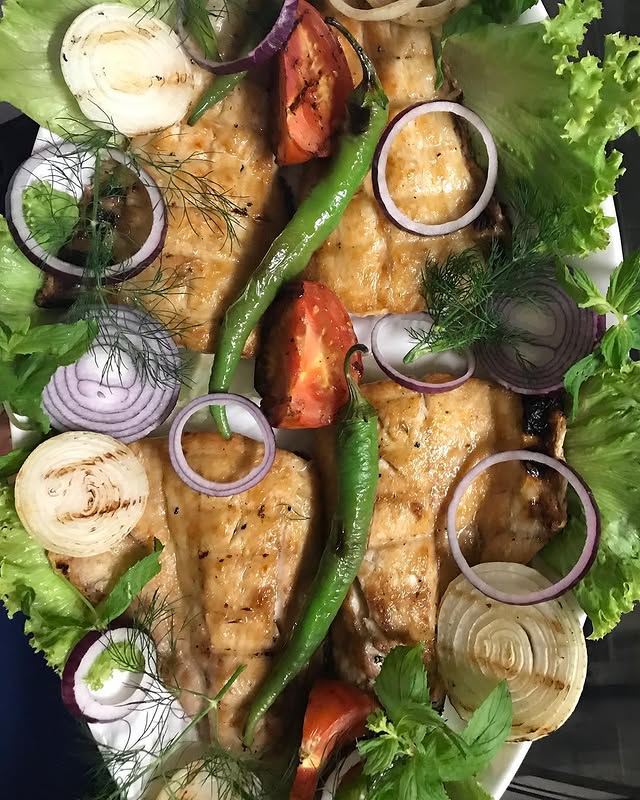
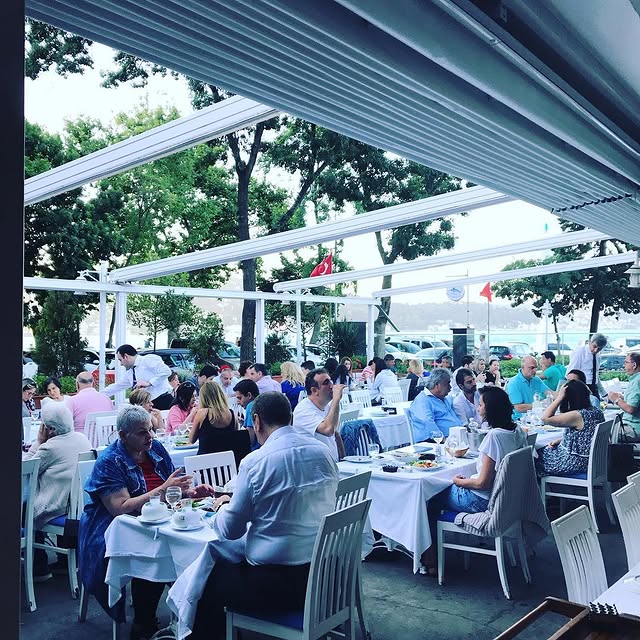
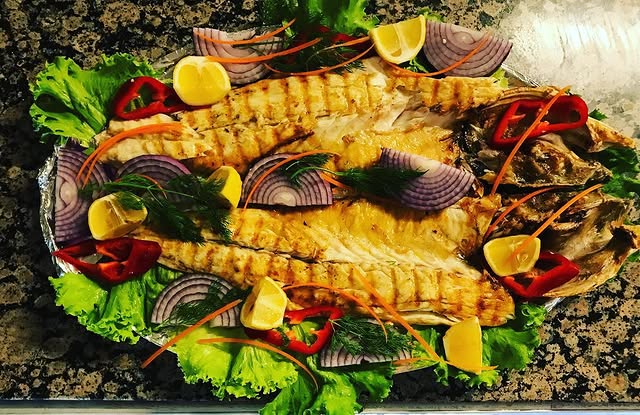
Historic Seafood Dining Since 1920 in Kireçburnu
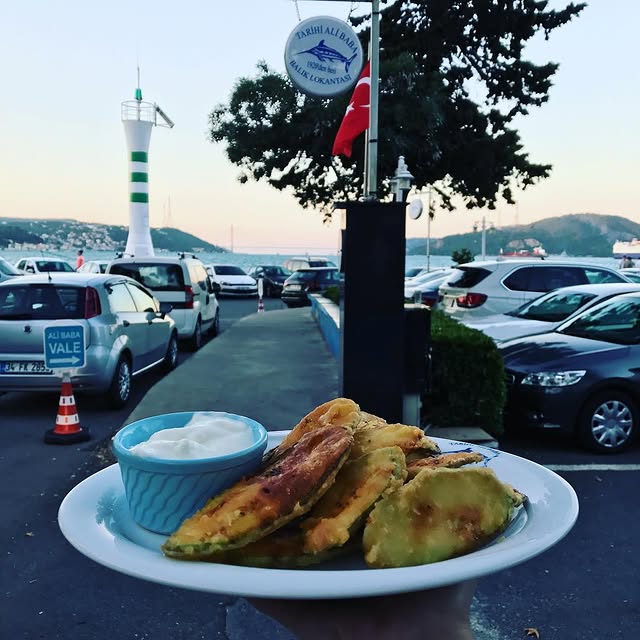
Historic Seafood Dining Since 1920 in Kireçburnu is more than a description — it is the address that historic seafood dining Istanbul has quietly trusted for over a century. Tarihi Ali Baba Balık Lokantası stands a few steps from the water's edge in Kireçburnu, on the Sarıyer shore, where the Bosphorus narrows and the current turns a deeper, colder blue. The fish arrives with the morning boats, the mezes are laid out before the first guests arrive, and the tables are set almost exactly as they were when the doors first opened in 1920. If you are looking for the best fish restaurant in Istanbul — one built on seasonality rather than shortcuts — this is where the conversation usually begins.
There is a reason locals treat a table here as a small family inheritance. It is not the view alone, and it is not nostalgia alone. It is the discipline of a kitchen that has refused, for more than a hundred years, to serve anything that did not deserve the Bosphorus.
Why Tarihi Ali Baba Balık Lokantası Defines Historic Seafood Dining in Istanbul
A Century of Continuity on the Same Shore
Many restaurants in Istanbul have history. Very few have continuity. Tarihi Ali Baba has never chased trends: it has kept the same shoreline, the same philosophy of buying from small boats, and the same charcoal grill that has seasoned generations of fish. The kitchen's oldest methods — grilling over embers, gently frying çıtır hamsi to a brittle crisp, steaming takoz palamut so the centre stays moist — were never modernised because they never needed to be.
What you taste is a chain of decisions made daily: which fisherman sold the best catch this morning, which mezes are in their peak moment, whether the lüfer is fat enough to grill or better left for another week.
The "Ali Baba" Tradition of Hospitality
The name Ali Baba carries a specific meaning in Turkish dining culture: a host who feeds you first and asks questions later. Expect a table that fills quickly, plates that keep arriving, and a waiter who tells you honestly when a fish is not at its best. That honesty is the quiet luxury of a historic seafood restaurant — it is expertise offered as care, not performance.
You can read more about how this table is built in our guide to the meze table and Istanbul's cold appetizers.
Seasonal Freshness: The Bosphorus Calendar on Your Plate
The Bosphorus has a calendar, and the kitchen follows it. In Türkiye, fishing is regulated by season, and every species has a month when its flesh is firm, oily and sweet — and months when it is simply not worth serving.
Which Fish, Which Month?
- Lüfer (bluefish): September to late December. As the water cools, the lüfer gains fat and its flesh becomes dense and buttery. This is the most celebrated fish of the Bosphorus — see our month-by-month lüfer season guide.
- Palamut (bonito): September to December. Early-season palamut is lean; by November the takoz cuts are rich and ruby-fleshed. Grilled or paper-wrapped in the oven.
- Kalkan (turbot): November to March. A flat fish with gelatinous, delicate meat. Best simply grilled or lightly floured — anything heavier masks its texture.
- Hamsi (anchovy): November to February, when the Black Sea anchovy runs through the strait. Served crisp-fried, in a pan, or as hamsi kuşu.
- Levrek and çipura (sea bass, sea bream): Available year-round from responsible farms; wild caught is at its best in the warmer months.
- Sardalya (sardine): May to August, when the grill and the evening air do most of the work.
Why does this matter? Because a fish eaten in the wrong month tastes like a different fish entirely. A September lüfer and a December lüfer are not the same ingredient. Seasonality is not marketing language here — it is kitchen policy.
How Meze Should Be Eaten
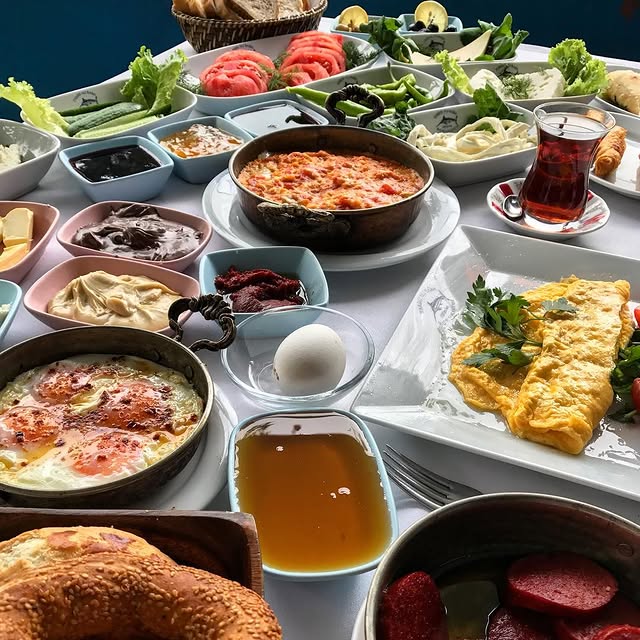
A proper meze table is not a starter course; it is a conversation. The rhythm matters:
- Begin with olive-oil classics: deniz börülcesi, fasulye pilaki, enginar.
- Move to dairy and smoke: haydari, isli meze (smoked fish), lakerda in winter.
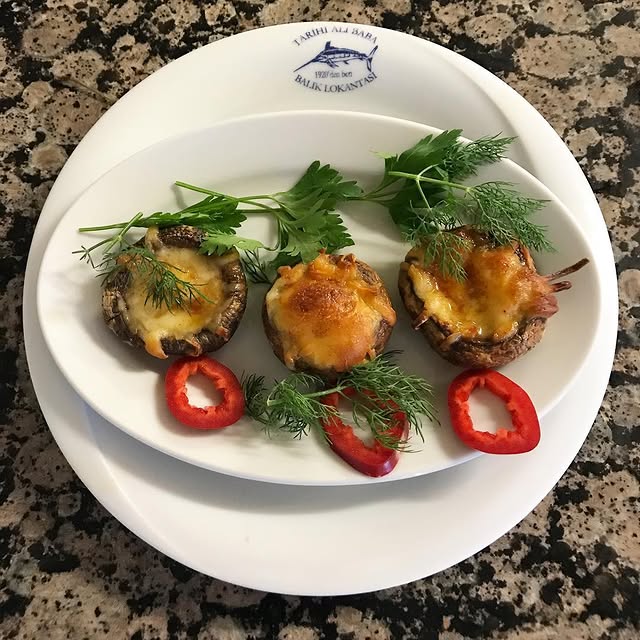
- Add one or two warm plates: fried midye tava, calamari, karides güveç.
- Pause. Then let the fish arrive.
Meze is designed to be shared, and it is designed to slow you down. In the rakı-balık culture, this is not a delay before dinner — it is dinner, at least for the first hour.
What to Expect at the Table: A Rakı-Balık Ritual
The Meze Table
The meze trolley is a ritual in itself. Ask what was made today. In winter, look for lakerda and smoked bonito; in summer, for lighter vegetable mezes and plenty of lemon. Cold mezes are dressed with the restaurant's own olive oil, and the balance is deliberately restrained so the fish can speak later.
Main Courses and Traditional Cooking Methods
- Grilled over charcoal — the default for lüfer, kalkan, levrek, çipura.
- Fried — reserve this for hamsi, sardalya, small red mullet (barbun).
- Oven-baked in paper — for palamut and thicker cuts that benefit from steam.
- Stewed with vegetables — winter dishes, often with onion, tomato and bay.
The kitchen's rule since 1920 has stayed constant: the simpler the method, the fresher the fish must be. Nothing is hidden behind sauce.
Quick Answer: What Should I Order on a First Visit?
For two people: three or four cold mezes, one warm meze, a shared grilled fish at its seasonal peak, and a green salad. Ask your waiter which fish came in that morning — that answer will always be better than any menu.
The Bosphorus View and the Kireçburnu Atmosphere
Kireçburnu, Sarıyer: The Quiet Side of the Bosphorus
Kireçburnu sits between Tarabya and Yeniköy, on the European side, where the Bosphorus begins to feel less like a city and more like a strait again. It is calmer than the crowded waterfronts further south. In summer, the far shore is lit gold at sunset; in winter, the water turns slate-grey and the smell of the sea follows you inside. Explore the neighbourhood in our Kireçburnu and Sarıyer local guide.
The Sound of the Waves, the Scent of the Kitchen
Dining here is a sensory record. The sound of water against the sea wall. The cool mineral smell of just-opened fish. Olive oil, lemon zest, and charcoal smoke moving through the room. It is the reason guests who came here as children now bring their own families — a seafood restaurant recommendation Istanbul residents pass down rather than advertise.
For a deeper look at the drinking and dining rituals, read our piece on rakı-balık culture in Istanbul.
Planning Your Evening: Practical Notes
- Best time for the view: arrive before sunset, request a waterfront table when booking.
- Best time for the fish: between October and February, when lüfer, palamut, kalkan and hamsi overlap.
- Vegetarians: meze-heavy tables work beautifully — say so in advance.
- Budget: expect a wide range; the price follows the fish, not the room.
- Getting there: taxis and buses from Sarıyer or Yeniköy; parking is limited, so an early arrival helps.
If you want the definitive answer to which is the best seafood restaurant in Istanbul, it is rarely the loudest one — it is the one that tells you to wait a week for better fish.
Reserve Your Table on the Bosphorus
Reserve your table for the freshest seafood and a tradition of taste since 1920. Contact us via WhatsApp for quick reservations with a Bosphorus view.
---
🐟 Historical Ali Baba Fish Restaurant
📍 Kirecburnu, Sariyer, Istanbul
🌐 alibababaliklokantasi.com
📞 The Taste of Bosphorus Since 1920
#bosphorusview #dinnerbythesea #istanbulrestaurants #luxuryexperience #seafoodlover #alibabafish #bosphorusseafood #istanbulfishrestaurant
Frequently Asked Questions
Why is Kireçburnu considered a special place for Bosphorus seafood dining?
Kireçburnu is one of the few spots on the European shore where a restaurant sits almost directly on the water, away from the heaviest traffic of the southern Bosphorus. Combined with Sarıyer's fishing tradition, it means shorter journeys from boat to kitchen — and that freshness is what defines historic seafood dining Istanbul is known for.
Which month is best for eating lüfer in Istanbul?
Lüfer is at its peak from late September until December, and often into early January. As the water temperature drops, the fish puts on fat and its flesh firms up — this is when grilling releases the most flavour. Outside that window, we usually recommend palamut, kalkan, or another fish that is genuinely in season.
Do I need a reservation, and how far in advance?
Yes, especially for evening tables. Bosphorus-view tables are limited, and weekends fill quickly. For the best seats, book two to four days ahead in autumn and winter. WhatsApp is the fastest way to confirm a table and request a waterfront position.
What should I order if I am visiting for the first time?
Start with four to five cold mezes and one warm meze, then share a grilled fish at its seasonal best. Let the waiter guide you — the freshest arrival of the day is always the right answer. Finish with a simple dessert or Turkish coffee.
Is Tarihi Ali Baba a good choice for large groups or family celebrations?
Yes. Meze is designed for sharing, and large tables are part of the restaurant's tradition. For groups of eight or more, contact us in advance so the kitchen can plan fish quantities and seating accordingly.
What is rakı-balık culture, and should I try it?
Rakı-balık is the traditional Turkish pairing of rakı with seafood and a long, unhurried meze table. Rakı is served diluted with water and sipped slowly between bites. It is optional, of course — but it is the way this table was designed to be enjoyed.
Do you serve non-fish options?
Yes. The meze selection includes many vegetable and olive-oil dishes, and there are grilled options beyond fish. Mention your preferences when booking and the kitchen will build a balanced table for your group.
28.09.2026
Featured Publications
Notes on fish season, Bosphorus tables and traditional meze culture.