
Contact
- Address:Sariyer Kirecburnu, Istanbul
- Hours:Every day 09:00 - 23:00
- Kitchen:Daily fresh fish and Turkish mezes
- View:Istanbul Bosphorus
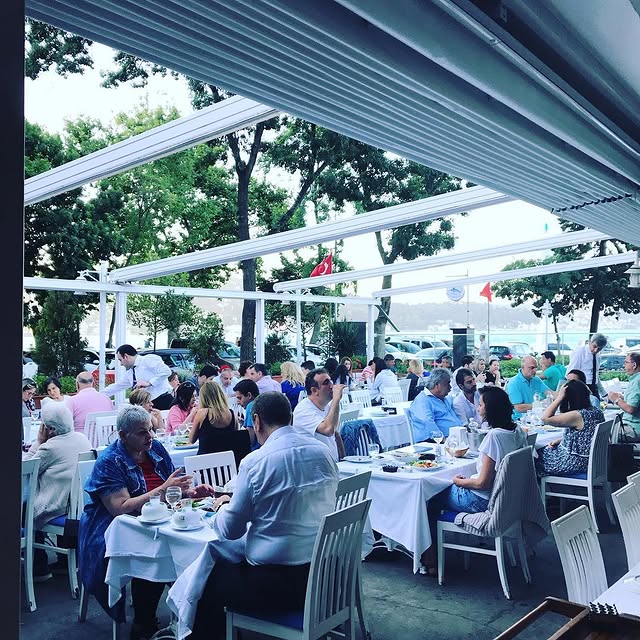
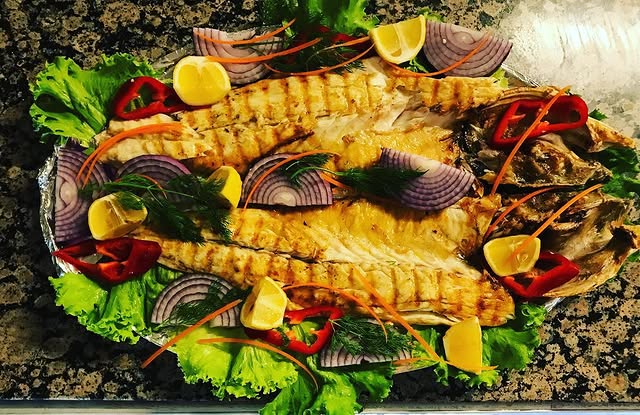
Where to Enjoy Fish on the Bosphorus in Istanbul
Ask anyone in Istanbul where to eat fish and the conversation usually turns north. The Bosphorus narrows, the city thins out, and the shoreline from Beşiktaş up toward Sarıyer becomes a string of neighbourhoods where seafood is not a trend but a habit. If you are looking for the most beautiful places to enjoy fish on the Bosphorus, the honest answer is that "most beautiful" depends on what you want from the evening: a wide view of the strait, a quiet residential street, a table close to the water, or a kitchen that has been cooking the same way for decades.
This guide does not hand out rankings. Instead, it explains what actually separates a memorable Bosphorus fish dinner from a disappointing one, how the seasons change what lands on your plate, and why the Sarıyer–Kireçburnu stretch deserves a place on your shortlist.
What Makes a Bosphorus Fish Restaurant Worth the Trip
Waterfront location alone is not enough. Plenty of places along the strait have a view and little else. The restaurants that stay in memory tend to share a few practical qualities:
- Freshness you can taste, not just read about. Fish should smell of the sea, not of the refrigerator. A kitchen confident in its supply will tell you honestly what arrived that morning.
- Seasonal honesty. A serious seafood kitchen will steer you away from a fish that is out of season rather than sell it to you anyway.
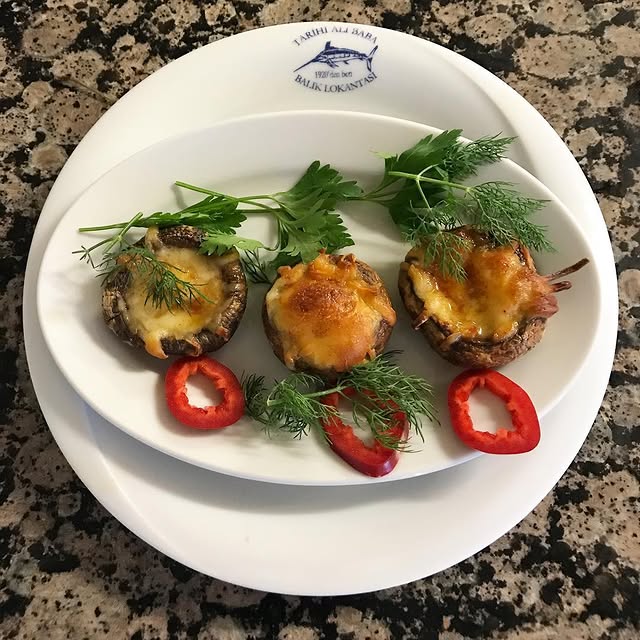
- A real meze kitchen. Meze is not a side dish in Turkish seafood culture; it is half the meal and a good indicator of how much attention the kitchen pays to detail.
- A view that serves the meal. A table facing the water is worth more when the room is calm enough to enjoy it.
- Comfortable pacing. A fish dinner is long by design. Courses should arrive with time to breathe between them.
- Character. Some places feel like they could exist anywhere. Others carry the imprint of the neighbourhood they belong to.
Keep these criteria in mind and you will choose well almost anywhere along the Bosphorus.
Why the Northern Bosphorus Feels Different
The southern stretches of the strait — Ortaköy, Bebek, Arnavutköy — are beautiful and busy. Further north, past the second bridge, the mood shifts. Traffic thins, the hills rise more steeply, and the neighbourhoods feel less like destinations and more like places where people actually live.
Sarıyer and its shoreline
Sarıyer has long been associated with fishing and seafood in Istanbul. The district sits close to the Black Sea mouth of the Bosphorus, where the water is cooler and the current stronger, and its food culture reflects that proximity to the water. For anyone researching where to eat fish in Istanbul beyond the obvious central spots, Sarıyer is a natural next step.
Kireçburnu
Kireçburnu is a small, quiet neighbourhood on the Sarıyer coast, tucked between the coastal road and the water. It is the kind of place where a fish dinner feels like part of the neighbourhood rather than an event staged for visitors. If you want the Bosphorus without the crowd, this stretch is worth knowing.
Seasonal Fish: How the Menu Changes Through the Year
One of the pleasures of eating seafood in Istanbul is that the menu is never truly fixed. Turkish kitchens follow the migration of fish through the Bosphorus, and the best meals are the ones that follow along.
Late autumn and winter
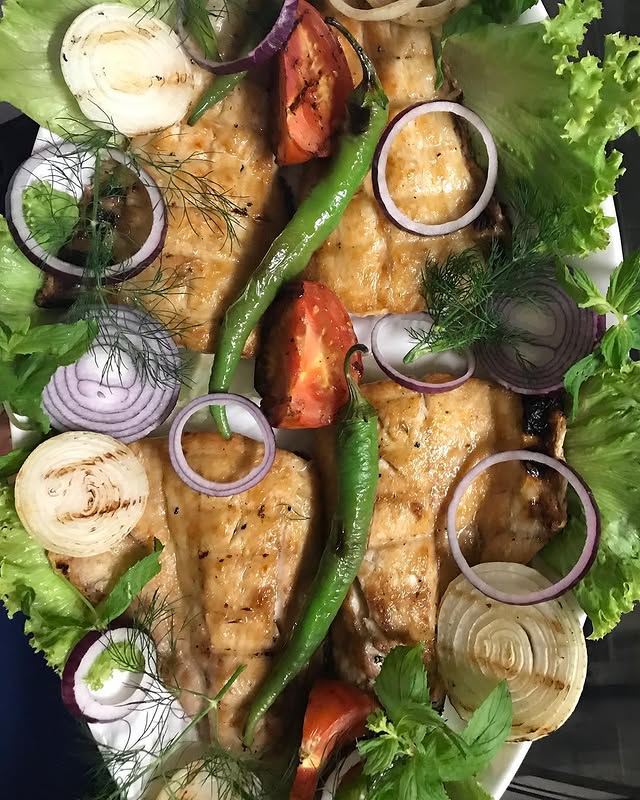
Colder water brings the fish many Istanbul diners wait for all year. This is the season for richer, oilier species, often served grilled or fried, and hamsi in particular becomes a fixture of winter tables. Restaurants tend to simplify their cooking in these months and let the fish speak.
Spring and summer
Warmer months favour lighter preparations. Smaller fish, shellfish, and cold meze come to the foreground, and the long daylight makes an early evening table by the water especially appealing. If you are visiting Istanbul between May and September, an unhurried dinner as the light fades is one of the simplest pleasures the city offers.
A note on meze and rakı
The rakı–balık table is a structure, not a menu item. It usually begins with cold meze — vegetable dishes, herb-based plates, olive oil preparations — moves through warm starters and seafood, and finishes with fruit. Rakı is traditional but never obligatory; a long dinner works just as well with water, ayran or wine. The point is the pace.
Tarihi Ali Baba Balık Lokantası: A Kireçburnu Address Since 1920
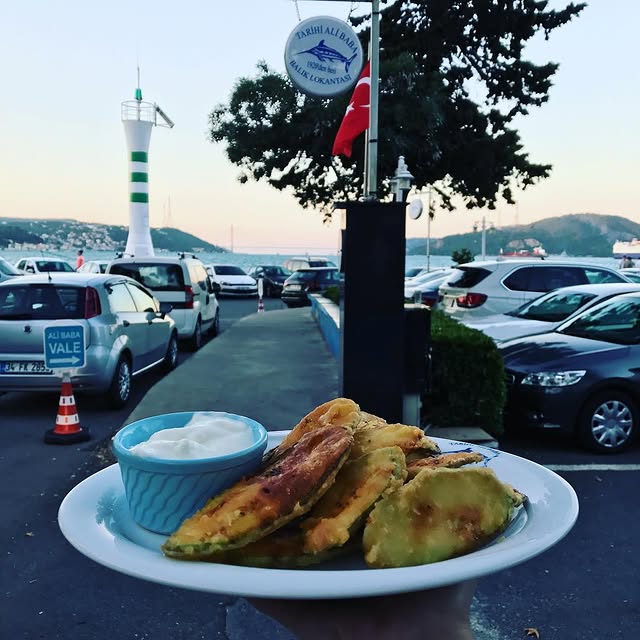
Tarihi Ali Baba Balık Lokantası sits in Kireçburnu, on the Sarıyer coast, and has been part of the area's seafood culture since 1920. That kind of continuity is rare in a city that changes as quickly as Istanbul, and it shapes the experience: a Bosphorus setting, a seafood-focused kitchen, and the sense of eating in a place that has hosted generations of the same neighbourhood.
It is not the only option along the strait, and it does not need to be. What makes it relevant to this topic is the combination visitors usually look for — a genuine Bosphorus location, a long-established identity, and a menu built around fish and seafood rather than around spectacle.
Practical Advice for Planning a Bosphorus Fish Dinner
A little planning makes a noticeable difference to the evening.
- Time your arrival. Late afternoon into early evening gives you daylight on the water and a relaxed start. Weekend evenings in summer fill up quickly.
- Think about how you will get there. The coastal road runs the length of the European shore, and the Sarıyer line is well served by public transport and taxis. If you are coming from the city centre, allow more time than the map suggests.
- Ask what is fresh. Any good seafood kitchen will answer this without hesitation. It is the single most useful question you can ask.
- Order in stages. Start with cold meze, add warm starters, then choose fish. Ordering everything at once usually means something arrives before you are ready for it.
- Reserve ahead. Waterfront tables are limited, especially on weekends and during the warmer months.
If you are staying in Beşiktaş, Şişli or the historic peninsula, Kireçburnu is a short drive north along the coast and feels considerably removed from the city's busier dining districts.
Reserve your table for the freshest seafood and a tradition of taste since 1920. Contact us via WhatsApp for quick reservations with a Bosphorus view.
---
🐟 Historic Ali Baba Seafood Restaurant | 📍 Kireçburnu, Sarıyer, Istanbul | 🌐 alibababaliklokantasi.com | 📞 Reserve via WhatsApp
Frequently Asked Questions
Where can I eat fish on the Bosphorus in Istanbul?
Fish restaurants are spread along both shores of the strait, from Beşiktaş and Ortaköy in the south up to Sarıyer and the Black Sea mouth in the north. The southern neighbourhoods are easier to reach from the centre; the northern stretch, including Kireçburnu, tends to be quieter and more residential.
Which area is better for a Bosphorus seafood dinner — Sarıyer or the city centre?
It depends on the evening you want. Central districts offer convenience and easy access to other sights. Sarıyer and Kireçburnu offer a calmer setting, a stronger sense of local life, and a shorter distance to the northern Bosphorus. Visitors with a free evening often find the northern coast worth the extra travel time.
What should I order at a Turkish seafood restaurant?
A typical meal moves from cold meze to warm starters, then to fish, followed by fruit or a light dessert. Ask which fish is in season and how the kitchen recommends preparing it. If you are new to rakı, it can be ordered alongside the meal, but it is entirely optional.
When is the best time to visit a Bosphorus fish restaurant?
Spring through early autumn is the most comfortable period for sitting near the water, with long daylight hours and mild evenings. Winter has its own appeal, mainly for the seasonal fish that arrive with the colder water. Weekday evenings are generally calmer than weekends.
Do I need a reservation for a fish dinner on the Bosphorus?
For a table with a water view, especially on a weekend or during summer, reserving in advance is strongly recommended. Contacting the restaurant directly — by phone or WhatsApp — is usually the fastest way to confirm availability.
Which fish is in season right now?
Seasonality shifts throughout the year, so the most reliable answer comes from the kitchen itself on the day you visit. Istanbul's fish markets and restaurants follow the migration through the Bosphorus closely, and a good restaurant will happily tell you what arrived fresh that morning and what is best avoided.
03.10.2026
Featured Publications
Notes on fish season, Bosphorus tables and traditional meze culture.