Contact
- Address:Sariyer Kirecburnu, Istanbul
- Hours:Every day 09:00 - 23:00
- Kitchen:Daily fresh fish and Turkish mezes
- View:Istanbul Bosphorus
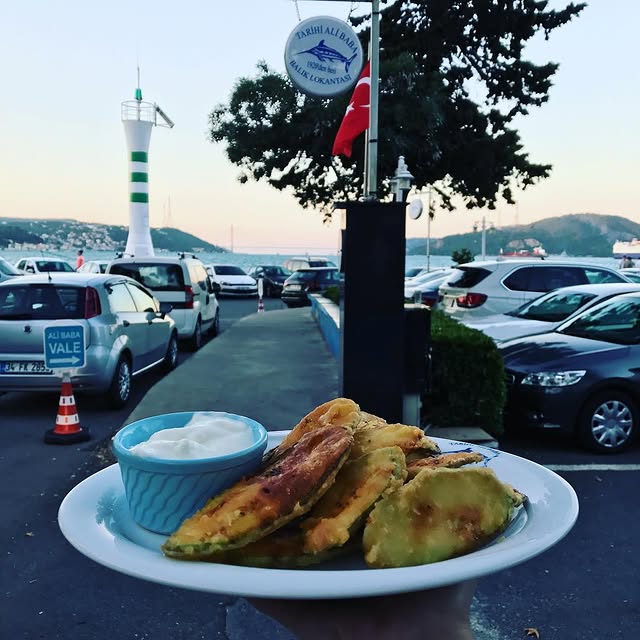
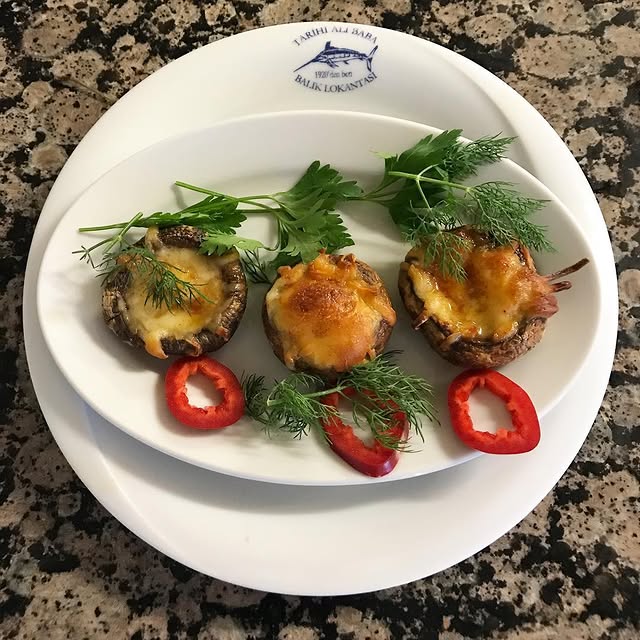
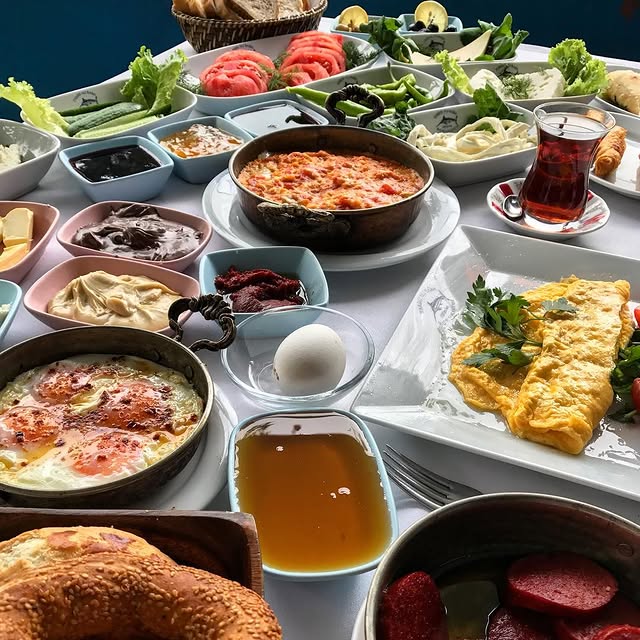
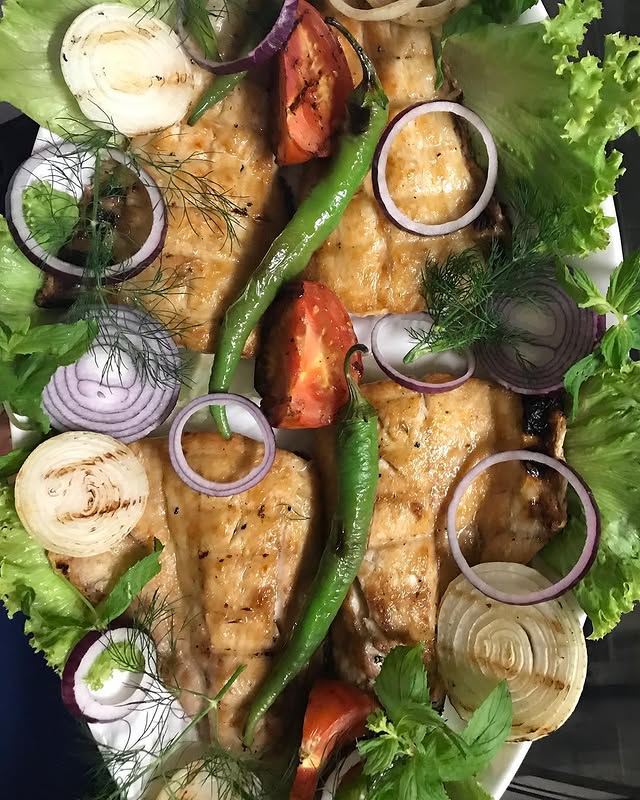
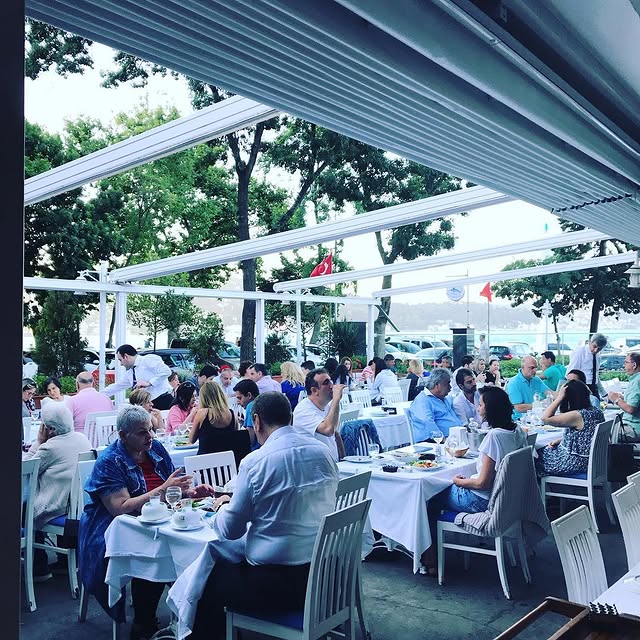
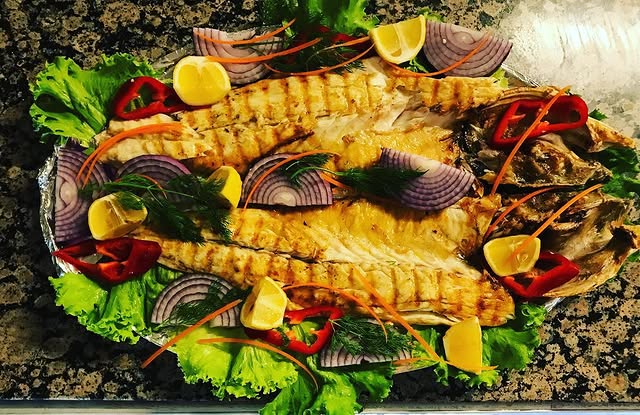
Lakerda, Fava and Classic Fish Mezes on the Bosphorus
Lakerda, fava and classic fish mezes on the Bosphorus are not merely appetizers — they are the opening movement of a long, slow Istanbul evening. Before the grilled fish ever reaches the table, the meze tray arrives: small white plates, a curl of cured bonito glistening with olive oil, a smooth mound of fava dusted with dill, the sharp perfume of vinegar and garlic rising into the salty air. At Tarihi Ali Baba Balık Lokantası in Kireçburnu, this ritual has been repeating itself since 1920, and it remains the most honest introduction to Turkish seafood culture you will ever taste.
If you are searching for a seafood restaurant recommendation in Istanbul, start here — not with the fish, but with the mezes. They tell you everything about the kitchen behind them.
Why Meze Is the Soul of a Bosphorus Seafood Table
The Meze Table as a Ritual
In Turkish dining culture, the meze table is a democracy of small plates. Nobody is a side dish. Each bowl has a job: one cleanses the palate, one sharpens the appetite, one softens the bite of rakı, one prepares you for the next fish. A well-built meze spread moves in waves — cold first, then warm, then the seafood, then the fruit.
Guests often ask us what to order first. Our answer is always the same: let the cold mezes arrive all at once and take your time. This is not a rushed course. It is the conversation itself.
Rakı-Balık Culture: The Rhythm of the Night
Rakı-balık culture is built on a simple rhythm — sip, taste, talk, repeat. Rakı is diluted with cold water, the ice is added slowly, and the glass is never filled to the brim. Between sips, lakerda and fava do the quiet work of balancing the anise. If you would like to understand this tradition more deeply, our guide to the art of rakı-balık culture on the Bosphorus is a good place to begin.
Why Tarihi Ali Baba Balık Lokantası Sets the Standard
A House Standing Since 1920
Tarihi Ali Baba Balık Lokantası sits in Kireçburnu, on the Sarıyer shore of the Bosphorus, where the current runs fast and the fish arrive still cold from the water. More than a hundred years of service have taught us one thing: freshness cannot be faked, and tradition cannot be rushed. Our mezes are still prepared by hand each morning — the bonito cured in salt, the fava cooked slowly until it turns to silk.
Many locals will tell you this is the best seafood restaurant in Istanbul, and we accept that compliment humbly, one table at a time.
What Makes Our Lakerda Different
Lakerda is a test of patience. We salt the bonito in the traditional way, press it, rest it, and let time do the work that no shortcut can imitate. The result is firm, ruby-red, faintly sweet, and never aggressively salty. Served with thin rings of red onion, a thread of olive oil, and a wedge of lemon, it is the single most Turkish bite on the table.
Lakerda, Fava and the Classic Trio: A Culinary Deep Dive
Lakerda — The Cured Bonito of Istanbul
Lakerda is made from torik, the large bonito that enters the Bosphorus during its autumn migration. When the fish is at its fattest, the flesh cures into something dense and luxurious. Eat it in thin slices, not chunks. Let it sit on your tongue before you reach for the rakı — the sweetness arrives late and stays long. Our Bosphorus fish season calendar explains exactly when torik and other migratory fish pass through the strait.
Fava — The Velvet of the Meze Table
Fava in Turkey is not a broad bean. It is dried broad beans cooked down with onion and sugar until they collapse into a smooth paste, then finished with olive oil, lemon, and a snowfall of fresh dill. Good fava should never be grainy. It should taste faintly sweet, distinctly green, and cool against the tongue. It is the gentlest plate on the table — and often the first one to be scraped clean.
The Supporting Cast: Isli Meze, Deniz Börülcesi, Tarama
- Isli meze (smoked fish meze): cold-smoked bonito or mackerel, blended with olive oil and lemon into a smoky, spreadable cream.
- Deniz börülcesi: samphire from the Aegean and Marmara coasts, blanched and dressed with garlic, lemon, and olive oil — a salty, crunchy taste of the sea.
- Tarama: whipped fish roe, pale pink and airy, made with bread soaked in milk rather than heavy cream.
- Yaprak sarma: vine leaves stuffed with rice, pine nuts, and currants — not seafood, but essential to the balance of the table.
- Atom: dried red pepper with yogurt and garlic, for those who want heat alongside their rakı.
Our kitchen follows the same Turkish meze culture guide we have kept for generations: seasonal, handmade, and never over-seasoned.
Seasonal Freshness: How to Enjoy Each Meze Through the Year
Winter: Lakerda Season and the Return of Hamsi
Winter is the season of fat, oily fish — and therefore the season of the most generous meze table.
- Lakerda is at its peak from late autumn through February, when torik is at its richest.
- Hamsi (anchovy) arrives with the cold; our çıtır hamsi is fried so lightly that the tail shatters between your fingers.
- Isli meze is traditionally a winter preparation, made to preserve the autumn catch.
- Pair these with a chilled rakı or a light Kırklareli white.
Spring and Summer: Lighter Mezes, Bass and Bream
When the water warms, the table lightens.
- Fava becomes the anchor of the spread, served colder and with more lemon.
- Deniz börülcesi reaches its tender best in spring.
- Levrek (sea bass) and çipura (sea bream) are grilled whole over charcoal — simple, salted, and finished with olive oil.
- Kalkan (turbot) is a late-winter into early-spring luxury; its flesh is gelatinous and sweet, best cooked on the bone.
- Lüfer belongs to autumn, when it swims in from the Black Sea with a layer of fat that makes it one of the finest eating fish in the world.
Our team will always tell you honestly which fish is worth ordering that day — and which one to wait for. More on that in our guide to Bosphorus-view dining in Sarıyer.
What to Order: A Table Plan from Meze to Main
If you are visiting for the first time, this is how we would build your evening:
- Cold mezes (4–6 plates): lakerda, fava, deniz börülcesi, tarama, yaprak sarma, isli meze.
- Warm starter: fried hamsi in winter, calamari or grilled octopus in warmer months.
- Rakı or a Bosphorus white wine: served slowly, with plenty of cold water.
- Main fish: choose by season — lüfer in autumn, kalkan in late winter, levrek or çipura year-round.
- Finish: a small plate of seasonal fruit and a Turkish coffee.
Expect the table to take two to three hours. That is not slowness; that is the point.
The Bosphorus at the Table: Kireçburnu, Waves and a Century of Tradition
Kireçburnu is one of the last quiet corners of the Bosphorus. The restaurant sits close enough to the water that you can hear the waves between sentences. In summer, the light on the strait turns gold around seven in the evening. In winter, the ferries pass with their windows glowing and the smell of grilled fish fills the room.
This is what a hundred years of service actually means: the same shore, the same mezes, the same insistence that the fish be fresh and the welcome be warm. Tarihi Ali Baba Balık Lokantası is not a concept — it is a house that has been feeding Istanbul since 1920.
Reserve Your Table for a Bosphorus Evening
Reserve your table for the freshest seafood and a tradition of taste since 1920. Contact us via WhatsApp for quick reservations with a Bosphorus view.
---
🐟 Historical Ali Baba Fish Restaurant
📍 Kirecburnu, Sariyer, Istanbul
🌐 alibababaliklokantasi.com
📞 The Taste of Bosphorus Since 1920
---
Frequently Asked Questions
What is lakerda and when is it best eaten?
Lakerda is cured bonito — salted, pressed, and rested in the traditional Istanbul method until the flesh turns firm and ruby-red. It is at its best from late autumn through February, when torik is fattest. It is served in thin slices with red onion, olive oil, and lemon.
Is Turkish fava vegetarian?
Yes. Turkish fava is made from dried broad beans, onion, olive oil, and a little sugar, finished with dill and lemon. It contains no meat, fish, or dairy, making it one of the most popular vegetarian mezes on a Bosphorus table.
What should I order first at a Turkish fish restaurant?
Start with cold mezes such as lakerda, fava, tarama, and deniz börülcesi, then move to a warm starter, and only then choose your main fish by season. Ordering the fish first usually means missing the best part of the meal.
Which fish are in season in Istanbul right now?
Winter brings hamsi and lakerda; autumn is the season of lüfer and palamut; late winter and early spring are for kalkan; levrek and çipura are excellent year-round. Ask your waiter on the day — we only serve what is genuinely fresh.
Is Tarihi Ali Baba Balık Lokantası suitable for families and groups?
Absolutely. Our meze table is designed for sharing, and we host families, couples, and larger groups throughout the year. Let us know the size of your party when you reserve so we can arrange the right table.
How do I reserve a table with a Bosphorus view?
The fastest way is WhatsApp. Send us your date, time, and number of guests, and we will confirm your table — including waterfront seating whenever it is available. Weekend evenings book quickly, so we recommend reserving a few days in advance.
Do you serve options for guests who do not eat seafood?
Yes. Our meze selection is generous and largely vegetarian, and we also offer grilled meat and seasonal salads, so every guest at the table is well looked after.
24.09.2026
Featured Publications
Notes on fish season, Bosphorus tables and traditional meze culture.