Contact
- Address:Sariyer Kirecburnu, Istanbul
- Hours:Every day 09:00 - 23:00
- Kitchen:Daily fresh fish and Turkish mezes
- View:Istanbul Bosphorus
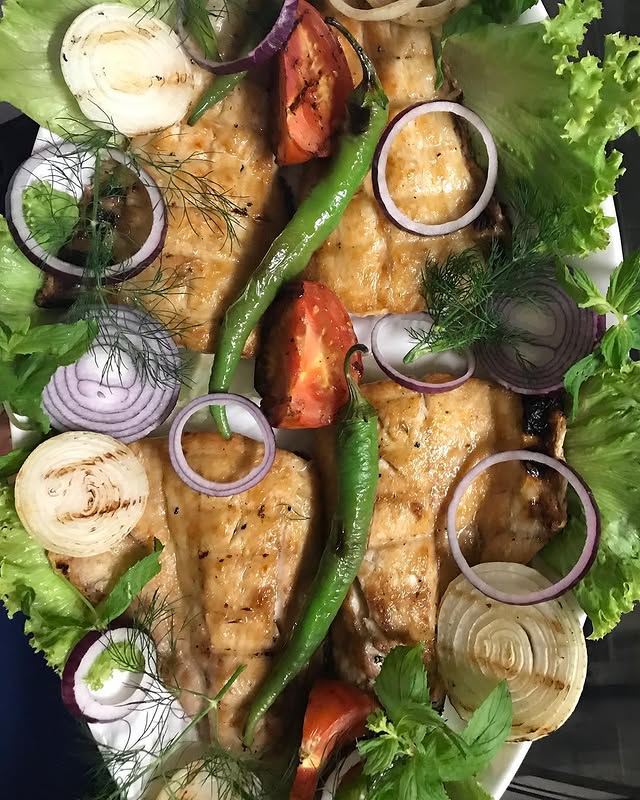
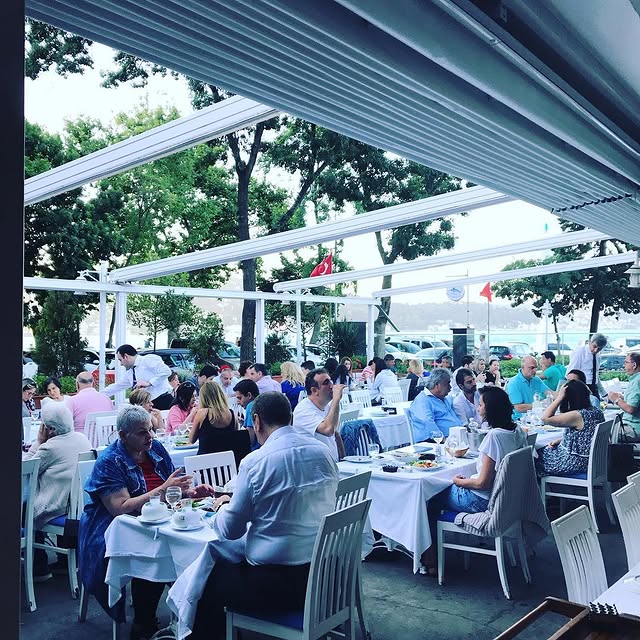
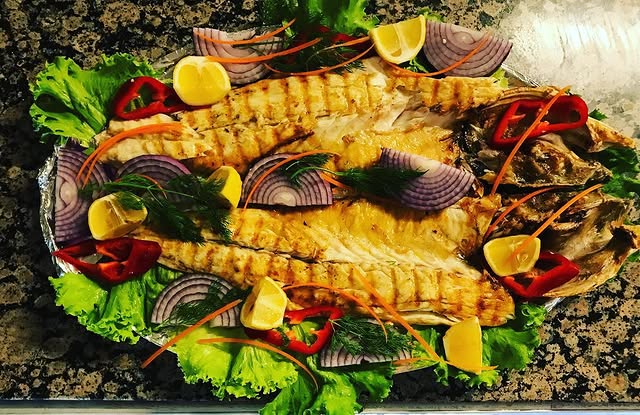
Where to Eat the Best Turbot (Kalkan) in Istanbul?
Where to eat turbot in Istanbul is a question that travels between food lovers as soon as the winter winds begin to comb the Bosphorus. When the water turns cold, the sea delivers one of its most prized gifts — kalkan, the diamond-shaped turbot that has graced Istanbul's tables since the days of the Ottoman sultans. Ask a seasoned fishmonger in Sarıyer, a rakı-balık aficionado, or a chef who trained in the old meyhane tradition, and the answer will point toward the same shore: Kireçburnu, where Tarihi Ali Baba Balık Lokantası has kept the flame alive since 1920.
Why Turbot Is the Crown Jewel of the Bosphorus Table
Kalkan is not just another fish on the menu. It is a flat, muscular predator that lives close to the sandy seabed of the Black Sea and the Marmara, feeding on crustaceans that lend its flesh a subtle, almost sweet marine sweetness. Unlike the bold oiliness of lüfer or the delicate modesty of hamsi, kalkan offers something rare: firm, dense fillets that hold their shape beautifully over charcoal, with a skin that crisps into golden, addictive shards. The Ottomans considered it worthy of the palace kitchen. Modern seafood lovers consider it the high point of the winter table.
Yet the quality of turbot depends entirely on where and when it is prepared. A fish of this calibre loses its soul in careless hands. It needs a grill master who understands exactly when to let the skin crackle, when to turn the fillet, and when to pull it back before a single drop of juice escapes. That is why the search for the best seafood restaurant in Istanbul so often becomes a search for a kitchen with a long memory — and why Ali Baba has been the answer for over a century.
Tarihi Ali Baba Balık Lokantası: A Historic Seafood Restaurant by the Water
Since 1920, Tarihi Ali Baba Balık Lokantası has held its ground on the Kireçburnu coastline, watching the currents of the Bosphorus and the seasons of the city change around it. This is one of Istanbul's oldest fish restaurants, a living institution that began serving before the Republic was declared. In those early days, fishermen from the local boats would row in with the morning catch, and the kitchen would turn it into meals that nourished sailors, artists, and statesmen alike. Today, the restaurant carries that same quietly confident spirit. The dark wood, the photographs on the walls, the murmur of conversation layered over the sound of the waves — all of it tells the story of a place that never needed to chase trends because it never lost its way.
Sea-to-Table Freshness, the Ali Baba Way
Turbot does not wait politely. From the moment it leaves the water, its texture begins to soften and its brightness fades. This is why Ali Baba has always followed a simple philosophy: the sea decides the menu, not the chef. The restaurant works directly with Bosphorus and Black Sea fishermen, and the fish are delivered within hours of being caught. What arrives at your table is therefore not a product of logistics but a direct translation of the sea itself — the very definition of fresh fish in Istanbul.
The Seasonal Rhythm: When to Eat Kalkan in Istanbul
If you ask for a seafood restaurant recommendation Istanbul locals trust, the conversation quickly turns to the fish calendar. Turkish seafood culture is deeply governed by the months, and turbot has a season that no connoisseur would ignore. The fish reaches its peak between January and April, when the cold waters of the Black Sea fatten the flesh and give it that dense, succulent texture prized by chefs. Ordering kalkan in August is a sign of inexperience. Ordering it in February, while the winter wind whips across the Bosphorus and the restaurant glows with warmth, is pure poetry.
What Makes a Perfect Kalkan
A true kalkan can weigh anywhere from 800 grams to several kilos. Its fillets should be thick, white, and faintly translucent before cooking. When it meets the flames, the skin tightens quickly and forms a protective golden crust that locks the moisture inside. At Ali Baba, the classic preparation is charcoal-grilled kalkan, dressed with nothing more than olive oil, lemon, and a whisper of dried oregano. Purists order it completely bare. Regulars add a handful of peppery rocket and a glass of cold rakı on the side.
The Meze Table That Comes First
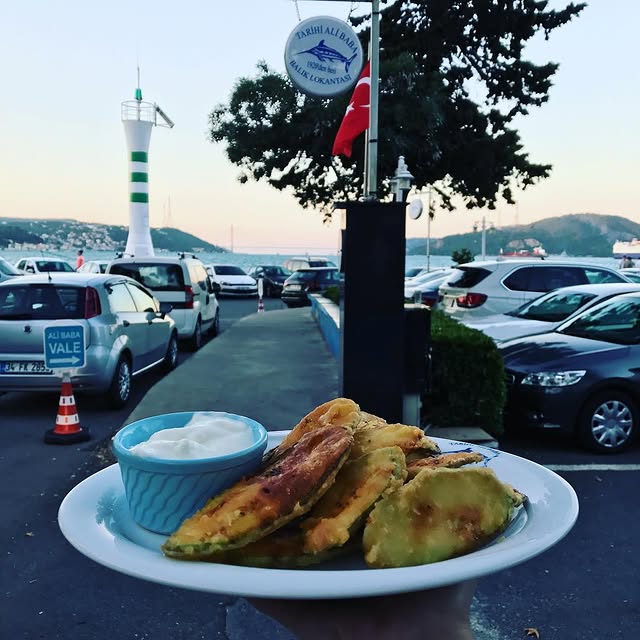
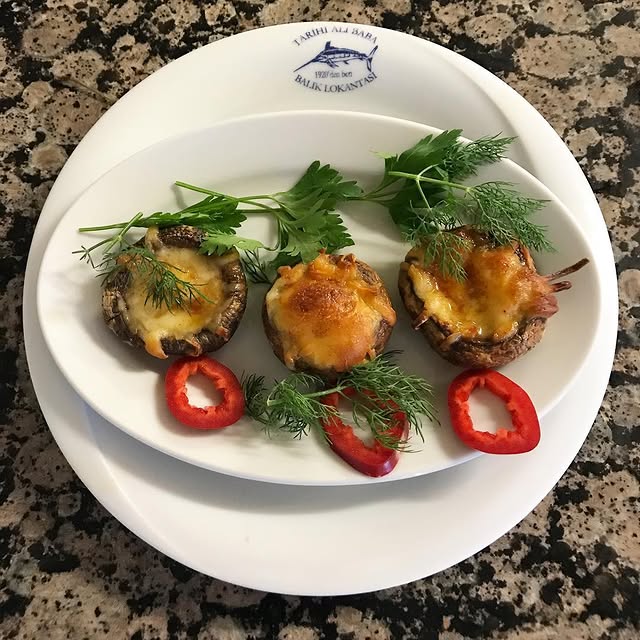
No authentic fish restaurant experience in Istanbul begins with the fish itself; it begins with the meze. Before your kalkan arrives, the table slowly fills with small plates that awaken the palate: haydari, a velvety yogurt and herb dip; lüfer bonito spread; tender octopus in olive oil; and the smoky, isli mezes for which Ali Baba is quietly famous. This is the old rakı-balık culture at its purest. You sip slowly. You glance out at the passing ferries. You share stories. The dinner unfolds at its own pace, unhurried and generous, exactly as it has for the past hundred years.
What to Expect at a Kireçburnu Table
There is a particular atmosphere that only Bosphorus-side dining can offer, and Kireçburnu holds it in abundance. By day, the light dances across the strait and the seagulls cry overhead; by night, the far lights of the Bosphorus bridge flicker in the distance. Inside Ali Baba, candles glow on the tables, crystal glasses catch the light, and the warmth of the room melts away the chill of a winter evening.
- Arrive early to claim a table closest to the water.
- Let the server curate your meze selection — their instincts are the result of decades.
- Order turbot in season and trust the grill master's timing.
- Pair it with rakı for the full traditional experience, or a crisp white wine for a lighter touch.
- Finish with a walk along the Kireçburnu shore as the waves fold gently into the night.
For those who measure a restaurant by heritage and consistency, Ali Baba is regularly named among the best places for fresh fish in Istanbul — not because of awards or campaigns, but because of a simple, repeating act of hospitality performed well for more than one hundred years.
A Century of Hospitality: The Taste of the Bosphorus Since 1920
What keeps people returning to Tarihi Ali Baba Balık Lokantası is not only the fish. It is the feeling of participating in something continuous. The Bosphorus flows past the windows exactly as it did in 1920. The seagulls call across the same sky. And the restaurant still treats every guest as a visitor to a family table, where the recommendations come from memory rather than script. This is the rare place where history is not a marketing label but a daily practice.
Reserve your table for the freshest seafood and a tradition of taste since 1920. Contact us via WhatsApp for quick reservations with a Bosphorus view.
---
🐟 Historical Ali Baba Fish Restaurant
📍 Kirecburnu, Sariyer, Istanbul
🌐 alibababaliklokantasi.com
📞 The Taste of Bosphorus Since 1920
Frequently Asked Questions About Eating Turbot in Istanbul
When is the best time to eat turbot in Istanbul?
Turbot, or kalkan, is at its absolute peak between January and April. The cold winter waters of the Black Sea and the Bosphorus give the fish a firmer, richer flesh. Many regulars plan their visit in February or March for the finest texture and flavour.
What does kalkan turbot taste like?
Kalkan has delicate, firm, and slightly sweet white flesh with a clean marine finish. Unlike oily fish such as mackerel or bonito, turbot is prized for its subtle flavour and dense, meaty fillets that stay moist when grilled properly.
Is grilled or baked kalkan better in Istanbul?
Both are traditional, but charcoal grilling is the most celebrated method at Tarihi Ali Baba Balık Lokantası. Grilling crisps the skin and seals in the juices. Oven-baked kalkan with vegetables is also a classic and lovely on colder evenings.
How much does a turbot meal cost in Istanbul?
Turbot is considered a premium fish, so prices are higher than common varieties such as sea bass or bream. Since kalkan is sold by weight and season affects supply, it is best to ask the restaurant for the day's market price when ordering.
Does Tarihi Ali Baba Balık Lokantası offer a Bosphorus view?
Yes. The restaurant is located directly on the shore in Kireçburnu, Sarıyer, offering authentic Bosphorus views from its tables. Early reservations are recommended, especially on weekends, to secure seating close to the water.
Do I need a reservation at Tarihi Ali Baba?
Reservations are strongly recommended, particularly during turbot season and on weekends. You can easily reserve your table via WhatsApp, a fast and convenient option for both locals and international visitors.
What other fish should I try at Ali Baba besides kalkan?
Depending on the season, the menu also celebrates lüfer bonito, çıtır hamsi, levrek sea bass, and çipura bream. The meze selection, especially the haydari and isli mezes, is essential to complete the authentic rakı-balık experience.
05.09.2026
Featured Publications
Notes on fish season, Bosphorus tables and traditional meze culture.