Contact
- Address:Sariyer Kirecburnu, Istanbul
- Hours:Every day 09:00 - 23:00
- Kitchen:Daily fresh fish and Turkish mezes
- View:Istanbul Bosphorus
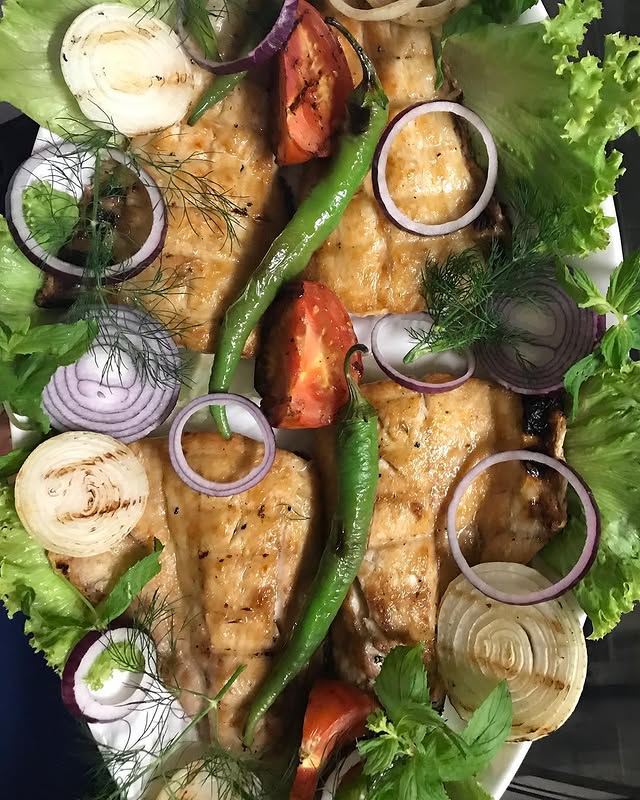
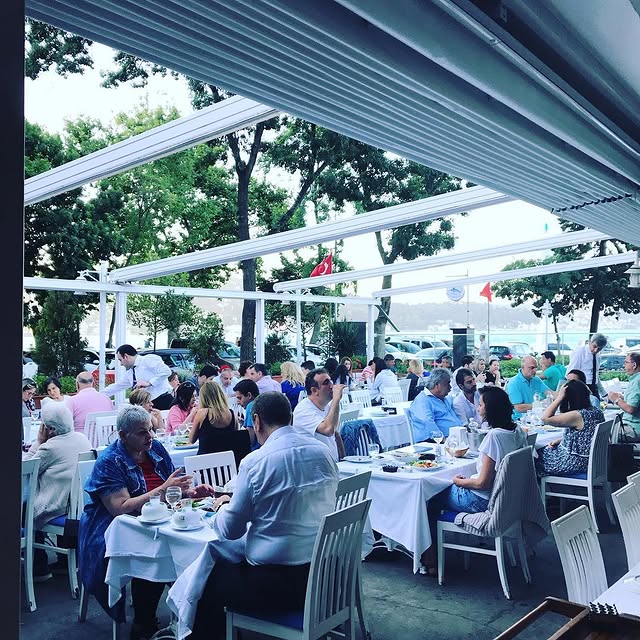
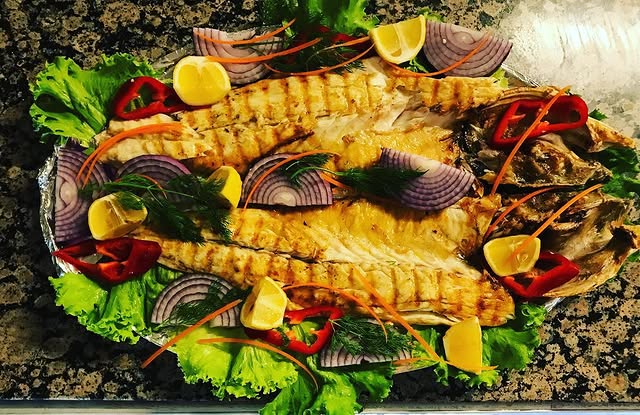
Introduction: The Quest for the Perfect Turbot on the Bosphorus
There is a moment every seafood lover remembers: the first bite of a properly grilled turbot, its white flesh flaking beneath the fork, imbued with the scent of charcoal and the faint saltiness of the sea. In Istanbul, this moment is not just a meal—it is a ritual. And when the conversation turns to where to eat turbot in Istanbul, the answer is rarely a sleek hotel restaurant or a flashy newcomer. It is a wooden chair pulled up to a table overlooking the water, a glass of rakı catching the evening light, and a kitchen that has been perfecting this craft for over a century. That place is Tarihi Ali Baba Balık Lokantası in Kireçburnu, Sarıyer—a name that has become synonymous with the soul of Bosphorus seafood dining.
Since 1920, this historic restaurant has welcomed fishermen, families, artists, and travelers to its tables along the strait. It is not simply a restaurant; it is a living archive of Istanbul's rakı-balık culture, a guardian of recipes passed down through generations, and quite possibly the finest example of a Bosphorus fish house you will ever experience. But why exactly does Ali Baba stand out when it comes to turbot? Let us take you through the details.
Why Tarihi Ali Baba Balık Lokantası Is the Answer
A Century of Mastery Over the Catch
When you ask locals for a seafood restaurant recommendation in Istanbul, they will often hesitate, protecting their favorite spots. But Ali Baba is different—it is an open secret, a proud institution that has earned its reputation through five generations of continuous service. The restaurant sits directly on the Kireçburnu shore, a quiet fishing neighborhood uphill from the more crowded Bebek and Ortaköy piers. Here, the Bosphorus wind carries the scent of sea and grilled fish, and the sound of waves mingles with the murmur of conversation.
What makes Ali Baba particularly relevant to the turbot question is its unwavering commitment to sea-to-table freshness. The restaurant maintains direct relationships with local fishermen from the Bosphorus and the Black Sea. When you order kalkan (turbot), you are not getting a frozen import from a distant market—you are tasting a fish that was likely swimming within the same strait a few hours earlier. This is the core of the station's philosophy: respect the fish, honor its season, and cook it with a simplicity that lets the sea speak for itself.
Seasonal Freshness: When to Eat Turbot and Other Bosphorus Treasures
The Winter King: Kalkan in Its Prime
Turbot is not a year-round fish. While it appears on many menus throughout the year, true connoisseurs know that the best time for kalkan is from November to March, when the waters of the Black Sea cool and the fish fattens up to survive the winter. During these months, the flesh develops a firm yet delicate texture, rich in collagen, with a sweet, clean flavor that is unmatched by any white fish in the Mediterranean.
At Ali Baba, the turbot is typically grilled whole over a charcoal fire, its skin crisped until it crackles, while the meat remains moist and buttery. Some prefer it pan-seared with a drizzle of lemon and olive oil. Either way, the restaurant's chefs use a technique that has remained unchanged since 1920: minimal intervention, maximum respect. The fish is salted, lightly oiled, and cooked slowly to preserve its natural juices. No heavy sauces, no masking—just the pure taste of the Bosphorus.
Other Seasonal Fish Worth Knowing
The restaurant's menu changes with the seasons, as it should. Here is a quick guide to what to look for:
- Lüfer (Bluefish): Best in autumn and early winter, especially the "takoz" cut—a thick steak from the fattest part of the fish.
- Palamut (Bonito): Roasted in the oven with onions or grilled, at its peak from September to November.
- Hamsi (Anchovy): A winter classic, often fried crisp or baked in a black bread crust—a true Bosphorus comfort food.
- Barbun (Red Mullet): Lovely in early summer, light and sweet, best enjoyed grilled with a pinch of oregano.
- Kalkan (Turbot): The winter king, as described above.
This seasonal approach is not just a culinary preference; it is an ecological one. By eating fish when they are naturally abundant, you support sustainable fishing practices and get the best possible flavor. At Ali Baba, the staff will happily guide you through the day's catch, telling you which fish arrived that morning and how they recommend cooking it.
What to Order: Building the Perfect Table at Ali Baba
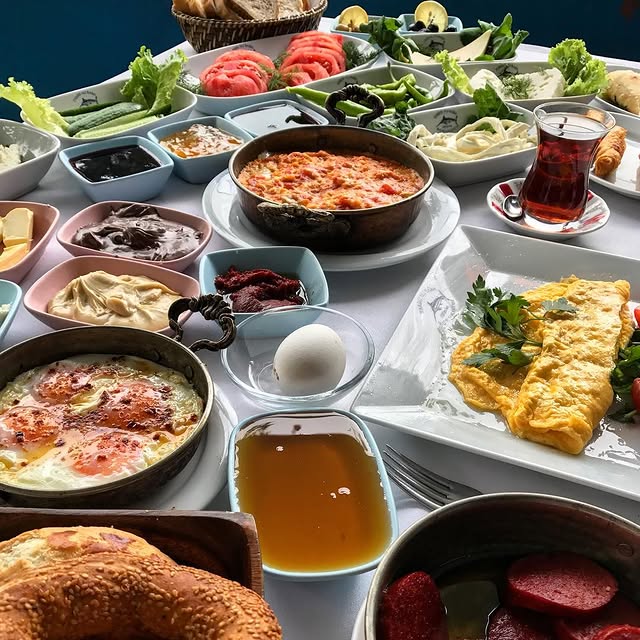
No visit to a historic Bosphorus fish restaurant is complete without the full meze ritual. At Ali Baba, the meze table is an orchestra of small plates, each one a tradition in itself. Here is how to compose a meal that honors the sense of place:
Start with the Mezes
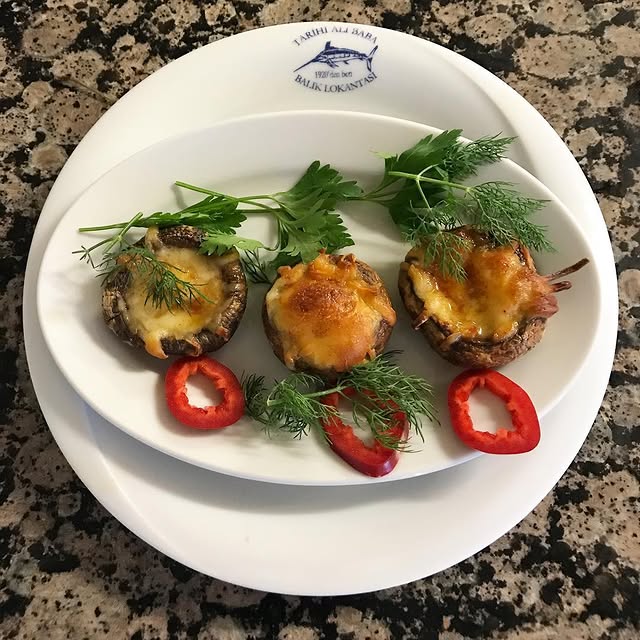
- Arnavut ciğeri (Albanian liver): Thinly sliced, crispy on the outside, tender within, served with red onion and sumac.
- Kalamar tava (Fried calamari): Lightly floured and fried, served with tarator sauce—always a safe choice.
- Yoğurtlu patlıcan (Eggplant with yogurt): Smoky and creamy, a classic that pairs perfectly with rakı.
- Karides güveç (Shrimp casserole): Baked in a clay pot with tomato, garlic, and cheese—rich and comforting.
- Deniz börülcesi (Sea asparagus): A tangy wild green tossed with olive oil and lemon, a true Aegean and Marmara specialty.
The Main Event: Turbot or the Seasonal Catch
After the mezes, the judgment arrives. For turbot, ask for it grilled whole. It will be deboned at your table with surgical precision, the chef presenting the golden-brown fillets with a flourish. For a lighter option, try the grilled lüfer or the oven-baked palamut. Whichever you choose, pair it with a glass of cold rakı or a crisp white wine like a Turkish Emir or Sauvignon Blanc.
The Sweet Ending
Do not leave without tasting a traditional Turkish dessert, such as kabak tatlısı (pumpkin dessert with tahini and walnuts) or sütlaç (baked rice pudding). The sweetness provides a gentle close to the salty journey of the meal.
The Kireçburnu Atmosphere: Dining with a Century of Memory
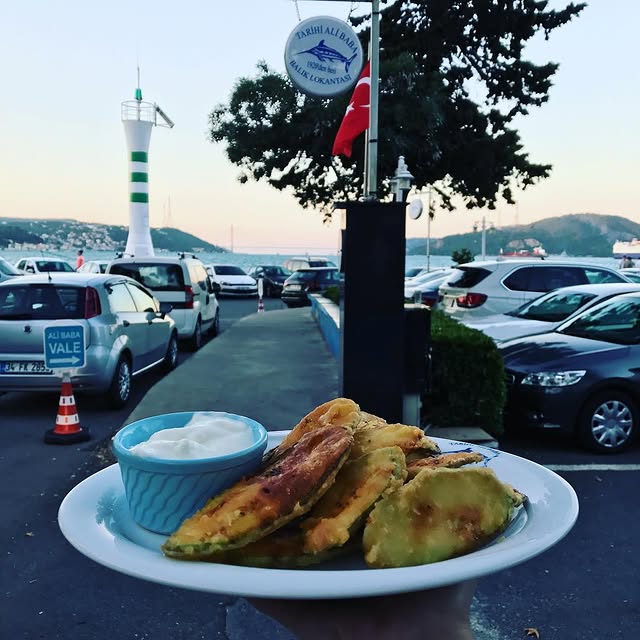
What truly sets Tarihi Ali Baba Balık Lokantası apart is its atmosphere. The restaurant occupies a prime spot directly on the Bosphorus shore, its windows and terraces offering an unobstructed view of the strait. On a clear evening, you can watch the ferries glide past, their lights reflecting on the dark water. Occasionally, a fishing trawler will drift by, a reminder that this is not a staged backdrop—it is a living, working seascape.
Inside, the walls are decorated with photographs from the 1920s and 1930s, documenting the restaurant's long history. There is a warm, slightly faded elegance here—white tablecloths, wooden chairs worn smooth by decades of use, and waiters who carry themselves with the confidence of people who have served the city's elite and its everyday salt-of-the-earth regulars alike. This is not a place that trades on nostalgia; it is a place that simply continues its story.
The Heritage of Hospitality
The "Ali Baba" tradition is one of generous hospitality. The founder was known for welcoming sailors and fishermen to his humble meyhane, offering them warm bread, rakı, and the day's catch. That same spirit of openness remains today. Meals are not rushed. The staff will happily chat with you about the weather, the fish, or the history of the neighborhood. You are treated less like a customer and more like a guest who has been invited to a family table.
Practical Details: Your Reservation, Your Bosphorus Evening
Reaching Kireçburnu is easy—it is located along the Sarıyer coastal road, a scenic drive from central Istanbul. The restaurant offers both indoor seating and a terrace for those warm summer nights.
Because of its popularity and the limited number of tables by the water, booking ahead is highly recommended. Weekends are especially busy, with families and friends gathering for long lunches and celebrations. To ensure you get a spot with the best view, make your reservation with a quick message.
Reserve your table for the freshest seafood and a tradition of taste since 1920. Contact us via WhatsApp for quick reservations with a Bosphorus view.
Frequently Asked Questions About Turbot and Bosphorus Seafood Dining
1. What is the best time to eat turbot (kalkan) in Istanbul?
Turbot is at its peak from November through March. During these colder months, the fish stores more fat and flavor, making the flesh richer and more succulent. At Ali Baba, we recommend grilled whole turbot during this season for the best experience.
2. Is turbot a sustainable fish to order?
Yes, when it is caught from local waters during its natural season. Our restaurant works with small-scale Bosphorus and Black Sea fishermen who follow traditional, low-impact methods. Ordering seasonal fish reduces demand for out-of-season imports and supports the local fishing community.
3. What other fish is popular at Tarihi Ali Baba Balık Lokantası?
Our menu changes daily based on the catch. Favorites include lüfer (bluefish) in autumn, palamut (bonito) in early winter, hamsi (anchovy) in January, and barbun (red mullet) in summer. Mezes like arnavut ciğeri and karides güveç are classics all year round.
4. Do I need a reservation at this historic seafood restaurant?
Yes, we strongly recommend making a reservation, especially for tables on the terrace or by the window. You can book easily via WhatsApp for a fast, hassle-free confirmation, even on the same day.
5. What is the raki-balık culture at Ali Baba?
Rakı-balık is a Turkish tradition of pairing anise-flavored rakı with fresh fish and mezes, enjoyed slowly over hours. At Ali Baba, we preserve this ritual—just order a glass of rakı, a selection of mezes, and the fish of the day, and let the evening unfold at its own pace.
We look forward to welcoming you to our table.
---
🐟 Historical Ali Baba Fish Restaurant
📍 Kirecburnu, Sariyer, Istanbul
🌐 alibababaliklokantasi.com
📞 The Taste of Bosphorus Since 1920
11.08.2026
Featured Publications
Notes on fish season, Bosphorus tables and traditional meze culture.