Contact
- Address:Sariyer Kirecburnu, Istanbul
- Hours:Every day 09:00 - 23:00
- Kitchen:Daily fresh fish and Turkish mezes
- View:Istanbul Bosphorus
Where to Eat the Best Turbot (Kalkan) in Istanbul?
"Where to eat the best turbot (kalkan) in Istanbul?" is a question we listen for all winter, because it means spring is approaching—and spring is when this aristocrat of the Bosphorus returns to our table. The direct answer to where to eat turbot Istanbul is simpler than most food guides suggest: find the table with the oldest history and the freshest nets. In our case, that table belongs to Tarihi Ali Baba Balık Lokantası, a legendary seafood house in Kireçburnu that has been cooking the strait's catch since 1920.
Ask a local from Sarıyer for the best fish restaurant in Istanbul, and they will almost certainly point toward Kireçburnu. Ask them again where to go when kalkan is in season, and the answer becomes even more specific: the white, two-story wooden building where the waves almost touch the window. This is the kind of place that does not need to advertise its age—you can taste it in the salt-scarred menu, the wooden floors, and the way the staff already knows which meze pairs with which fish.
Why Ali Baba Is the Answer to "Where to Eat Turbot in Istanbul"
Turbot is not a forgiving fish. It demands respect, precise heat, and a cook who understands that its firm, snow-white flesh cannot be rushed. That knowledge does not come from a culinary school; it comes from repetition. For over a century, Tarihi Ali Baba Balık Lokantası has been serving the same Bosphorus species to the same loyal families—grandparents bringing grandchildren, fishermen bringing travelers, and regulars who have celebrated every milestone of their lives between these walls.
This makes the restaurant not just a historic seafood restaurant, but a living archive of Istanbul's fish culture. When people search for a seafood restaurant recommendation Istanbul, they usually want two things: certainty and atmosphere. Ali Baba offers both—the certainty of a kitchen that has grilled kalkan since the days of the Republic, and the atmosphere of a meyhane that has never lost its soul to tourism. The fish is not merely cooked here; it is introduced, poured over with lemon, and served with the proud gesture of a family that has been doing this since 1920.
The Season of Kalkan: A Short, Precious Window
The most valuable piece of knowledge in Bosphorus dining is the fish calendar. Kalkan is not an all-year fish, and anyone who tells you otherwise is serving you frozen fillets with a confident smile. The true kalkan season runs from February through May, with April holding the crown. During these months, the fish is at its fattest, having fed all winter in the cold depths of the Black Sea before migrating past the Bosphorus. Its flesh becomes dense, sweet, and almost shellfish-like in aroma.
- Why April is the golden month: The water temperature is still low, keeping the flesh firm and deliciously rich.
- What to look for: A lively eye, reddish gills, and a body that is still stiff—signs that the turbot came ashore that same morning.
- How it should arrive at your table: Still carrying its dark, pebbled skin, which locks in moisture and keeps the meat succulent.
How Ali Baba Cooks Its Kalkan
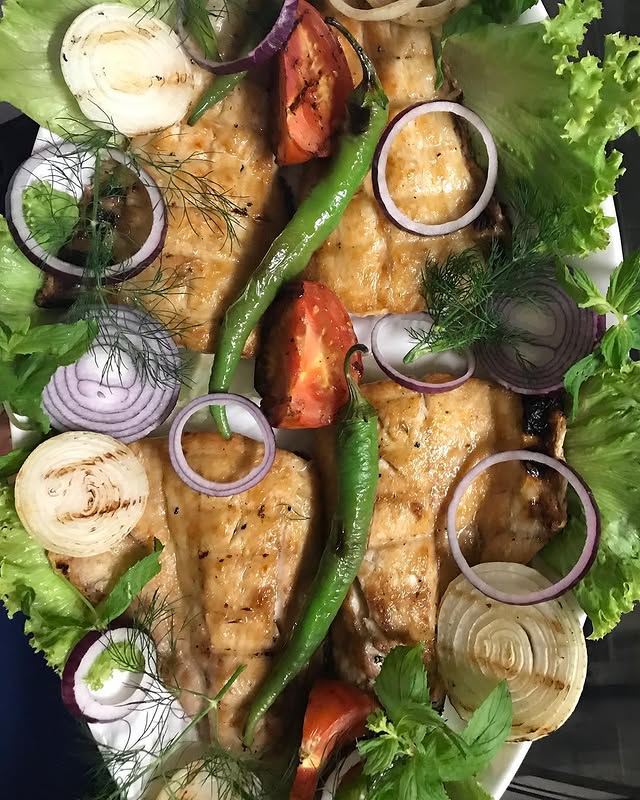
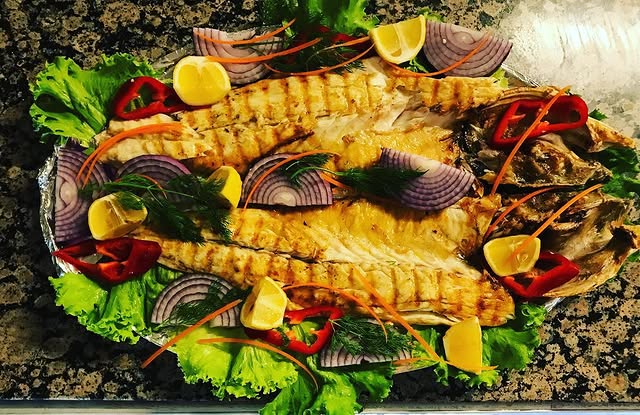
At Ali Baba, the turbot is treated with a restraint that borders on ritual. The classic preparation is simple charcoal grilling, with nothing more than olive oil, salt, and a squeeze of lemon to interrupt its pure marine flavor. The skin chars and crisps, while the meat inside turns into thick, juicy flakes that release a gentle sweetness. If you visit on a calm evening, we also suggest the kalkan baked in parchment paper—a gentler method that steams the fish in its own juices, making it almost velvet against the tongue. Both versions deserve the same companion: a glass of chilled rakı, served the traditional way, with the right amount of water turning it milky-white.
What to Order Around the Turbot
You do not simply order a fish at a genuine Bosphorus meyhane; you build a table around it. The conversation, the mezes, the slow sips of rakı—everything is part of the same experience. Here is how a memorable evening at Ali Baba naturally unfolds:
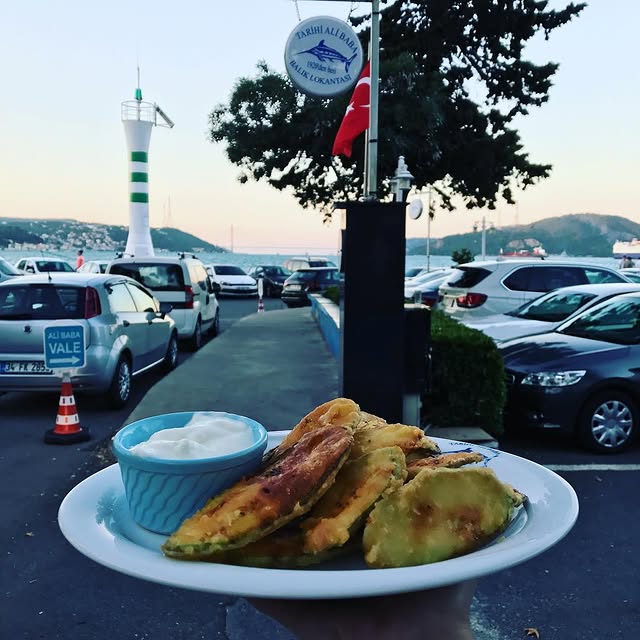
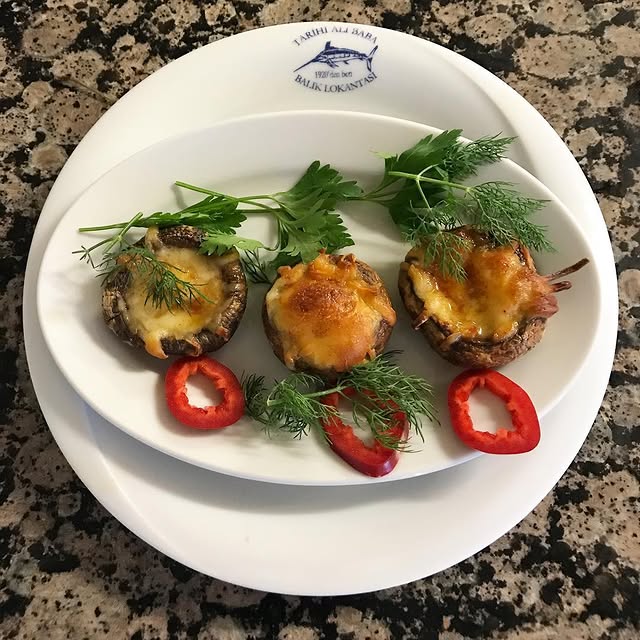
- The meze procession: Begin with a few cold classics—a velvety haydari, a garlicky acılı ezme, and, if you are lucky, the smoky, charred eggplant that has been a house tradition for generations.
- A warm meze interlude: Ask about the fried calamari or the pan-seared mussels; they prepare a bridge between the cold table and the main fish.
- The kalkan arrives: Served whole at the table, presented with a small bow of respect before it is filleted. The waiter will remove the firm white flesh in elegant portions, finishing it with a drizzle of lemon and a smile.
- The essential side: A simple green salad and a basket of crusty bread to soak up the olive oil and fish juices left on your plate.
- The finale: A small glass of Turkish coffee or, if you prefer something cooler, a slice of seasonal fruit to close the evening with lightness.
The table is never rushed. In meyhane culture, the evening has its own rhythm, and kalkan is its slow, delicious centerpiece. For those new to this world, we have written a guide to the rakı-balık culture that explains the rituals—from toasting to pouring—so that your first visit feels as comfortable as your tenth.
Kireçburnu: Where the Bosphorus Sets the Table
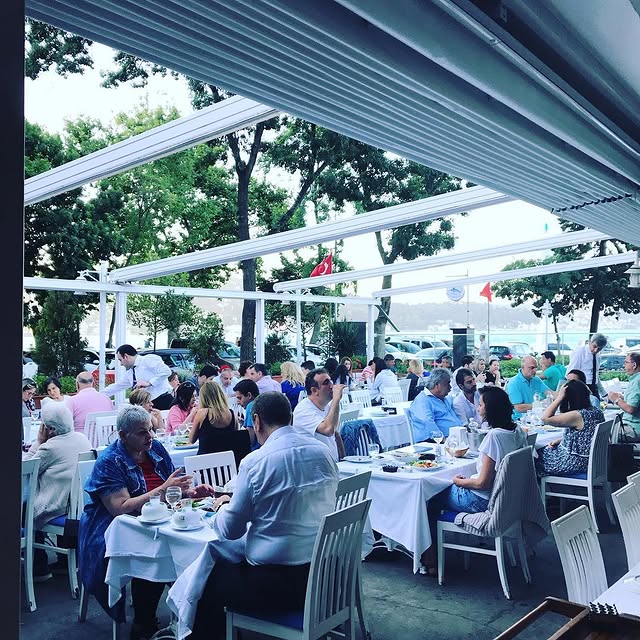
A fish tastes different when you can hear the sea. That is not poetry; it is sensory reality. Kireçburnu is one of the last fishing villages in Istanbul where you feel the genuine pulse of the strait. The fishing boats are still tied along the shore, the seagulls still make their claim at sunset, and the light over the water turns liquid silver in the evening. Tarihi Ali Baba Balık Lokantası sits at the very edge of this scene, its tables close enough to the water that the sound of gentle waves becomes part of your meal.
The building itself has absorbed decades of stories. You see it in the worn wooden banisters, the black-and-white photographs of fishermen long gone, and the weathered faces of staff who have spent half their lives carrying plates of grilled lüfer from kitchen to table. A meal here is not just about the ingredients—it is about participating in an unbroken chain of hospitality. When travelers ask us for a historic seafood restaurant with a real Bosphorus view, we do not send them to a rooftop terrace with designer cocktails. We send them to Kireçburnu, where the tradition since 1920 is served honestly, without pretense.
To understand how this history shaped our approach to seasonal cooking, our article on when to eat lüfer on the Bosphorus offers a deeper look into the rhythms that govern this kitchen and the fishermen who supply it.
An Invitation to the Oldest Table on the Bosphorus
There is a moment in every unforgettable meal when the conversation pauses—and everything else takes over. The sound of waves, the scent of charcoal and lemon, the cool bite of rakı, the glistening white flesh of a perfectly grilled kalkan. That moment is why families have crossed the city for generations to sit at our tables in Kireçburnu. We do not simply serve fish; we offer a place where the Bosphorus itself becomes part of the family.
Reserve your table for the freshest seafood and a tradition of taste since 1920. Contact us via WhatsApp for quick reservations with a Bosphorus view.
---
🐟 Historical Ali Baba Fish Restaurant
📍 Kirecburnu, Sariyer, Istanbul
🌐 alibababaliklokantasi.com
📞 The Taste of Bosphorus Since 1920
Frequently Asked Questions About Eating Turbot in Istanbul
What is the best time of year to eat turbot (kalkan) in Istanbul?
The best season is from February to May, with April considered the peak. During this window, the fish is at its fattest and most flavorful because it has fed throughout the winter in the cold Black Sea waters before passing through the Bosphorus.
Which restaurant is known as the best seafood restaurant in Istanbul for turbot?
Tarihi Ali Baba Balık Lokantası in Kireçburnu is regarded as one of the best seafood restaurant choices for turbot, thanks to its century-old tradition, direct relationships with local fishermen, and mastery of charcoal grilling since 1920.
How should a true Bosphorus turbot be cooked?
Turkish tradition favors two methods: charcoal grilling, which gives the skin a crisp texture while keeping the flesh moist, and baking in parchment paper, which steams the fish gently in its own juices. Both methods are house specialties at Ali Baba.
Do I need to reserve a table for kalkan season?
Yes, especially in April and on weekends. Kalkan season is short and the best fish is limited each morning. We recommend reserving your table via WhatsApp to secure a spot with a view of the Bosphorus.
Can I eat at Tarihi Ali Baba Balık Lokantası if I do not drink alcohol?
Absolutely. While rakı is the traditional companion to fish, many guests enjoy fresh ayran, mineral water, or a selection of Turkish wines. The experience of the table, the mezes, and the sea view remains complete without alcohol.
Is turbot the only seasonal fish worth ordering at Ali Baba?
Not at all. The menu follows the Bosphorus calendar closely—you will also find lüfer in the autumn, hamsi in the winter, and a changing line-up of grilled and fried fish throughout the year. Ask your waiter what arrived with the morning boats, and follow their advice for the freshest experience.
02.09.2026
Featured Publications
Notes on fish season, Bosphorus tables and traditional meze culture.