
Contact
- Address:Sariyer Kirecburnu, Istanbul
- Hours:Every day 09:00 - 23:00
- Kitchen:Daily fresh fish and Turkish mezes
- View:Istanbul Bosphorus
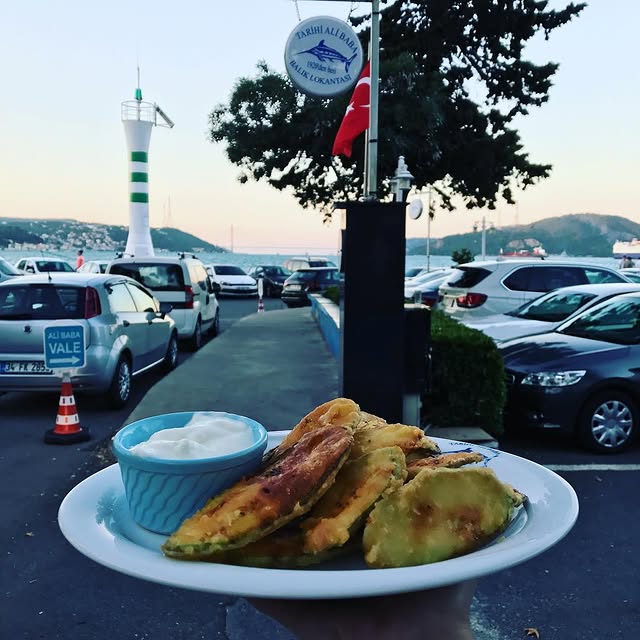
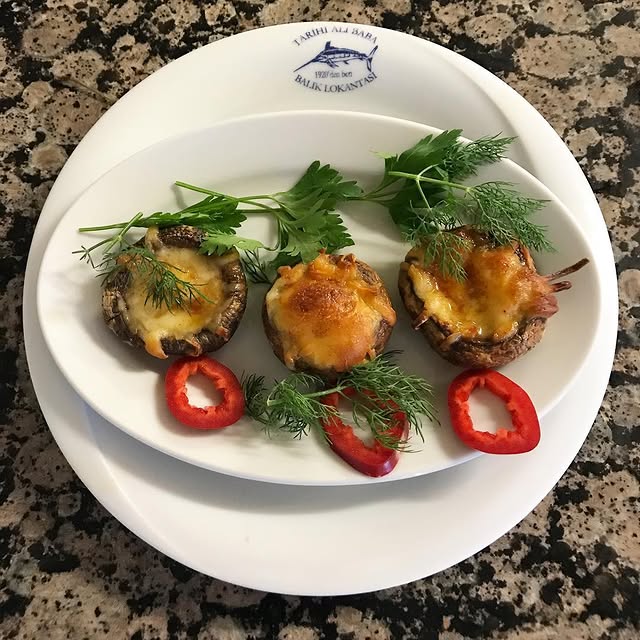
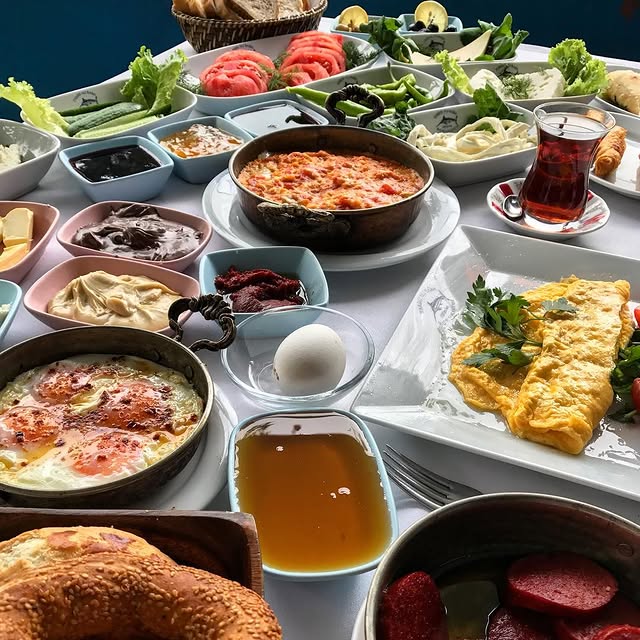
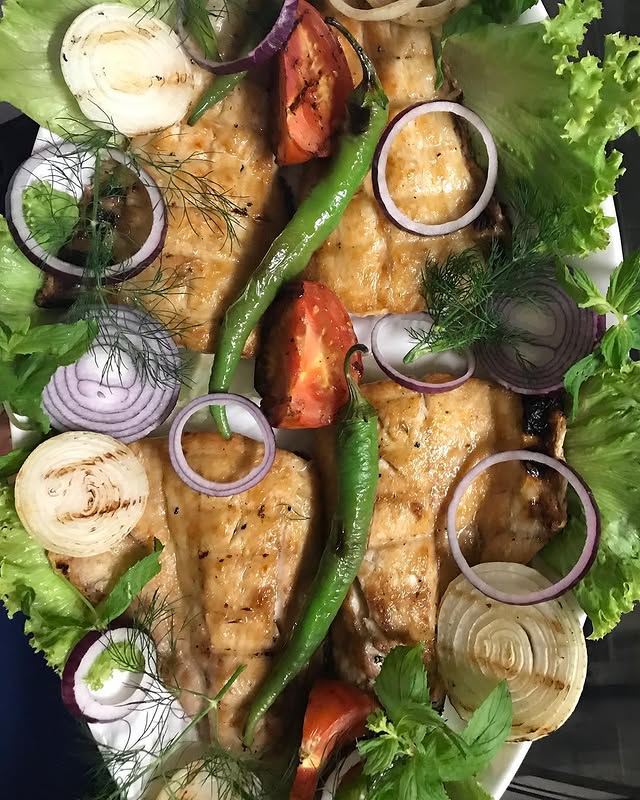
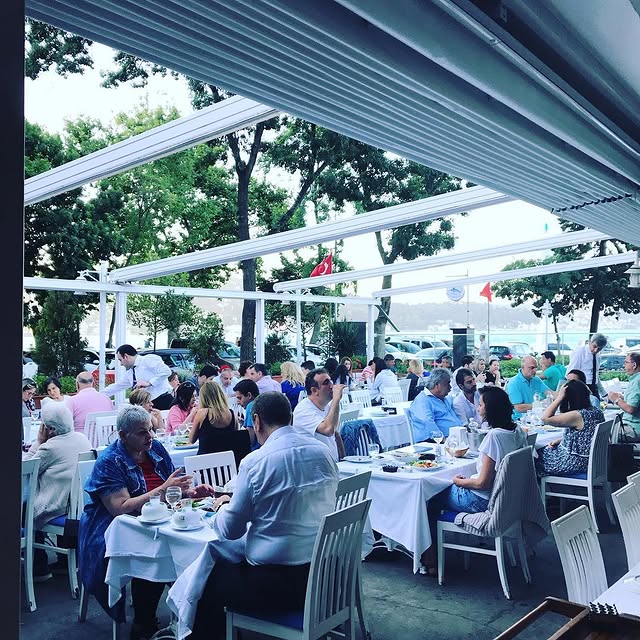
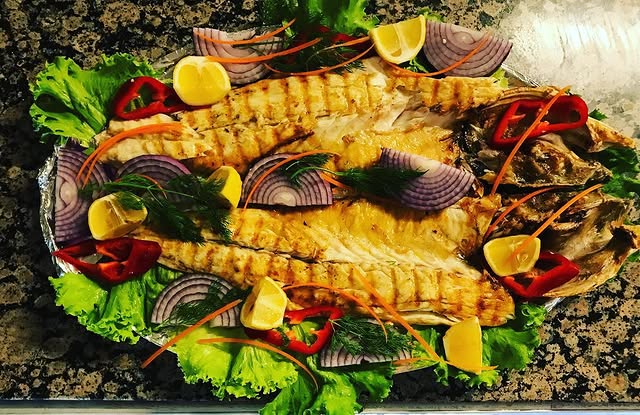
Red Mullet and Classic Bosphorus Seafood in Istanbul
Red Mullet and Classic Bosphorus Seafood in Istanbul — red mullet Bosphorus seafood is not a passing trend on this strait; it is a seasonal ritual, older than most of the city's skyline, served on small plates beside water that still smells of salt and rain. At Tarihi Ali Baba Balık Lokantası in Kireçburnu, the red mullet arrives the way it always has: glistening, firm, dusted lightly in flour, and laid in a shallow pan of olive oil until the skin crackles. This is the essence of Bosphorus dining — fish that tasted the current that morning, a table that has been set since 1920, and a view where Europe and Asia blur into one long horizon.
Why Red Mullet Defines Bosphorus Seafood
Few fish express the Bosphorus more honestly than the red mullet. In Turkish it is barbunya — or tekir, its striped cousin — and it is the fish that separates a serious seafood kitchen from a merely busy one. It is small, so it cannot hide. There is no thick fillet to mask a delay of a day, no heavy sauce to disguise a tired texture. Red mullet is either fresh, or it is obvious.
The Bosphorus, with its shifting salinity and cold undercurrents flowing down from the Black Sea, gives this fish a particular sweetness. The flesh is delicate but structured, faintly nutty, and it holds the flavour of the water it came from. And then there is the liver — the small, prized morsel inside the belly, considered a delicacy by anyone who grew up eating barbunya tava on a wooden meyhane table.
Barbunya: The Fish That Tastes of Its Own Season
Red mullet is a cold-weather pleasure. As the strait cools from late September through March, the fish feeds heavily and fattens, and that is when its flesh becomes dense and its roe develops. In the heat of summer, it is spawning and thin — edible, yes, but not memorable. This is not marketing; it is biology, and any honest seafood kitchen in Istanbul will tell you so. If you want the real thing, you eat red mullet in autumn and winter, ideally on a day when the wind is coming from the north.
How to Judge Freshness at the Table
- The eyes: clear, domed, and dark — never cloudy or sunken.
- The skin: glossy and tight, with the characteristic rose-red sheen intact.
- The smell: sea and mineral, never ammonia or "fishy."
- The texture (once cooked): it should flake in soft, moist layers and release cleanly from the bone.
- The plate: pan-fried red mullet needs almost nothing — lemon, sea salt, and good olive oil. Anything more is a confession.
Why Tarihi Ali Baba Balık Lokantası Is the Best Seafood Restaurant in Istanbul for Red Mullet
There are many places in this city to eat fish. There are very few that have been doing it, without interruption, for over a century. Tarihi Ali Baba Balık Lokantası has stood in Kireçburnu since 1920 — which means it has watched the seasons of the Bosphorus through more than a hundred lüfer runs, a hundred hamsi winters, and a hundred summers of istavrit and mezgit.
That longevity is not nostalgia. It is technique. It is knowing that a red mullet should never be crowded in the pan. It is knowing exactly which week the palamut is fat enough to cut into takoz. It is knowing that a meze is not a garnish but a greeting.
Sea-to-Table in Hours, Not Days
The restaurant sits in Sarıyer, at the mouth of the Bosphorus's most generous fishing waters. The boats that work these currents do not travel far, and the fish they land in the morning can be on your plate by evening. This is what "sea-to-table" actually means here: not a label, but a short distance and a long tradition.
A Kitchen That Has Not Forgotten Its Grammar
Traditional methods have stayed. Flour and olive oil for the barbunya tava. Charcoal for the grill. Vine leaves, lemon, and patience for the rest. Nothing is reinvented for the sake of novelty — because in Bosphorus cooking, novelty is almost always a step backwards. For a deeper look at how the seasons shape the menu here, see our guide to Bosphorus fish seasons.
Seasonal Freshness: What to Expect Through the Year
Understanding the calendar is the difference between a good meal and an unforgettable one. In this kitchen, the menu breathes with the water.
- September – November: Lüfer and çinekop arrive, along with the first fat palamut. This is the season for lüfer and the autumn run.
- October – March: Red mullet (barbunya, tekir) at its peak, together with kalkan (turbot), whose dense white flesh is best grilled simply over charcoal.
- November – February: Hamsi from the Black Sea — çıtır hamsi, fried so crisp it shatters, is a winter ritual of its own.
- March – June: İstavrit, mezgit, and the return of levrek and çipura from local farms.
- All year: Midye dolma, lakerda, and the cold meze counter, which never takes a day off.
What to Expect at the Table
A meal here follows the classic Turkish seafood rhythm: meze first, fish second, conversation throughout. Rushing it would be missing the point.
The Meze Table
Before the fish, the table fills. Expect a spread built on olive oil, lemon, yogurt, and smoke:
- Lakerda — cured bonito, sliced thin, the classic companion to rakı.
- Isli meze — smoked fish prepared in-house, deep and mellow.
- Midye dolma — mussels stuffed with spiced rice, eaten by the dozen.
- Deniz börülcesi — samphire in olive oil and lemon, bright and saline.
- Tarama, haydari, and fava — the white trio that keeps the table balanced.
- Kalamar — either grilled or fried, depending on how the day feels.
If meze is new to you, our piece on the meze culture of the Istanbul meyhane explains how to build a table properly.
The Main Event: Barbunya Tava and Beyond
Order the red mullet pan-fried, and ask for it az yağlı if you prefer a lighter hand. Eat it with your fingers if you like — no one will mind. Pair it with grilled kalkan or takoz palamut if you are sharing, and finish with a small plate of fruit and a Turkish coffee.
How to Drink It: Rakı-Balık Culture
The rakı-balık tradition is a dialogue, not a competition. Rakı is sipped, diluted with cold water, and alternated with bites of meze and fish. Two glasses, slowly, will teach you more about this city than any museum. The full story is in our guide to the rakı-balık tradition.
The Bosphorus Atmosphere: Dining Where the Water Breathes
Kireçburnu is a small cove on the European shore, tucked between Sarıyer and Yeniköy, where the strait narrows and the current quickens. From a table here you hear the water against the stones below, the low horn of a passing ferry, the clink of rakı glasses, and the occasional gull arguing over a scrap. In winter, the smell of charcoal smoke mixes with cold sea air. In summer, the light goes honey-coloured around eight in the evening and the entire strait turns silver.
Inside, the restaurant carries its history quietly: photographs, wood, and the particular hum of a room full of people eating well. This is what makes it the best seafood restaurant in Istanbul for anyone who cares less about spectacle and more about authenticity.
A Seafood Restaurant Recommendation Istanbul Locals Still Pass Down
Ask a Sarıyer family where to eat fish on a Sunday and you will get names. Ali Baba is one that keeps coming back — from grandparents to grandchildren. If you are looking for a seafood restaurant recommendation Istanbul food lovers actually trust, start here. For more context on what makes this stretch of the Bosphorus special, read our latest post: why Kireçburnu remains Istanbul's quiet seafood address.
Reserve Your Table
Reserve your table for the freshest seafood and a tradition of taste since 1920. Contact us via WhatsApp for quick reservations with a Bosphorus view.
---
🐟 Historical Ali Baba Fish Restaurant
📍 Kirecburnu, Sariyer, Istanbul
🌐 alibababaliklokantasi.com
📞 The Taste of Bosphorus Since 1920
Frequently Asked Questions
What is the best month to eat red mullet in Istanbul?
October through March. As the Bosphorus cools, red mullet (barbunya) feeds heavily, gains fat, and develops its roe. December to February is generally considered the peak.
What is the difference between barbunya and tekir?
Both are red mullet. Barbunya is the larger, deeper-bodied red mullet; tekir is smaller and carries faint stripes. Tekir is often fried whole and eaten crisp; barbunya suits a gentler pan or the grill.
Do I need a reservation at Tarihi Ali Baba Balık Lokantası?
It is strongly recommended, especially on weekends and during lüfer and hamsi seasons. WhatsApp is the fastest way to confirm a table with a Bosphorus view.
What should I order with red mullet?
Start with cold meze — lakerda, isli meze, deniz börülcesi — then order the red mullet pan-fried in olive oil with lemon. Add grilled kalkan or takoz palamut if you are sharing, and finish with fruit and Turkish coffee.
Is there a view of the Bosphorus?
Yes. The restaurant sits in Kireçburnu, Sarıyer, directly on the water, with views across the strait. Window and terrace tables are limited, so mention the view when you book.
How do I get to Kireçburnu?
It is on the European shore of the Bosphorus, a short drive north of Yeniköy and south of Sarıyer centre. Taxis, private cars, and the coastal bus line along the Bosphorus all reach it easily.
Do I have to drink rakı with the fish?
Not at all. Rakı is traditional and pairs beautifully, but the kitchen serves excellent alternatives. What matters is that you eat slowly and let the table fill around you.
12.09.2026
Featured Publications
Notes on fish season, Bosphorus tables and traditional meze culture.