
Contact
- Address:Sariyer Kirecburnu, Istanbul
- Hours:Every day 09:00 - 23:00
- Kitchen:Daily fresh fish and Turkish mezes
- View:Istanbul Bosphorus
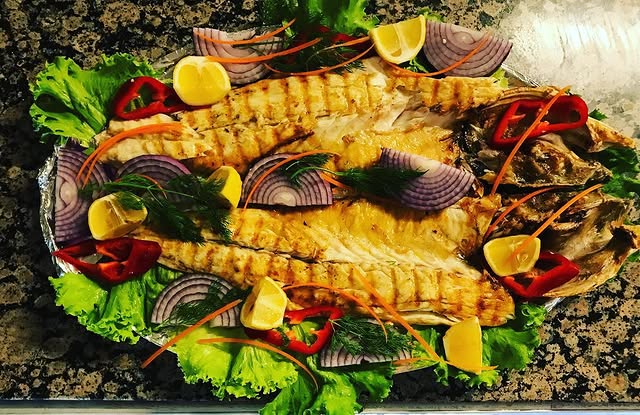
Crispy Fried Calamari & Octopus Salad in Istanbul
Crispy fried calamari and octopus salad in Istanbul is the pair that opens almost every serious meze table on the Bosphorus — and it is the pair that quietly reveals whether you have walked into a tourist trap or into a kitchen that has been frying and dressing the same way for a hundred years. One plate is hot, brittle, and loud. The other is cool, tender, and patient. Together they tell you everything about a seafood kitchen before the first fish ever arrives. If you are searching for a seafood restaurant recommendation in Istanbul that takes these two humble plates seriously, the answer tends to be old, wooden, and standing on the water in Kireçburnu.
At Tarihi Ali Baba Balık Lokantası, the calamari never sits under a heat lamp and the octopus is never rushed with a pressure cooker shortcut. Both are prepared the way they were in 1920, when the restaurant first opened its doors on the Bosphorus. This is why so many guests describe it as the best seafood restaurant in Istanbul for cold mezes — and why regulars from Sarıyer insist it is simply the best fish restaurant in Istanbul, full stop.
The Meze Table: Where a Bosphorus Dinner Really Begins
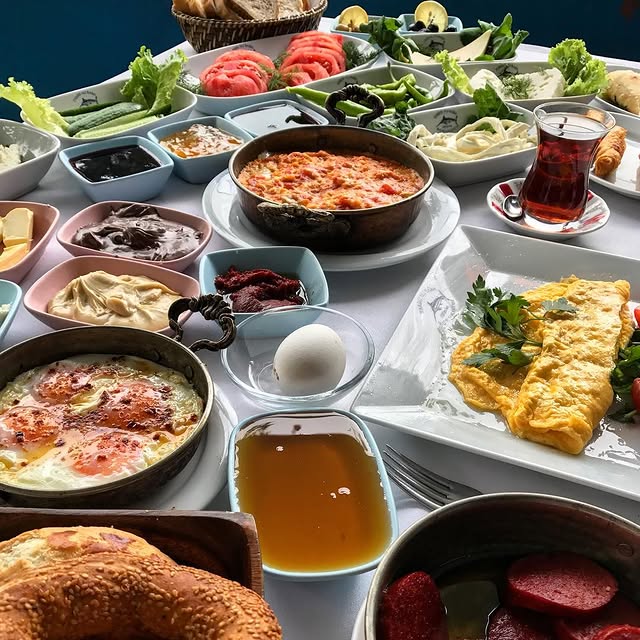
In Turkish dining culture, the meze table is not an appetizer course. It is a destination. Rakı is poured, ice is added, small plates appear in waves, and conversation slows down to match the rhythm of the water outside.
The order of arrival matters:
- Cold mezes first — octopus salad, lakerda, tarama, isli meze (smoked fish), and seasonal greens dressed with olive oil and lemon.
- Fried mezes next — calamari, hamsi, and midye tava, arriving hot enough to burn your fingertips.
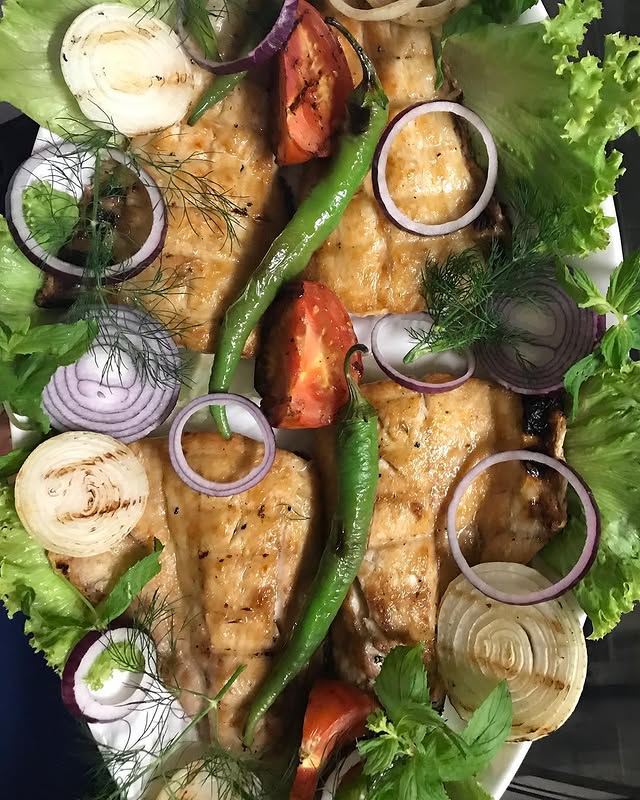
- Then the fish — grilled, pan-fried, or paper-baked, chosen by the day and the season.
If you want a deeper look at how this table is built, our guide to Turkish meze culture walks through each plate in order.
Fried Calamari (Kalamar Tava): The Sound of a Perfect Crust
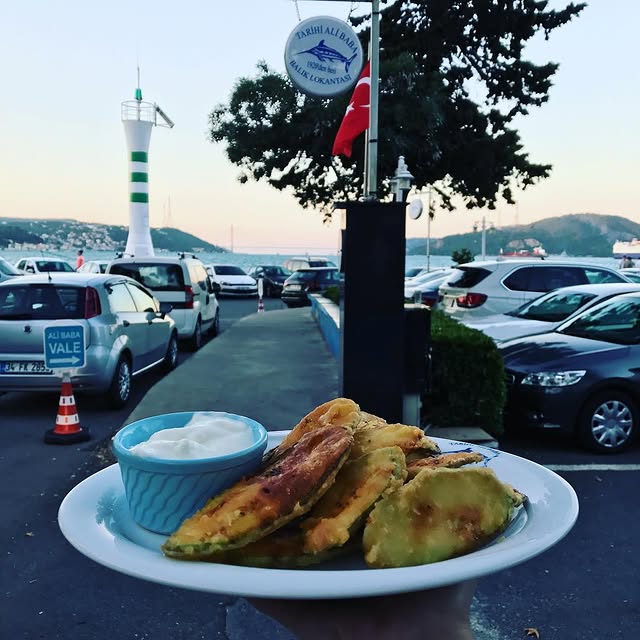
Great fried calamari announces itself before you taste it. The crust should crackle — a light, almost papery sound — and the inside should be soft, sweet, and steaming. Anything rubbery means the squid was fried too long, too cold, or too long ago.
What to look for in a proper kalamar tava:
- Fresh, not frozen squid, cleaned the same morning
- A thin flour or semolina coating — never a thick batter
- Frying oil kept at the right temperature, changed often
- Served with lemon and a light tarator or garlic-yogurt sauce on the side
At Ali Baba, the calamari is fried to order in small batches. That is the only way to guarantee the crust stays crisp on the plate instead of turning soft on the way to your table.
Octopus Salad (Ahtapot Salatası): Patience on a Plate
Octopus salad is the opposite discipline. It cannot be rushed. The octopus must be simmered slowly until the flesh turns tender but still holds its shape, then cooled and dressed simply — olive oil, lemon, red onion, capers or pickles, parsley, sometimes a scatter of tomato.
A well-made ahtapot salatası tastes clean and slightly briny, with a texture somewhere between firm and buttery. It is the plate that tells you whether the kitchen respects its ingredients, because no amount of sauce can hide badly cooked octopus.
Why Tarihi Ali Baba Balık Lokantası Is the Best Seafood Restaurant in Istanbul for Meze
Plenty of restaurants serve calamari. Very few have been serving it across four generations of the same city, through changing fashions, changing fish stocks, and a changing shoreline.
A kitchen that has not lowered its standards since 1920
Tarihi Ali Baba has been on the Bosphorus since 1920 — first as a small fishermen's stop, later as one of the most respected historic seafood restaurants in Istanbul. The fish still comes from the same waters. The mezes are still made in-house, daily. The recipes have not been "modernized," because they never needed to be.
Sea-to-table, literally
The restaurant sits in Kireçburnu, Sarıyer, on the European shore just north of the city's busiest districts — where the Bosphorus narrows and the water runs clean and cold. The catch arrives fast, and it moves fast. That proximity is the reason a plate of fried calamari here tastes like the sea rather than like a freezer.
Seasonal Freshness: When Calamari and Octopus Taste Best
Turkish seafood cooking is seasonal by instinct. Even a meze plate follows the calendar, because what you drink alongside it and what arrives after it depend on the month.
A quick season guide
- Autumn (September–November): the great months. Lüfer, palamut, and çinekop arrive, and the cold meze table is at its most generous.
- Winter (December–February): hamsi season in full swing; fried hamsi and crispy anchovy plates join the calamari.
- Spring (March–May): lighter fishes and the return of levrek and çipura; octopus salad feels almost summery.
- Summer (June–August): grilling weather, tomato-forward mezes, and long evenings with a Bosphorus breeze.
Squid and octopus are available year-round, but they eat best when the water is cold and the catch is firm. For a fuller month-by-month breakdown, see our Bosphorus fish seasons guide.
How to enjoy them properly
- Start with cold mezes and rakı, not wine — the anise and the sea salt are made for each other.
- Eat the calamari immediately, while the crust is still alive.
- Follow the octopus salad with something smoky or pickled to reset the palate.
- Never order everything at once. Let the table breathe.
What to Order: A Practical Meze Table Plan
If you are visiting for the first time, this order works beautifully for two to four people.
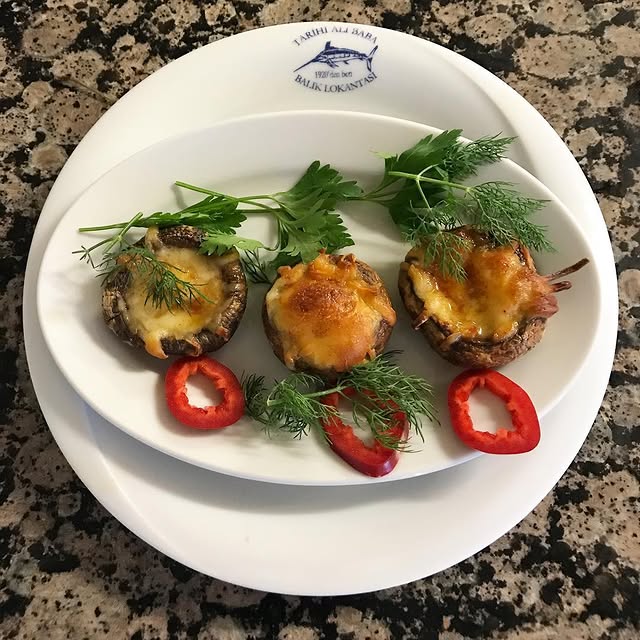
- Cold: ahtapot salatası, lakerda, tarama, isli meze, seasonal greens
- Hot: kalamar tava, hamsi tava (in season), midye tava
- Main: whatever the day's catch dictates — ask the waiter, not the menu
- To finish: a simple fruit plate or a small dessert, and Turkish coffee
Is this a seafood restaurant recommendation in Istanbul travelers can trust?
Yes — and the reason is consistency, not marketing. Ali Baba has no theatrical plating and no changing concept. It has the same view, the same grill, and the same standards it had decades ago, which is exactly what people mean when they ask for a genuine seafood restaurant recommendation in Istanbul.
For a broader look at what to eat along this coastline, our Sarıyer seafood guide is worth reading before you come.
Rakı-Balık Culture and the Bosphorus View in Kireçburnu, Sarıyer
The rakı-balık culture is not simply a pairing of drink and food. It is a rhythm: slow pours, long conversations, small plates that keep arriving, and a view that does half the work.
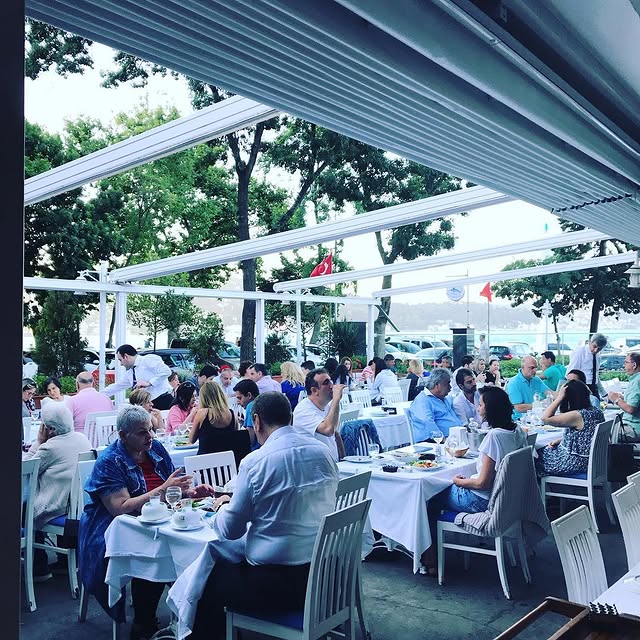
From the tables at Tarihi Ali Baba, you get the Bosphorus at its most honest — the current moving north, fishing boats returning, the lights of the opposite shore coming on at dusk. The building itself carries that texture: wooden, weathered, and unmistakably old. You can feel the history in the floorboards.
This is why our walking guide to Kireçburnu often ends where the evening begins — at a table by the window, with a plate of calamari and a glass of rakı, watching the water change colour.
Practical Answers Before You Visit
How much time should I allocate?
Plan for at least two and a half to three hours. A proper meze-and-fish dinner is not a quick meal, and the Bosphorus view rewards lingering.
What is the best time to arrive?
Early evening, just before sunset. You will catch the light on the water and get the best choice of tables.
Is it suitable for non-fish eaters?
Yes. The meze table includes vegetable dishes, cheese, and salads, and the kitchen can prepare simple grilled options.
Do I need a reservation?
In season, on weekends, and for window tables — absolutely. WhatsApp is the fastest way.
What should I drink?
Rakı, served long with ice and water. If you prefer wine, ask for a crisp white from the Aegean coast.
Reserve Your Table for a Bosphorus Evening
Some meals are eaten. Others are remembered for years. A plate of crispy fried calamari, a cool octopus salad, and the Bosphorus turning gold outside the window — this is the kind of evening that becomes a story you tell at other tables.
Reserve your table for the freshest seafood and a tradition of taste since 1920. Contact us via WhatsApp for quick reservations with a Bosphorus view.
---
🐟 Historical Ali Baba Fish Restaurant
📍 Kirecburnu, Sariyer, Istanbul
🌐 alibababaliklokantasi.com
📞 The Taste of Bosphorus Since 1920
FAQ: Fried Calamari, Octopus Salad and Bosphorus Dining
What makes Turkish fried calamari different from other versions?
Turkish kalamar tava uses a very light flour or semolina coating rather than a heavy batter, and it is fried briefly at high heat. The result is a thin, crisp crust with tender squid inside, usually served with lemon and tarator sauce.
Is octopus salad traditionally Turkish or Mediterranean?
It is Mediterranean in origin but deeply embedded in Turkish meyhane culture. The Turkish version — ahtapot salatası — is dressed simply with olive oil, lemon, red onion, and parsley, letting the octopus itself lead.
When is the best season for seafood in Istanbul?
Autumn and winter are the strongest months. From September through February, the Bosphorus yields lüfer, palamut, hamsi, and other cold-water fish. Mezes like octopus salad are excellent year-round.
Where exactly is Tarihi Ali Baba Balık Lokantası located?
In Kireçburnu, Sarıyer, on the European shore of the Bosphorus in Istanbul — a short drive north of Beşiktaş and easily reached by taxi or bus along the coastal road.
Do I need to reserve a table in advance?
Yes, especially for dinner, weekends, and window tables with a Bosphorus view. Reserving via WhatsApp is the quickest and most reliable option.
What should I order on a first visit?
Start with ahtapot salatası, tarama, lakerda, and kalamar tava. Then ask the waiter which fish is freshest that day and let the kitchen prepare it simply — grilled or pan-fried.
Is the restaurant suitable for families and groups?
Absolutely. The meze table is designed for sharing, and the atmosphere is warm and unhurried, making it a good fit for families, friends, and special occasions alike.
What is the rakı-balık tradition?
It is the Turkish ritual of pairing rakı with seafood and a long table of mezes. The drink is diluted with water and ice, sipped slowly, and always accompanied by conversation that lasts longer than the meal itself.
16.09.2026
Featured Publications
Notes on fish season, Bosphorus tables and traditional meze culture.