Contact
- Address:Sariyer Kirecburnu, Istanbul
- Hours:Every day 09:00 - 23:00
- Kitchen:Daily fresh fish and Turkish mezes
- View:Istanbul Bosphorus
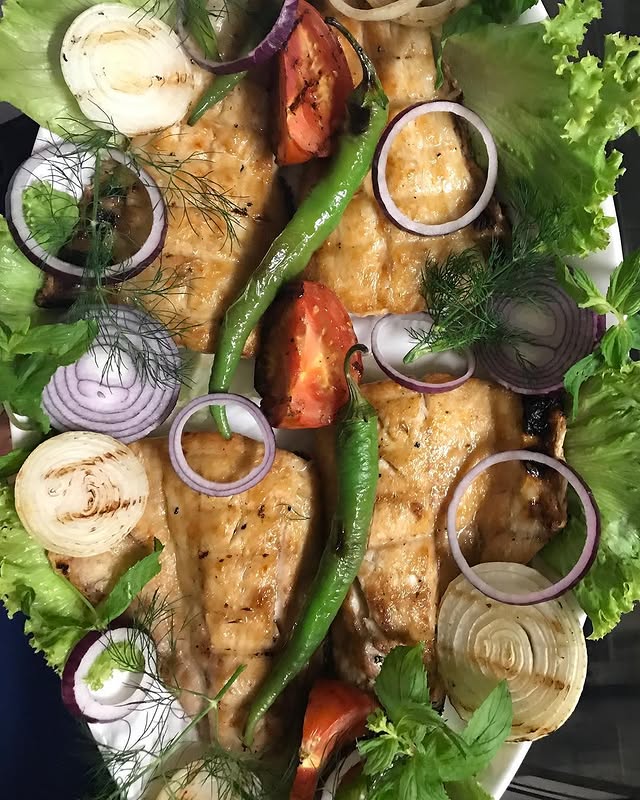
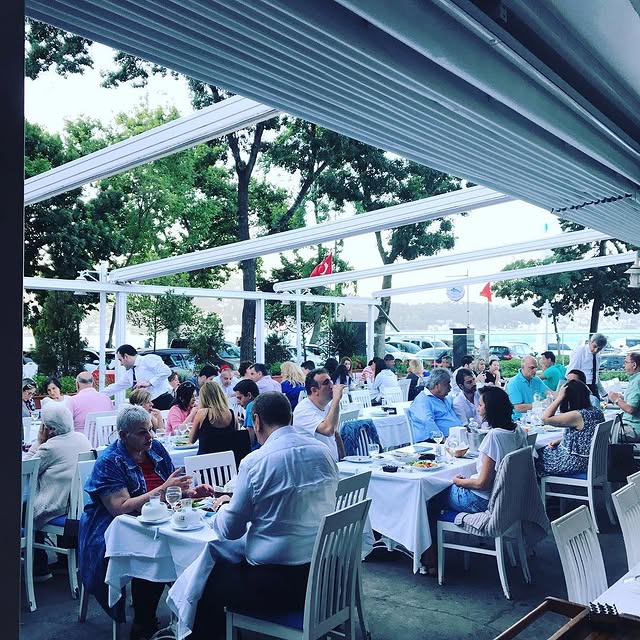
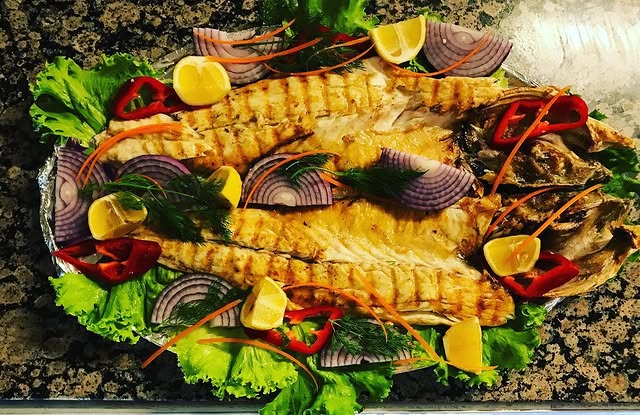
Choosing a Fish Restaurant Near Arnavutköy, Istanbul
If you have been searching for Arnavutköy'de balık lokantası arayanlara öneriler — suggestions for anyone looking for a fish restaurant in Arnavutköy — you are probably planning a seafood evening on the European shore of the Bosphorus and wondering where to begin. That is a reasonable question, because the answer is not a single address. It is a stretch of coastline, a set of expectations, and a few habits that experienced Istanbul diners rely on when they choose a table for fish.
This guide looks at what actually matters when you evaluate a seafood restaurant in this part of Istanbul, how the geography between Arnavutköy and the northern Bosphorus works, and why Tarihi Ali Baba Balık Lokantası in Kireçburnu is a natural part of that conversation.
First, a Small Clarification About Arnavutköy
Istanbul has two places called Arnavutköy, and the confusion costs people time.
- Arnavutköy, Beşiktaş — the historic Bosphorus neighbourhood with a sheltered cove, narrow streets and rows of old wooden houses. This is the Arnavutköy most people mean when they talk about a waterside dinner.
- Arnavutköy district — a separate district far out on the western edge of the city, closer to Istanbul Airport.
If your evening plan involves the Bosphorus, you are thinking of the first one. And once you are standing on that waterfront, you are already on the seafood corridor that runs north along the strait — Bebek, Rumeli Hisarı, Emirgan, Yeniköy, Tarabya, Kireçburnu, Sarıyer. A restaurant search in Arnavutköy is really a search along this whole line.
What to Look For Before You Book a Table
Rather than chasing the loudest recommendation, it helps to know which criteria consistently separate a satisfying fish dinner from a disappointing one.
Freshness and Turnover
Fresh fish is a logistics question before it is a culinary one. A kitchen that serves a steady flow of guests can buy smaller quantities more often. When you arrive, ask what came in that day, and listen to whether the answer is specific. A useful server will tell you which species are at their peak and which are simply available.
Seasonality on the Menu
Turkish seafood cooking follows the calendar closely. A menu that shifts with the season — rather than offering the same list in January and July — is usually a sign that the kitchen is buying what is genuinely good at that moment.
The Meze Table
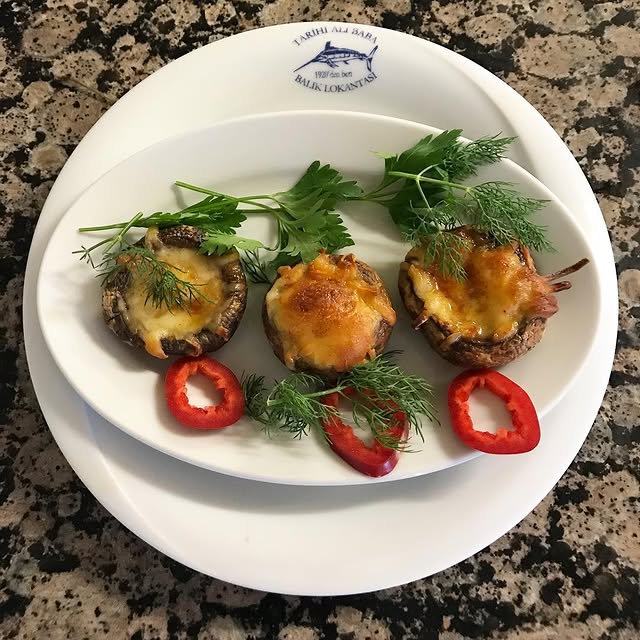
Meze is not a side dish in Turkish seafood culture; it sets the rhythm of the meal. Look for a range that balances olive-oil vegetables, cold seafood preparations, fried items and lighter greens. A table that offers both creamy and sharp, both rich and fresh, will carry you comfortably from the first rakı to the main course.
Setting and Atmosphere
On the Bosphorus, the view is part of the meal. A table near the water, a quieter room, or a dining room that does not feel rushed all change how the evening unfolds — especially if you are celebrating something or hosting guests from out of town.
Service and Reservation Convenience
A restaurant that answers quickly, confirms clearly and can advise on portion sizes removes most of the friction from a seafood dinner, particularly for groups.
Why Tarihi Ali Baba Balık Lokantası Fits This Search
Tarihi Ali Baba Balık Lokantası sits in Kireçburnu, in the Sarıyer district, on the European side of the Bosphorus. It carries a history that reaches back to 1920, which places it among the long-established seafood addresses of the strait rather than among the newer arrivals.
For anyone coming from Arnavutköy, it belongs to the same coastal route: continue north along the Bosphorus road past Tarabya, and Kireçburnu follows. Practically speaking, that means you can stay in the same neighbourhood logic you started with — water on one side, seafood kitchens on the other — and simply move a little further up the shore.
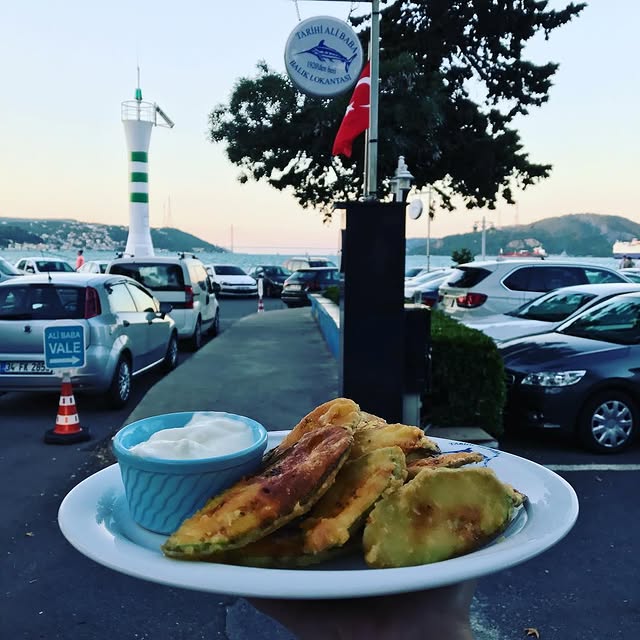
Two details matter for planning. The restaurant looks out over the Bosphorus, so the view is part of the experience. And reservations can be arranged quickly through WhatsApp, which is convenient if you are deciding on the same day or coordinating a group.
Seasonal Fish: How to Read a Turkish Seafood Menu
One of the pleasures of eating fish in Istanbul is that the "right" dish changes through the year. Broadly, the Turkish calendar works like this:
Autumn
Bonito (palamut) and bluefish (lüfer) dominate. This is the season many Istanbul residents wait for, and grilled preparations come to the front.
Winter
Anchovy (hamsi), turbot (kalkan), horse mackerel (istavrit) and whiting (mezgit) take over. Winter is when fried and pan-cooked fish feel most appropriate, and when the cold months make a warm dining room by the water especially appealing.
Spring
Red mullet (barbun), sea bass (levrek), sea bream (çipura) and squid appear more often, along with a wider range of vegetable mezes.
Summer
Lighter fish and seafood — sardines, bream, bass, shrimp and calamari — suit the long, bright evenings on the Bosphorus.
You do not need to memorise this. You only need to ask what is good that day. But knowing the pattern helps you understand why a serious seafood kitchen will not offer exactly the same menu in February and August.
Meze, Rakı and the Shape of the Meal
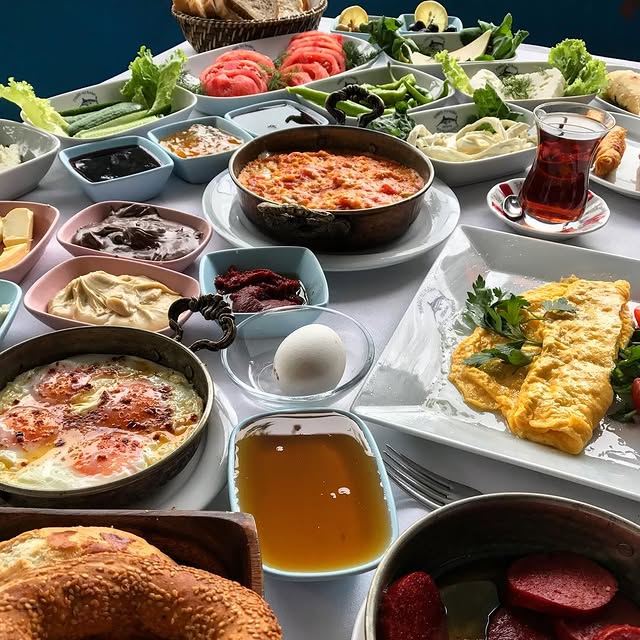
A Bosphorus seafood dinner usually has a rhythm worth respecting. It starts with meze: perhaps a yoghurt and herb preparation, a smoked or cured fish, a cold olive-oil vegetable, something fried, and greens with lemon. Rakı, if you drink it, is sipped slowly alongside, diluted with water and often served with ice on the side.
Then comes the fish, usually grilled or fried, served simply so the character of the species comes through. The meal tends to end lightly — fruit, a small dessert, maybe a coffee — rather than with anything heavy.
A few practical notes for first-timers:
- Order fewer meze than you think you need, then add.
- Ask whether fish is priced by weight or by portion before ordering, so there are no surprises.
- Share a few main courses rather than one per person if the table wants variety.
- Keep the pace slow. This is the point of the format.
Practical Planning for an Arnavutköy-to-Kireçburnu Evening
- Timing: Sunset is the most atmospheric window on the Bosphorus, and tables by the water fill fastest at that hour. An early dinner often means a calmer room.
- Weekdays vs weekends: Weekday evenings are generally easier for walk-ins and last-minute plans.
- Getting there: The coastal road connects Arnavutköy with the northern Bosphorus neighbourhoods in a continuous line, so the trip is straightforward by car or taxi.
- Reservations: For groups, celebrations or a specific table, book ahead. Messaging directly is usually the fastest way to confirm.
- What to bring: An appetite for a long meal rather than a quick one. Seafood dining on the strait is not a fast format.
A Note on "Best" Lists
Search results for fish restaurants in Istanbul are full of rankings, and they are worth treating with some caution. Taste, budget, noise level and distance all shape what "best" means for a given evening. A restaurant that suits a quiet anniversary dinner may not suit eight friends sharing meze and rakı. Use lists to build a shortlist, then judge by the criteria above: freshness, seasonality, meze quality, setting, service and how easily you can reserve.
Reserve your table for the freshest seafood and a tradition of taste since 1920. Contact us via WhatsApp for quick reservations with a Bosphorus view.
---
🐟 Historic Ali Baba Seafood Restaurant | 📍 Kireçburnu, Sarıyer, Istanbul | 🌐 alibababaliklokantasi.com | 📞 Reserve via WhatsApp
Frequently Asked Questions
Is Arnavutköy a good area for a fish dinner in Istanbul?
The Arnavutköy waterfront in Beşiktaş is one of the classic seafood settings on the European Bosphorus, thanks to its cove and old wooden houses. Many diners, however, continue north along the same shoreline toward Tarabya, Kireçburnu and Sarıyer, where the seafood tradition continues with a quieter, more residential feel.
How far is Kireçburnu from Arnavutköy?
Both sit on the European side of the Bosphorus, connected by the coastal road that runs north through Bebek, Emirgan, Yeniköy and Tarabya. It is a short, direct drive along the strait rather than a cross-city journey.
What should I order at a Bosphorus fish restaurant?
Start with a selection of meze — a mix of olive-oil vegetables, cold seafood and something fried — then move to a grilled or fried fish that is in season. Ask the staff what arrived fresh that day; that answer will usually be better than any fixed recommendation.
Which fish is in season in Istanbul?
Roughly, bonito and bluefish in autumn, anchovy and turbot in winter, red mullet and bream in spring, and lighter fish such as sardines and sea bass in summer. Exact timing shifts slightly each year, so it is always worth asking on the day.
Do I need a reservation for a seafood restaurant on the Bosphorus?
For a sunset table, a weekend evening or a group, yes — it is strongly advisable. Tarihi Ali Baba Balık Lokantası accepts quick reservations via WhatsApp, which makes same-day planning simpler.
What is rakı-balık culture?
It is the Turkish tradition of pairing rakı with seafood and a spread of meze, eaten slowly over several hours. The fish is usually kept simple, the meze provides variety, and the pace of the meal is as important as the food itself.
Is Tarihi Ali Baba Balık Lokantası suitable for a special occasion?
With its Kireçburnu location, Bosphorus view and history dating back to 1920, it suits long, unhurried dinners — anniversaries, family gatherings or an evening with visitors who want a proper Bosphorus seafood experience. Mention the occasion when you reserve so the table can be arranged accordingly.
07.10.2026
Featured Publications
Notes on fish season, Bosphorus tables and traditional meze culture.